
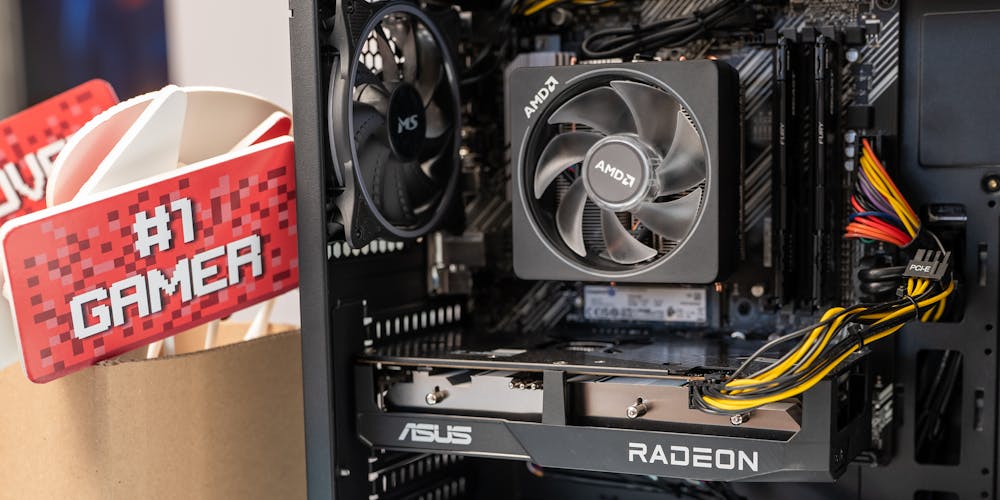
How Does Radeon RX 7900 GRE’s Unlocked OC Boost Performance?

AMD’s latest update on the Adrenalin 24.3.1 driver has ushered in a new era for the Radeon RX 7900 XT’s Golden Rabbit Edition (GRE) by unlocking unprecedented memory overclocking capabilities. The removal of past restrictions means enthusiasts can now push their GPUs to new limits, possibly enhancing gaming performance significantly. This breakthrough denotes AMD’s commitment to the overclocking community and marks a new chapter in GPU performance tuning for the Radeon RX 7900 series.

Overcoming Initial Constraints

The Radeon RX 7900 XTX GRE was released with an element of cultural uniqueness but maintained traditional limits on overclocking to ensure market segmentation. AMD’s reversal in strategy now encourages users to maximize their GPUs through software tuning. This liberation from previous constraints enables tweaks that can extend memory clocks beyond original specs, unlocking the true potential of the GPU.

Enhanced Gaming Experience

TechPowerUp’s benchmarks have shown that elevating the memory clock to 2614 MHz can yield up to a 15% increase in gaming performance for the Radeon RX 7900 XTX GRE. This is particularly beneficial for high frame rate and resolution gaming, positioning the XTX GRE as a formidable rival to the RX 7900 XT. This performance gain is accessible through a simple driver update, reflecting AMD’s commitment to value and high performance in a user-friendly package.

Explore more

Manage Your Buy Now, Pay Later Debt With These 5 Tips

The seamless clicking of a digital checkout button often triggers a Dopamine-fueled sense of accomplishment, yet the financial fallout of multiple “Pay in 4” installments frequently results in a complicated web of overlapping bi-weekly obligations. While these split-payment options offer immediate gratification and the illusion of affordability, the convenience of Buy Now, Pay Later (BNPL) can quickly mask a growing

Amazon and PayPal Launch BNPL Service in Germany and Austria

The digital landscape of European e-commerce is undergoing a significant transformation as Amazon integrates PayPal’s sophisticated payment solutions to provide German and Austrian consumers with enhanced financial flexibility during their online shopping experiences. This strategic collaboration marks a pivotal shift in how the world’s largest retailer approaches payment diversity within these specific markets, which are traditionally known for their preference

Structured Installments Are Reshaping the Credit Industry

While traditional economists once viewed installment-based purchasing as a symptom of financial distress, modern transaction data paints a far more sophisticated picture of consumer liquidity management. This shift is not merely a change in preference but a fundamental realignment of how individuals interact with their own capital. The modern borrower is no longer seeking a simple loan; they are searching

Why Do We Fail to See the Obvious at Work?

A frantic manager paces the boardroom, pointing at a red-lined spreadsheet while a talented analyst stares blankly at the screen, genuinely unable to see the massive mathematical discrepancy that should be shouting from the cells. This specific moment of friction is a daily occurrence in modern offices, leading to missed deadlines, strained relationships, and costly errors. While the manager sees

Why Is the Human Brain Wired to Fight Workplace Change?

The rapid acceleration of corporate pivots, combined with the integration of generative intelligence, has pushed the human nervous system into a state of chronic overload that the biological brain was never designed to handle. Organizational change has accelerated by a staggering 183% in just four years, yet the human brain remains hardwired with the same biological survival mechanisms as ancient