
How Does Radeon RX 7900 GRE’s Unlocked OC Boost Performance?

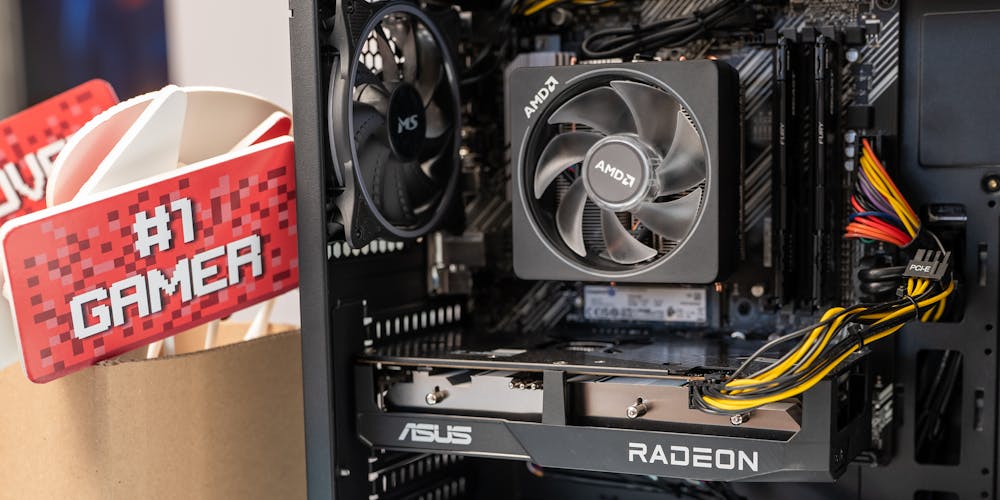
AMD’s latest update on the Adrenalin 24.3.1 driver has ushered in a new era for the Radeon RX 7900 XT’s Golden Rabbit Edition (GRE) by unlocking unprecedented memory overclocking capabilities. The removal of past restrictions means enthusiasts can now push their GPUs to new limits, possibly enhancing gaming performance significantly. This breakthrough denotes AMD’s commitment to the overclocking community and marks a new chapter in GPU performance tuning for the Radeon RX 7900 series.

Overcoming Initial Constraints

The Radeon RX 7900 XTX GRE was released with an element of cultural uniqueness but maintained traditional limits on overclocking to ensure market segmentation. AMD’s reversal in strategy now encourages users to maximize their GPUs through software tuning. This liberation from previous constraints enables tweaks that can extend memory clocks beyond original specs, unlocking the true potential of the GPU.

Enhanced Gaming Experience

TechPowerUp’s benchmarks have shown that elevating the memory clock to 2614 MHz can yield up to a 15% increase in gaming performance for the Radeon RX 7900 XTX GRE. This is particularly beneficial for high frame rate and resolution gaming, positioning the XTX GRE as a formidable rival to the RX 7900 XT. This performance gain is accessible through a simple driver update, reflecting AMD’s commitment to value and high performance in a user-friendly package.

Explore more

Hotels Must Rethink Recruitment to Attract Top Talent

With decades of experience guiding organizations through technological and cultural transformations, HRTech expert Ling-Yi Tsai has become a vital voice in the conversation around modern talent strategy. Specializing in the integration of analytics and technology across the entire employee lifecycle, she offers a sharp, data-driven perspective on why the hospitality industry’s traditional recruitment models are failing and what it takes

Trend Analysis: AI Disruption in Hiring

In a profound paradox of the modern era, the very artificial intelligence designed to connect and streamline our world is now systematically eroding the foundational trust of the hiring process. The advent of powerful generative AI has rendered traditional application materials, such as resumes and cover letters, into increasingly unreliable artifacts, compelling a fundamental and costly overhaul of recruitment methodologies.

Is AI Sparking a Hiring Race to the Bottom?

Submitting over 900 job applications only to face a wall of algorithmic silence has become an unsettlingly common narrative in the modern professional’s quest for employment. This staggering volume, once a sign of extreme dedication, now highlights a fundamental shift in the hiring landscape. The proliferation of Artificial Intelligence in recruitment, designed to streamline and simplify the process, has instead

Is Intel About to Reclaim the Laptop Crown?

A recently surfaced benchmark report has sent tremors through the tech industry, suggesting the long-established narrative of AMD’s mobile CPU dominance might be on the verge of a dramatic rewrite. For several product generations, the market has followed a predictable script: AMD’s Ryzen processors set the bar for performance and efficiency, while Intel worked diligently to close the gap. Now,

Trend Analysis: Hybrid Chiplet Processors

The long-reigning era of the monolithic chip, where a processor’s entire identity was etched into a single piece of silicon, is definitively drawing to a close, making way for a future built on modular, interconnected components. This fundamental shift toward hybrid chiplet technology represents more than just a new design philosophy; it is the industry’s strategic answer to the slowing