

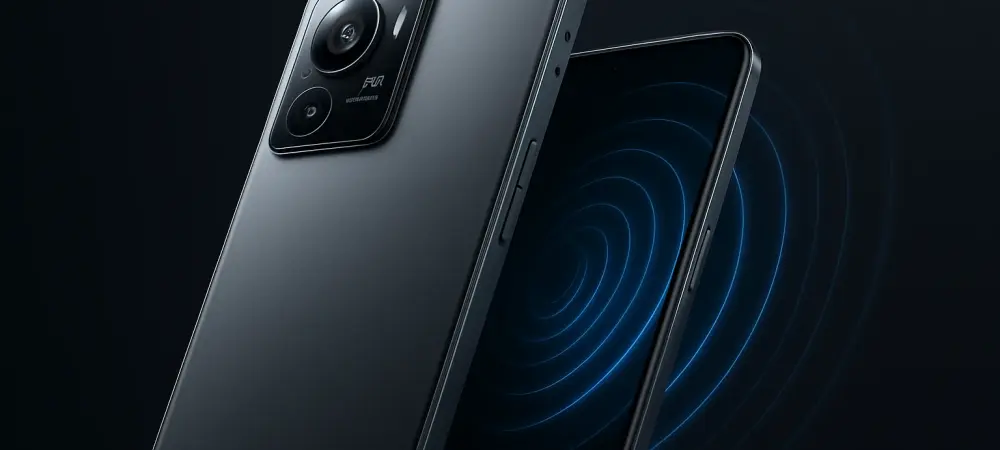
I’m thrilled to sit down with Dominic Jainy, a seasoned IT professional whose deep knowledge of cutting-edge technologies like artificial intelligence, machine learning, and blockchain gives him a unique perspective on the latest innovations in consumer electronics. Today, we’re diving into the exciting world of smartphones with a focus on the newly launched Poco F8 Ultra and Pro models. Our conversation explores groundbreaking audio features, powerhouse performance specs, strategic design choices, and the challenges of bringing such advanced devices to global markets. Dominic offers insider insights into how these elements shape user experiences and what they signal for the future of mobile tech.
What makes the Poco F8 Ultra’s built-in Bose-tuned subwoofer such a game-changer for smartphone audio, and how did this collaboration come to life?
I’m really excited to talk about this because integrating a subwoofer into a smartphone like the Poco F8 Ultra is nothing short of revolutionary. This isn’t just about louder sound; it’s about delivering a 2.1-channel audio experience with deeper bass that you can feel in your chest, which is unheard of in most handsets. From what I understand, the collaboration with Bose was driven by a shared vision to push boundaries in mobile audio—Poco wanted to stand out, and Bose brought their expertise in sound engineering to make it happen. I’ve heard that the biggest challenge was fitting this tech into a slim device without compromising on sound quality or battery space, requiring countless iterations of design and tuning. Imagine listening to your favorite track on a crowded train and feeling the bassline vibrate through the phone—it’s immersive, though I can already picture some annoyed commuters! For users, this could transform everyday scenarios like watching movies or gaming, making the phone a legitimate mini-speaker.
How did the team behind the Poco F8 Ultra manage to pack a massive 6,500mAh battery into a sleek design, and what does this mean for people with demanding lifestyles?
The 6,500mAh battery in the Poco F8 Ultra is a bold statement, and it reflects a clear priority to cater to power users who can’t afford to be tethered to a charger. The inspiration likely came from the growing demand for devices that can keep up with heavy multitasking, gaming, and streaming—think of users who are on the go from dawn to dusk. Balancing this capacity with a sleek form factor was no small feat; engineers had to optimize every millimeter, using advanced battery tech and rethinking internal layouts to avoid adding bulk. I’ve seen similar projects where teams spend months testing heat dissipation and weight distribution just to shave off a fraction of a millimeter. For someone like a freelancer hopping between meetings or a gamer grinding through long sessions, this battery—paired with 100W wired and 50W wireless charging—means freedom from power anxiety. It’s the kind of feature that doesn’t just impress on paper but genuinely changes how you live with your device.
Can you walk us through the performance leap offered by the Snapdragon 8 Elite Gen 5 chipset in the Poco F8 Ultra, especially for tasks like gaming and multitasking?
The Snapdragon 8 Elite Gen 5 chipset is a beast, and it’s a significant jump from previous generations in terms of raw power and efficiency. Compared to earlier chips, you’re looking at enhanced CPU and GPU performance, better AI processing for smoother app interactions, and improved power management that extends battery life even under heavy loads. For gaming, this means buttery-smooth frame rates on demanding titles with high graphics settings—imagine playing a battle royale game with zero lag, every swipe and tap feeling instant. Multitasking is equally impressive; you can have multiple apps open, like streaming a video while editing a document, without a hint of slowdown. I’ve heard from early testers that the speed is almost addictive—once you experience this level of responsiveness, it’s hard to go back to anything less. It’s a chipset that doesn’t just keep up with today’s demands but anticipates tomorrow’s.
The Poco F8 Ultra’s triple 50MP camera setup, especially the 5x optical zoom, seems tailored for photography enthusiasts. What drove this configuration, and in what situations does it really shine?
The decision to go with a triple 50MP setup on the Poco F8 Ultra, including that 5x optical zoom, was likely about striking a balance between versatility and excellence in a crowded market. Poco seems to have targeted users who want flagship-level photography without the flagship price tag, focusing on high-resolution sensors to capture detail in varied conditions. The 5x zoom is a standout—think of being at a concert and zooming in on the stage to snap a crystal-clear shot of the artist, or capturing wildlife from a distance without disturbing the scene. It’s those real-world moments where you don’t want to lose quality that this feature excels. Fine-tuning image quality probably involved rigorous testing of algorithms for noise reduction and color accuracy, often under challenging lighting, to ensure every shot feels vibrant and true-to-life. I can imagine the satisfaction of framing a perfect shot and knowing the hardware won’t let you down—it’s empowering for casual and serious photographers alike.
What’s the reasoning behind differentiating the audio setups between the Poco F8 Ultra and Pro, and how does the Bose tuning process shape the sound profile for each?
Differentiating the audio between the Poco F8 Ultra and Pro, with the Ultra getting the subwoofer and the Pro sticking to dual stereo speakers, is a strategic move to create distinct value propositions within the same lineup. The Ultra targets users who crave a premium, almost theatrical audio experience, while the Pro still offers high-quality sound for a slightly broader, cost-conscious audience. The tuning process with Bose likely involved deep collaboration—engineers would work on customizing sound signatures, adjusting frequencies to emphasize clarity in vocals for the Pro and adding that visceral bass punch for the Ultra. I picture late-night sessions in sound labs, listening to test tracks over and over to get the balance just right. Users will notice the difference immediately; the Ultra feels like a personal concert with rumbling lows, while the Pro still delivers crisp, rich stereo sound for podcasts or movies. It’s about giving options without diluting the brand’s focus on audio innovation.
With the Poco F8 Ultra priced at $729 for the base model and discounted to £549 in the UK, how does this reflect Poco’s approach to balancing high-end features with affordability?
Pricing the Poco F8 Ultra at $729 for 12GB RAM and 256GB storage shows Poco’s commitment to delivering flagship-grade specs at a mid-range price point, which has always been their sweet spot. They’ve packed in features like the Bose subwoofer, a massive battery, and a top-tier chipset, and yet they’ve kept costs accessible by optimizing manufacturing and likely taking thinner margins upfront. The value proposition is clear: you’re getting near-premium performance for hundreds less than competitors, and the temporary UK discount to £549 is a clever tactic to drive early adoption and build buzz in key markets. I remember when brands used similar strategies, slashing prices briefly to get devices into hands and let word-of-mouth do the rest—it’s a gamble that often pays off. For buyers, it feels like stealing a deal, especially when you hold a device this powerful and realize it didn’t break the bank.
Given the lack of a confirmed US release date for the Poco F8 Ultra and Pro, what might be causing these delays, and how can anticipation be built among American consumers in the meantime?
The delay in the US rollout for the Poco F8 Ultra and Pro likely stems from a mix of regulatory hurdles, carrier certifications, and market-specific logistics that can slow down launches in such a competitive space. The US market has strict standards for network compatibility and safety, which can take months to navigate, especially for a sub-brand like Poco that might not have the same established channels as bigger players. There’s also the challenge of aligning marketing and inventory with peak buying seasons to maximize impact. I recall similar delays with other brands where the wait frustrated fans, but the eventual launch felt like a bigger event because of it. To build anticipation, Poco could lean into teaser campaigns on social media, showcasing features like the subwoofer or zoom camera through user-generated content or influencer previews. Engaging with tech communities online to drop hints about the timeline could also keep the excitement alive without promising too much too soon.
What’s your forecast for the future of smartphone audio innovations, especially after breakthroughs like the Poco F8 Ultra’s subwoofer?
I’m genuinely thrilled about where smartphone audio is heading after seeing something as bold as the Poco F8 Ultra’s subwoofer. I predict we’ll see more brands experimenting with hybrid audio systems that blend traditional speakers with tactile bass elements, creating a more immersive experience without external accessories. There’s also potential for AI-driven sound personalization, where your phone learns your listening habits and adjusts output in real-time—imagine walking into a noisy café and the device automatically boosts dialogue clarity in your podcast. The challenge will be balancing these advancements with privacy concerns and physical design constraints, but I’ve got a gut feeling we’re on the cusp of phones becoming true audio powerhouses. We might even see partnerships with other audio giants, pushing the envelope further. It’s an exciting space, and I can’t wait to hear—literally—what comes next!