
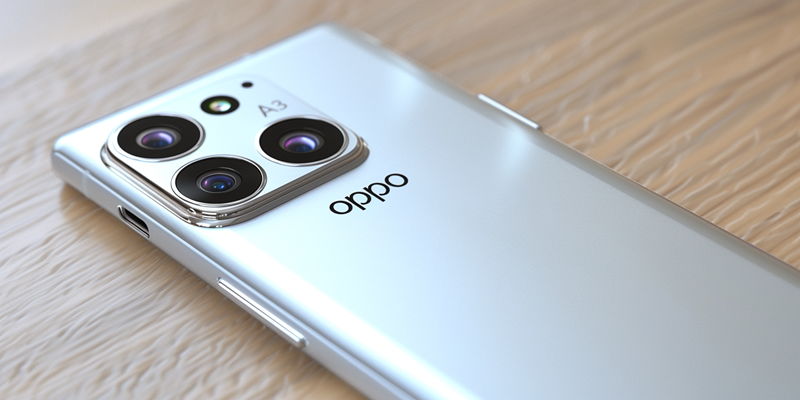
How Does Oppo A3 Pro Redefine Midrange Smartphones?

In a landscape where the lines between luxury and affordability in smartphone design increasingly blur, the OPPO A3 Pro stands as a testament to this evolution. Brands like OPPO are challenging the norm, offering devices that pack features reminiscent of high-tier phones but at a fraction of the cost. Here’s how the A3 Pro is revolutionizing the midrange sector.

Unmatched Display and Design

Welcoming you to the OPPO A3 Pro is a stunning 6.7-inch curved OLED screen. Its FHD+ resolution paired with a smooth 120Hz refresh rate guarantees an immersive experience whether you’re a habitual gamer, an avid streamer, or just scrolling through your favorite feeds. The latest Corning Gorilla Glass, Victus 2, protects this visual treat, offering the best in durability.

Performance at Its Core

At the heart of the OPPO A3 Pro lies the formidable Dimensity 7050 chipset. This powerhouse ensures that your phone keeps up with you, no matter what the task. It’s supported by multiple RAM and storage options, so you can choose the setup that fits your lifestyle best. And with ColorOS 14, built on Android 14, you get an interface that’s not only sleek but also smart.

Advanced Camera System

For those with an eye for photography, the A3 Pro’s camera system won’t disappoint. The 64MP main camera captures life’s moments in vivid detail, while a 2MP portrait lens ensures that your subject is always the star of the show. It’s not just function that’s been taken into account, but form as well, with a design aesthetic that screams premium, including a special edition with a vegan leather finish that’s as good to touch as it is to look at.

Power That Keeps Up with You

Battery worries are a thing of the past with the OPPO A3 Pro’s generous 5,000mAh battery, complemented by 67W fast charging capability. Power up quickly and spend more time doing what you love—from dawn till dusk.

OPPO’s strategic pricing of the A3 Pro allows more people to experience these flagship-like features without burning a hole in their wallets. With the A3 Pro, OPPO isn’t just redefining the midrange smartphone—it’s creating a whole new category of smart devices that deliver high-end experiences accessible to all.

Explore more

How Did Zoom Use AI to Boost Customer Satisfaction to 80%?

When the world shifted to a screen-first existence, a simple video call became the lifeline of global commerce, education, and human connection, yet the massive surge in users nearly broke the engines of support that kept it running. While most tech giants watched their customer satisfaction scores plummet under the weight of unprecedented demand, Zoom executed a rare maneuver, lifting

How is Customer Experience Evolving in 2026?

Today, Customer Experience (CX) functions as the definitive business capability that dictates market perception, revenue sustainability, and long-term loyalty. Organizations are no longer evaluated solely on what they sell, but on how they make the customer feel throughout the entire lifecycle of their relationship. This fundamental shift has moved CX from the periphery of customer support to the very core

How HR Teams Can Combat Rising Recruitment Fraud

Modern job seekers are navigating a digital minefield where sophisticated imposters use the prestige of established brands to execute complex financial and identity theft schemes. As hiring surges become more frequent, these deceptive actors exploit the enthusiasm of candidates by offering flexible work and accelerated timelines that seem too good to be true. This phenomenon does not merely threaten individuals;

Trend Analysis: Skills-Based Hiring in Canada

The long-standing reliance on university degrees as a universal proxy for competence is rapidly losing its grip on the Canadian corporate landscape as organizations prioritize what people can actually do over where they studied. This shift signals the definitive end of the degree era, a period where formal credentials served as a convenient but often flawed filter for talent acquisition.

Is the Four-Year Degree Still the Key to Career Success?

The modern professional landscape is undergoing a profound transformation as the traditional four-year degree loses its status as the ultimate gatekeeper for white-collar employment. For the better part of a century, the degree functioned as a convenient screening mechanism for recruiters, signaling that a candidate possessed the discipline, baseline intelligence, and social capital necessary to succeed in a corporate environment.