

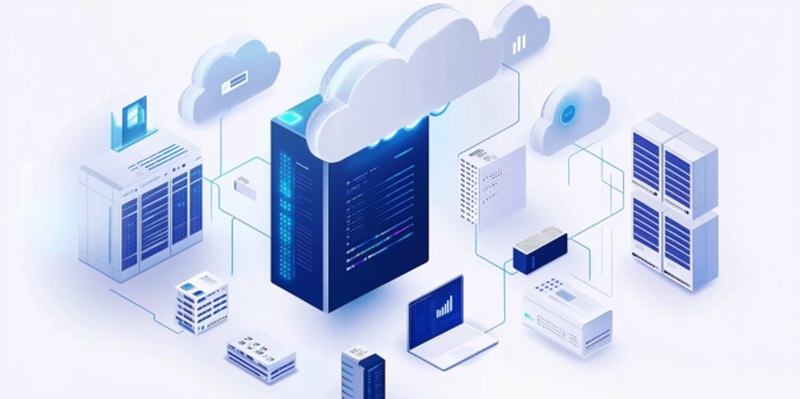
Fortinet has revolutionized web application security and performance management with the introduction of FortiAppSec Cloud, a sophisticated cloud-based platform equipped to handle the increasing demands of securing web applications and API connectivity within multi-cloud environments. With organizations relying heavily on web applications for their operations, the need for a streamlined, comprehensive security solution has become paramount. FortiAppSec Cloud is designed to meet these needs by consolidating security and performance management into a single platform, which provides advanced features like API security, enhanced bot defense, and global server load balancing. This unified console approach improves operational efficiency and offers robust network protection for businesses operating in diverse cloud environments.
Streamlined Security Management Across Multi-Cloud Environments
One of the key challenges modern businesses face is managing security across multiple cloud platforms, each with its unique set of vulnerabilities and security protocols. With FortiAppSec Cloud, Fortinet addresses this by offering a unified platform that simplifies the complexity of securing web applications across various cloud environments. This platform is particularly advantageous for companies managing a hybrid cloud setup, as it enables them to integrate their security measures without compromising control and supervision. Vincent Hwang, Vice President of Cloud Security at Fortinet, underscored the importance of this unified approach, noting that FortiAppSec Cloud leverages AI-powered tools to reduce both risk and cost, allowing organizations to focus on their core activities with greater peace of mind.
The platform’s advanced features, such as API security and global server load balancing, provide an added layer of protection and efficiency, ensuring that the applications remain secure and perform optimally. Global server load balancing intelligently routes traffic, ensuring the best user experience and seamless failover in case of server disruptions. This not only enhances performance but also ensures that users experience minimal downtime, which is critical for maintaining business continuity. By consolidating these features into a single platform, FortiAppSec Cloud eliminates the need for multiple, disjointed security solutions, thus simplifying management and reducing overall operational costs.
Advanced Threat Defense and Real-Time Analytics
In today’s digital world, advanced threats are more common, requiring sophisticated defense mechanisms that can detect and counter risks in real-time. FortiAppSec Cloud moves the needle forward by using machine learning and behavioral analysis for advanced bot defense. These technologies enable the platform to spot and thwart various malicious activities, such as account takeovers, data theft, and service disruptions, effectively safeguarding web applications from potential harm. The AI engine that drives FortiAppSec Cloud’s security tools is crucial to its success, allowing for accurate threat detection and prevention.
Real-time threat intelligence from FortiGuard Labs keeps the platform updated on the latest threats, helping to reduce false positives and improve response times. This is key in an era where cyberattack methods are constantly evolving. Enhanced threat analytics give organizations contextual insights, allowing them to prioritize and tackle security issues more effectively. This reduction in manual processes helps combat alert fatigue among security teams by providing actionable intelligence. By integrating these advanced features within the Fortinet Security Fabric, a unified security strategy is achieved across multiple cloud environments, offering robust protection against increasingly sophisticated web application threats.