

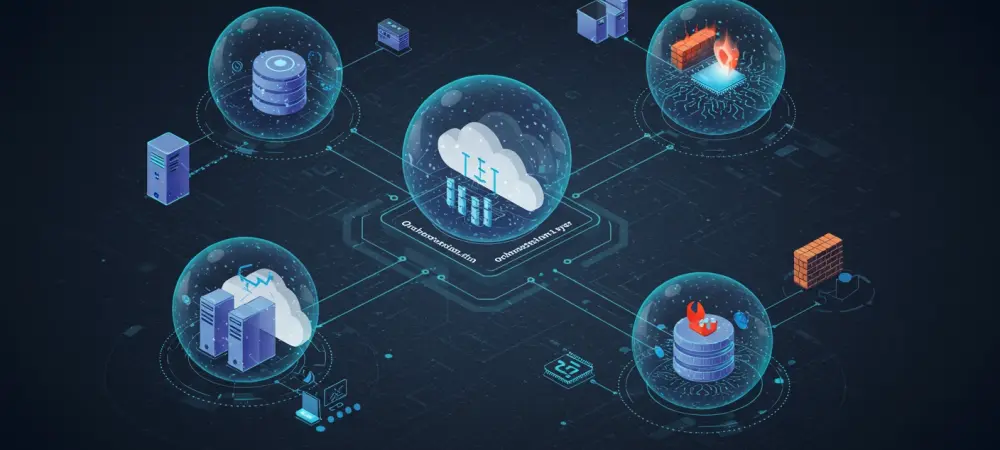
In an era where data drives decision-making, enterprises grapple with the daunting challenge of managing fragmented infrastructures across multiple cloud environments, a hurdle that often stifles the potential of artificial intelligence initiatives. Cloudera, a prominent player in data management and analytics, has taken a significant step to address this issue by acquiring Taikun, a company renowned for its expertise in Kubernetes and cloud infrastructure management. This strategic move is poised to enhance Cloudera’s capabilities in delivering seamless data and AI solutions across diverse setups, from public clouds to on-premise data centers and even highly regulated environments. By integrating Taikun’s technology, Cloudera aims to simplify the complexities of multi-cloud operations, ensuring that businesses can harness their data effectively regardless of where it resides. This development marks a pivotal moment in the industry, promising to bridge gaps in operational efficiency and flexibility for enterprise IT teams navigating the intricate landscape of hybrid systems.
Strengthening Multi-Cloud Operations
The acquisition of Taikun by Cloudera brings a transformative edge to the realm of multi-cloud management, addressing a critical pain point for enterprises struggling with fragmented data and application deployment. Industry research, such as insights from Gartner, indicates that over half of organizations may fail to achieve their multi-cloud objectives by the end of this decade due to challenges in connecting diverse cloud providers. Taikun’s container-native platform, now integrated into Cloudera’s ecosystem, offers a unified control plane that streamlines deployment and operations across varied environments. This means businesses can run data and AI workloads seamlessly, whether in public clouds, hybrid setups, or isolated systems like GovCloud. The result is a consistent cloud-like experience that minimizes performance trade-offs and empowers IT teams to manage infrastructure without being constrained by location or regulatory demands, ultimately fostering greater agility in an increasingly complex digital landscape.
Beyond simplifying deployment, the integration of Taikun’s technology into Cloudera’s platform introduces enhanced operational efficiencies that are crucial for enterprises aiming to scale their AI capabilities. The combined solution supports zero-downtime upgrades and optimized resource allocation, which directly translate to reduced operational costs and improved performance for customers. This is particularly vital in regulated environments where downtime or inefficiencies can have significant repercussions. Additionally, the platform’s flexibility allows integration with a broad array of tools and databases, including those from third-party providers, ensuring long-term adaptability to evolving business needs. By tackling infrastructure complexity head-on, Cloudera positions itself to help organizations unlock faster insights and enable real-time decision-making, a necessity in today’s fast-paced market where delays in data processing can mean missed opportunities or competitive disadvantages.
Strategic Alignment and Industry Impact
Cloudera’s acquisition of Taikun aligns seamlessly with its broader mission to expand the reach and adaptability of its data and AI solutions, marking a strategic leap in addressing enterprise demands. This move complements a series of recent acquisitions aimed at bolstering Cloudera’s offerings, reflecting a consistent focus on building a robust and versatile platform. Taikun’s technology adds a fully integrated compute layer to Cloudera’s stack, enhancing its ability to support diverse workloads across multiple environments without compromising on efficiency. This strategic alignment not only strengthens Cloudera’s technical prowess but also reinforces its commitment to providing customers with greater control over where and how they manage their data and AI initiatives. The emphasis on versatility ensures that businesses can adapt to future challenges, maintaining a competitive edge in a landscape where technological demands are constantly shifting.
From an industry perspective, this acquisition resonates with a pressing need to simplify multi-cloud operations, a priority echoed by analysts and thought leaders. Fragmented data and application management have long hindered organizations’ ability to fully leverage AI and analytics, often resulting in escalated costs and suboptimal workload placement. The integration of Taikun’s platform is seen as a game-changer, enabling businesses to run AI and analytics from cloud to edge, thus accelerating insights and fostering smarter responses in real time. This development aligns with global trends in data-driven decision-making, particularly in regions with diverse infrastructure challenges. By offering a solution that bridges these gaps, Cloudera not only enhances its market position but also sets a benchmark for how technology providers can address the intricacies of multi-cloud environments, paving the way for broader adoption of advanced AI solutions across industries.
Leadership Insights and Regional Expansion
Leadership from both Cloudera and Taikun has underscored the transformative potential of this acquisition, highlighting its role in removing operational barriers for enterprise customers. Charles Sansbury, CEO of Cloudera, emphasized that the integration of Taikun’s platform enables actionable insights across all business areas by simplifying complex infrastructure challenges. Similarly, Adam Skotnicky, former CEO of Taikun, pointed to the seamless delivery of services and applications in diverse environments as a cornerstone benefit of this collaboration. These perspectives reflect a shared vision of empowering organizations to navigate multi-cloud setups with ease, ensuring that data and AI workloads can be deployed effectively regardless of location or regulatory constraints. Such alignment at the executive level signals a strong foundation for the successful integration of technologies, promising enhanced value for customers seeking to optimize their data strategies.
Further amplifying the impact of this acquisition, Cloudera’s commitment to regional growth is evident through the establishment of a new development hub in the Czech Republic, where Taikun is based. This move not only strengthens Cloudera’s presence in the European market but also expands its engineering and support capabilities, ensuring closer collaboration with regional customers and partners. The focus on localized innovation is a strategic step to address specific market needs, particularly in areas where regulatory and infrastructure diversity pose unique challenges. By investing in regional talent and resources, Cloudera demonstrates a forward-thinking approach to global expansion, positioning itself to better serve enterprises across different geographies. This regional emphasis, combined with technological advancements, underscores the comprehensive nature of the acquisition’s impact on both operational and strategic fronts.
Reflecting on a Unified Future
Looking back, Cloudera’s acquisition of Taikun stood as a defining moment in the journey toward seamless multi-cloud AI management, effectively addressing the persistent challenge of infrastructure fragmentation. The integration of Taikun’s innovative platform into Cloudera’s ecosystem marked a significant stride in delivering operational simplicity and flexibility to enterprises worldwide. Moving forward, businesses were encouraged to explore how such unified platforms could transform their data strategies, focusing on adopting solutions that prioritize adaptability across diverse environments. Industry stakeholders were also prompted to consider partnerships and integrations that further streamline multi-cloud operations, ensuring that AI initiatives could thrive without the burden of complex infrastructure management. This strategic step by Cloudera not only reshaped its offerings but also set a precedent for future innovations, urging companies to rethink how they leverage data and AI in an interconnected, multi-cloud world.