

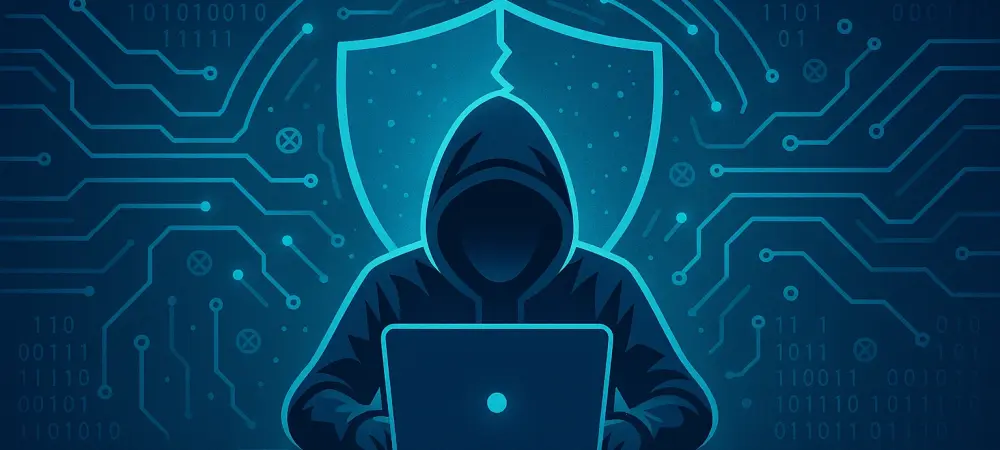
In an era where digital threats loom larger than ever, a staggering statistic emerges: 95% of data breaches in recent years stem from human error. This sobering reality unveils a critical truth—cybersecurity isn’t just about firewalls or algorithms; it’s deeply tied to human behavior and trust. Every click, every decision, and every policy shapes the defenses against an invisible yet relentless enemy. This article aims to unravel the intricate dance between trust, technology, and human factors in forging cyber resilience. Readers will find answers to pressing questions about vulnerabilities, emerging threats, and strategic solutions, gaining insights into how these elements intertwine to protect both individuals and nations in a hyper-connected world.
Key Questions on Cyber Resilience
What Makes Human Error the Biggest Cybersecurity Threat?
Human error stands as the Achilles’ heel of even the most sophisticated cybersecurity systems. Whether it’s an employee falling for a phishing scam or a misconfigured server left vulnerable, these mistakes often open doors to devastating breaches. The sheer scale of this issue cannot be overstated—recent studies show that a majority of cyber incidents are linked to simple lapses in judgment or awareness. This isn’t merely a technical glitch; it’s a human challenge that demands attention beyond software patches.
Addressing this vulnerability requires more than just training—it calls for a cultural shift. Organizations must foster environments where vigilance becomes second nature, integrating regular simulations and education to sharpen decision-making. For instance, mock phishing exercises can reveal weak spots in employee awareness, turning potential liabilities into strengths. Data from security reports reinforces this approach, highlighting that companies with consistent training programs see a significant drop in incident rates. The path forward lies in empowering people as the first line of defense, not as the weakest link.
Why Is Trust Considered a Strategic Asset in Cybersecurity?
Trust isn’t just a feel-good concept; it’s a vital pillar of cyber resilience that extends across individuals, organizations, and governments. When trust erodes—whether between agencies, contractors, or the public—adversaries gain a foothold to exploit divisions. This dynamic makes trust a strategic asset, as essential to national security as physical infrastructure. Without it, even robust systems falter under suspicion and misalignment.
Moreover, embedding trust into operational frameworks means more than just securing data; it’s about ensuring confidence in every interaction. Leaders must prioritize transparency and accountability to maintain this delicate balance. A practical example lies in government mandates that enforce strict data-sharing protocols among agencies, ensuring reliability without compromising security. When trust is treated as a deliberate component of strategy, it transforms from an abstract ideal into a measurable shield against digital threats.
How Can Technology and Human Judgment Work Together?
Technology offers unparalleled tools for cybersecurity, from AI-driven threat detection to automated responses. Yet, over-reliance on these systems without human oversight risks creating blind spots. Public trust can wane if accountability isn’t clear—imagine an algorithm wrongly flagging legitimate users without explanation. The challenge lies in striking a balance where machine precision complements human discernment, rather than replacing it.
This synergy is evident in systems that use behavioral analytics to flag unusual activity while relying on trained professionals to interpret context. Such integration ensures that technology amplifies human strengths instead of obscuring them. Real-world applications, like financial institutions using AI to detect fraud alongside human auditors, show how this partnership reduces errors and builds resilience. Ultimately, the fusion of these forces creates a defense mechanism greater than the sum of its parts.
What Are the Emerging Threats from AI and Deepfakes?
As AI technology advances, so too do the threats it enables, with deepfakes emerging as a particularly insidious weapon. These hyper-realistic fabrications can destabilize communities, incite cybercrime, and even undermine democratic processes by spreading disinformation at an unprecedented scale. The accessibility of such tools to malicious actors poses a challenge that current governance structures are ill-equipped to handle.
Countering this menace requires urgent innovation in both policy and technology. Detection algorithms are being developed to spot subtle inconsistencies in deepfake content, but adversaries evolve just as quickly. Beyond technical fixes, public education on media literacy becomes crucial to mitigate the societal impact. Experts warn that without comprehensive responses, these threats could erode trust in digital interactions altogether. Proactive measures, therefore, aren’t just advisable—they’re imperative for safeguarding the future.
How Does Leadership Shape Cyber Resilience?
Leadership plays a pivotal role in elevating cybersecurity from a mere compliance checkbox to a national defense priority. When executives and policymakers treat cyber judgment as a core element of strategy, it sets a tone that permeates institutions. This top-down commitment ensures that resources, training, and policies align toward a unified goal of resilience against digital adversaries.
In contrast, a lack of leadership can leave organizations fragmented and vulnerable. Consider how government initiatives mandating Zero Trust architecture demonstrate a commitment to closing security gaps through rigorous asset management and training investments. Such examples highlight that strong leadership isn’t just about issuing directives—it’s about embodying disciplined conduct that inspires trust and action at every level. Without this, even the best tools risk becoming hollow defenses.
Summary of Key Insights
This exploration into cyber resilience reveals a multifaceted landscape where human error, trust, and technology intersect with profound implications. Each question addressed underscores a critical takeaway: human lapses remain the primary vulnerability, trust serves as strategic infrastructure, and technology must be paired with judgment to be effective. Additionally, the looming threats of AI and deepfakes demand immediate governance, while leadership emerges as the linchpin in prioritizing cybersecurity on a national scale.
These insights collectively point to a broader truth—cyber resilience isn’t a static achievement but a dynamic process. It requires constant adaptation, from training individuals to crafting policies that keep pace with innovation. For those eager to dive deeper, resources from cybersecurity think tanks and government reports on Zero Trust frameworks offer valuable starting points for further exploration. The journey to resilience is ongoing, and every step taken strengthens the foundation.
Final Thoughts
Looking back, the discussions illuminated a path through the complex terrain of cyber resilience, weaving together threads of trust, human action, and technological prowess. Each insight shared carved out a clearer understanding of what it took to stand firm against digital threats. As a closing reflection, consider how these lessons applied to personal or organizational contexts—how could small shifts in awareness or policy have made a difference? Moving forward, the next steps are clear: prioritize training to curb human error, advocate for policies that address AI-driven threats, and champion trust as a cornerstone of strategy. Exploring partnerships with cybersecurity experts or adopting frameworks like Zero Trust can turn these ideas into actionable defenses. The digital landscape will continue to evolve, but with deliberate effort, resilience can become not just a goal, but a lasting reality.