

I’m thrilled to sit down with Dominic Jainy, an IT professional whose deep expertise in artificial intelligence, machine learning, and blockchain has revolutionized how technology is applied to solve real-world challenges. Today, we’re diving into the world of warehouse management, focusing on smart slotting and bin optimization. With Dominic’s unique perspective on leveraging cutting-edge tech in logistics, we’ll explore how these strategies can transform warehouse efficiency, cut costs, and drive significant returns on investment. Our conversation will touch on the nuts and bolts of optimizing space, the economic impact of these practices, and the role of advanced systems in streamlining operations.
How did you first become interested in applying technology to warehouse optimization?
Honestly, it started with a fascination for how data and algorithms can solve complex, real-world problems. Early in my career, I worked on projects involving machine learning for supply chain forecasting, and I saw firsthand how much inefficiency existed in warehouses—wasted space, unnecessary labor, and delays. I realized that technologies like AI and blockchain could bring transparency and precision to these environments. From there, I dove into warehouse management systems, exploring how smart slotting and bin optimization could turn chaotic spaces into profit-driven hubs. It’s incredibly satisfying to see tech make such a tangible impact.
Can you break down what smart slotting means in the context of a warehouse, and why it matters so much?
Absolutely. Smart slotting is all about strategically placing inventory in a warehouse based on data-driven insights. It’s the process of figuring out the best spot for each product by looking at things like how often it’s picked, its size, weight, or even seasonal demand. When done right, it means your fast-moving items are near picking stations, reducing travel time for workers. It matters because inefficient slotting can waste up to 30% of usable space, slow down operations, and inflate costs. It’s not just organizing stuff—it’s about creating a workflow that saves time and money.
How does bin optimization complement smart slotting, and what makes their combined impact so powerful?
Bin optimization is like the fine-tuning to smart slotting’s big-picture strategy. While slotting decides where in the warehouse an item goes, bin optimization focuses on the specific container or shelf space—making sure it’s the right size and type for the product. It’s about maximizing every cubic inch, avoiding empty gaps or overcrowding. Together, they create a seamless system where items are not only in the best location but also stored efficiently. This combo cuts down on worker fatigue, speeds up picking, and boosts storage density, which directly improves profitability.
What are some of the biggest challenges you’ve seen warehouses face due to poor space management?
One of the most common issues is longer picking routes. When items aren’t logically placed, workers end up crisscrossing the warehouse, wasting hours. I’ve also seen frequent stockouts of popular items because they’re buried behind slow-movers, while prime space gets hogged by stuff that barely sells. Then there’s the chaos of not finding SKUs quickly—leading to delayed orders and frustrated customers. Add to that the wear on equipment from extra handling and the risk of errors from messy layouts, and you’ve got a recipe for operational headaches. These problems don’t just slow things down; they hit the bottom line hard.
Let’s talk economics—how does optimizing warehouse space translate into a solid return on investment?
It’s pretty straightforward when you crunch the numbers. Space costs money—rent, utilities, maintenance, you name it. If you’re wasting 30% of your space, you’re essentially throwing away a chunk of that investment. By optimizing with smart slotting and bin optimization, you can increase storage density, sometimes by 15% or more, without needing to lease more square footage. Plus, reducing travel time by even 25% means your team picks more orders per shift, cutting labor costs and overtime. Every efficiency gain—whether it’s faster fulfillment or lower error rates—directly boosts your ROI by squeezing more value out of the same resources.
What role does data play in making smart slotting decisions, and how do you ensure it’s reliable?
Data is the backbone of smart slotting. You’re looking at inventory velocity—how often items move—along with product characteristics like size or fragility, and even order patterns. This tells you where to place fast-movers versus slow-movers or how to group items for efficient picking. To ensure reliability, you need real-time data synced across systems, often through a warehouse management system (WMS). Regular audits and integration with tools like mobile scanners help catch discrepancies early. Without accurate data, you’re just guessing, and that’s a fast track to inefficiency.
Can you explain the concept of dynamic re-slotting and why it’s critical in today’s fast-paced supply chains?
Dynamic re-slotting is about staying flexible. It’s the process of adjusting where items are stored based on changing demand or seasonality. For example, a product might be a slow-mover most of the year but spike during the holidays—so you’d move it closer to the shipping area during that peak. It’s critical because supply chains today are anything but static. Consumer trends shift, new products launch, and order volumes fluctuate. If your layout doesn’t adapt, you’re stuck with outdated placements that slow you down. Dynamic re-slotting keeps your warehouse agile and responsive.
How can technology, like a warehouse management system, elevate these optimization strategies?
Technology takes optimization from manual guesswork to a precise, automated process. A good WMS uses algorithms to analyze stock movement and suggest ideal slotting locations or bin assignments in real time. It can track bin capacity, ensure compliance with rules like FIFO (first-in, first-out), and even alert you when it’s time to re-slot based on shifting patterns. Beyond that, it integrates with mobile scanning for instant updates and provides analytics to measure things like picking efficiency or space usage. It’s like having a brain for your warehouse—constantly learning and improving.
What are some pitfalls warehouses should avoid when trying to optimize their space?
One big mistake is ignoring data and relying on gut feelings for slotting decisions—without hard numbers on SKU movement, you’re setting yourself up for failure. Another is sticking to static layouts; what worked last year might be obsolete now if demand has shifted. Overcomplicating things with too many small bins or rigid rules can also backfire by slowing operations. Poor training is a killer too—even the best system flops if your team doesn’t know how to use it. Lastly, not integrating your WMS with other systems like ERP creates data silos that undermine efficiency. Avoiding these takes planning and a commitment to continuous improvement.
What’s your forecast for the future of warehouse optimization, especially with emerging technologies like AI and IoT?
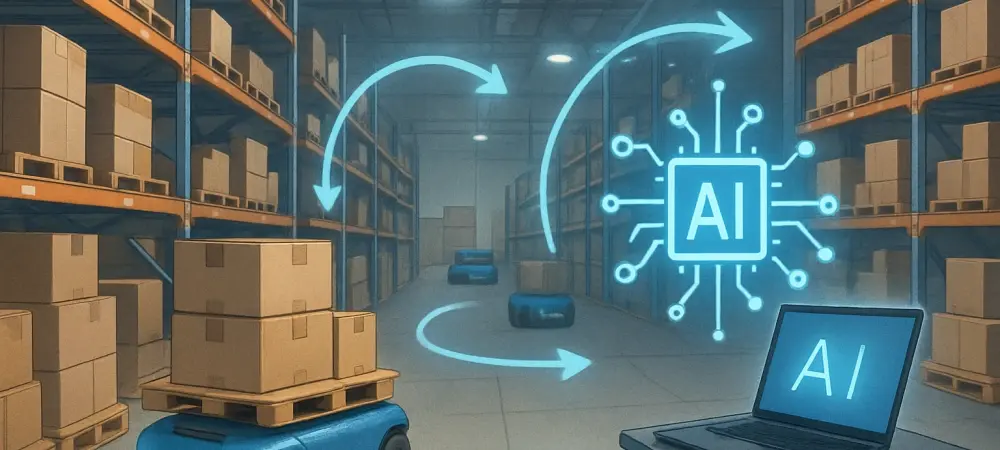
I’m really excited about where this is heading. AI is already starting to predict optimal storage locations using historical data and future demand forecasts, making slotting even smarter. IoT sensors are game-changers too—they can monitor bin capacity, track movement, or even check environmental conditions like temperature, triggering automatic adjustments. And looking ahead, autonomous robots guided by optimized paths could slash human travel time entirely. The future is about full automation and real-time adaptability, turning warehouses into data-driven powerhouses that anticipate needs before they even arise.