

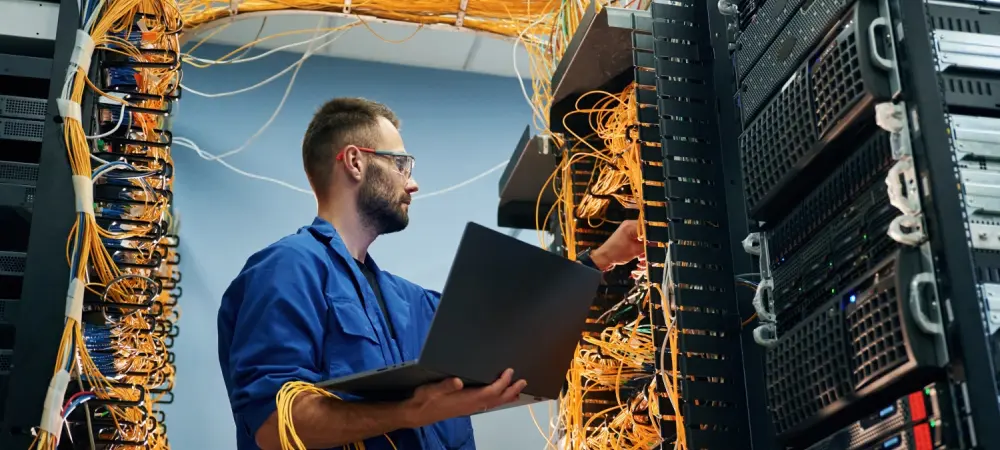
The world is increasingly dependent on seamless digital communication, placing network engineers at the heart of modern technological infrastructure. Ensuring uninterrupted connectivity around the clock presents both a challenge and an opportunity for those who guide complex networks. In a sphere marked by looming deadlines and critical moments, network engineers like Emmanuel Mordi often navigate an unpredictably busy landscape where personal life demands elusive stability. With personal engagements sidelined for urgent professional demands, harmonizing these spheres becomes an intricate dance. This dynamic often leads to a reliance on coffee as a substitute for rest, offering a glimpse into the dedication required to maintain network stability. Yet, underpinning this hectic lifestyle is a profound sense of responsibility and contribution. Supporting uninterrupted digital interactions and connections is deeply rewarding, reflecting a vital role in the fabric of technological advancement. Their vigilance is central to successful online experiences, highlighting the weight of their mission.
Crafting Flexibility and Empathy
Achieving work-life balance goes beyond strictly adhering to prescribed working hours; it involves weaving flexibility and empathy into daily routines. Roles with unpredictable and varied hours demand a dual-focus mindset, valuing both technical acumen and personal well-being simultaneously. Network engineers find immense satisfaction in ensuring the smooth functionality of digital services, sometimes at the cost of personal time and engagements. Strong teamwork and supportive management are pivotal in fostering environments where engineers flourish amidst chaos. Recognizing the importance of teamwork and empathetic leadership, these structures empower engineers to navigate their demanding roles more effectively. Empathy from management and colleagues contributes significantly to balance, as understanding peers provide leeway when personal adaptability is required. Through this, the mutual exchange of support becomes a building block for sustainable balance.
Boundaries and Balance
Acknowledging the necessity of clearly defined boundaries is a cornerstone of managing the dual existence between work demands and personal life. Setting solid boundaries, advocating for flexible working arrangements, and embracing technology to undertake routine tasks form a trifecta in addressing balance challenges comprehensively. Automation for routine tasks helps network engineers divert focus from perpetual availability towards well-deserved re-energization. A lingering sentiment is the understanding that being available does not translate to being perpetually reachable. It’s important to step back, recharge, and release any associated guilt. Building team trust ensures continued support even when network engineers momentarily disconnect. The prevalent culture of ‘always-on’ work environments makes boundary-setting an essential defense mechanism. Encouraging non-work hours where individuals can reclaim personal time is crucial for mental rejuvenation. Learning to prioritize not only leads to improved personal well-being but also enhances the quality and focus during work hours.
Communicate and Sustain
Effective communication plays a key role in maintaining work-life equilibrium, as supported by Emmanuel Mordi’s insights. Emphasizing the significance of open dialogue with both colleagues and family members offers a path toward a genuinely sustainable lifestyle. Expressing needs and understanding each other’s requirements enable alignment that nurtures healthy coexistence between career responsibilities and personal endeavors. While the mental toll of roles such as network engineering is undeniable, boundary setting is suggested as an essential solution. This mechanism helps individuals sustain a fulfilling career while nurturing their personal lives. Acknowledging and respecting engineers’ off-duty times by teammates is foundational to this practice. Employers’ proactive stance toward creating environments conducive to health and well-being has emerged as essential. Balancing these aspects is integral for continued career success and individual contentment, promoting an atmosphere where professional and personal growth evolve in tandem.
Valuing Life Amidst Digital Support
In today’s world, seamless digital communication is vital, positioning network engineers as crucial players in the backbone of technological infrastructure. The task of maintaining 24/7 uninterrupted connectivity is both daunting and rewarding for those managing complex networks. Network engineers like Emmanuel Mordi are immersed in unpredictable and hectic schedules, often sidelining personal life for urgent work demands. Balancing these aspects becomes a delicate art, frequently leading to a dependency on coffee as a stand-in for much-needed rest—a testament to the dedication needed for sustaining network stability. Despite the chaos, these professionals possess a deep sense of responsibility and pride in their role. Supporting uninterrupted digital interactions and connections is deeply fulfilling, underscoring their vital contribution to technological progress. Their constant vigilance ensures smooth online experiences, emphasizing their mission’s importance and their indispensable role in sustaining the ever-evolving digital landscape.