

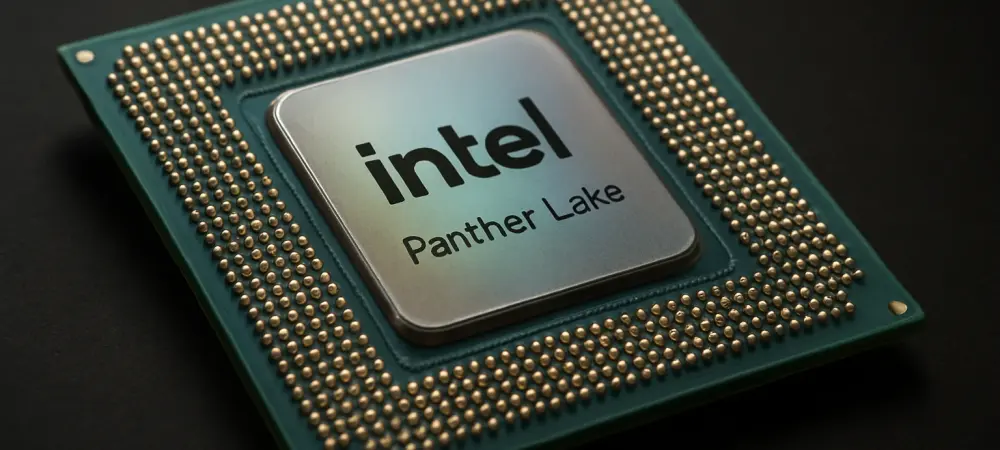
In the ever-evolving landscape of mobile computing, the race for superior processor performance and efficiency has never been more intense, with Intel poised to make significant strides with its upcoming Panther Lake CPUs, which have recently sparked curiosity among tech enthusiasts. Leaked information offers an early glimpse into the potential capabilities of these next-generation chips, particularly when compared to the current Arrow Lake-H lineup. While the data comes from Engineering Samples (ES) and must be interpreted with caution, it hints at promising advancements in multi-threaded workloads and integrated graphics performance. This emerging information paints a picture of incremental yet impactful improvements, setting the stage for a deeper exploration into how Panther Lake might reshape the competitive dynamics of laptop and ultraportable processors. As anticipation builds, understanding the nuances of these early benchmarks becomes essential for gauging Intel’s direction in the mobility segment.
Performance Metrics in Focus
Multi-Threaded Workload Capabilities
When examining the leaked benchmarks for Panther Lake CPUs, specifically the Core Ultra X7 358H and Core Ultra 5 338H, a compelling narrative emerges about their multi-threaded performance in Cinebench R23. The Core Ultra X7 358H, equipped with 4 Performance Cores (P-Cores) and 12 Efficiency Cores (E-Cores) at a boost clock of 4.8 GHz, reportedly achieves a score of around 20,000 points at a 65W TDP. In comparison, the Arrow Lake-H Core Ultra 7 255H, with 6 P-Cores and 10 E-Cores at 5.1 GHz, scores 21,826 points. Similarly, the Core Ultra 5 338H, featuring 4 P-Cores and 8 E-Cores at 4.7 GHz, hits approximately 16,000 points at 60W TDP, while its Arrow Lake-H counterpart, the Core Ultra 5 225H, reaches 17,988 points at 65W TDP. These figures suggest that despite lower clock speeds and early silicon status, Panther Lake chips are remarkably close to their predecessors in raw performance, hinting at underlying architectural enhancements.
Delving deeper into the implications of these results, Intel’s claim of up to 30% power efficiency gains at equivalent performance levels adds another layer of intrigue. If final retail silicon builds on these early scores, Panther Lake could potentially match or even surpass Arrow Lake-H in multi-threaded tasks while consuming less power. This efficiency focus is particularly critical for mobile devices where battery life remains a key concern. The proximity in benchmark scores, despite the disparity in clock speeds, also raises questions about optimizations in core design or thread scheduling that might be at play. While the data remains speculative, it underscores a trajectory of meaningful progress that could redefine expectations for laptop processors in demanding workloads, pending validation from finalized hardware.
Integrated Graphics Advancements
Turning to integrated GPU (iGPU) performance, Panther Lake demonstrates notable strides with its 12 Xe3 cores, as evidenced by updated leaks in 3DMark Time Spy. Initial reports pegged the score at around 6,300 points, but optimized samples have now climbed to 6,830 points, reflecting an 8.5% improvement. This leap positions Panther Lake’s iGPU as 55% faster than the 8 Xe2 iGPU found in Lunar Lake, signaling a substantial upgrade for integrated graphics in mobility-focused platforms. Such advancements are crucial for thin-and-light laptops that often rely solely on integrated solutions for graphics-intensive tasks like casual gaming or content creation, potentially reducing the need for discrete GPUs in certain use cases.
Beyond the raw numbers, this progress in iGPU performance hints at Intel’s broader strategy to strengthen its foothold in the mobile computing space. Enhanced graphics capabilities could make Panther Lake an attractive option for manufacturers aiming to deliver versatile devices without compromising on power or form factor. The improvement also suggests refinements in driver optimization or architectural design, which could further elevate user experiences in visual applications. While these leaked scores are promising, their preliminary nature means that real-world performance in finalized products remains to be seen. Nevertheless, this development marks a significant step forward for integrated graphics, potentially setting a new benchmark for what users can expect from ultraportable systems.
Product Lineup and Strategic Insights
Diverse Offerings for Mobile Needs
Exploring the preliminary lineup of Panther Lake CPUs reveals Intel’s intent to cater to a wide array of mobile computing demands with both H and U-series chips. High-end models like the Core Ultra X9 388H and X7 368H mirror the core configurations of the tested X7 358H, boasting 4 P-Cores and 12 E-Cores with TDPs around 45W, targeting performance-driven laptops. Meanwhile, the U-series, designed for ultraportables, includes options like the Core Ultra 7 360U with lower power consumption ranging from 15 to 28W. This diverse portfolio indicates a strategic approach to address varying needs, from high-performance machines for creators to power-efficient devices for everyday productivity, ensuring broad market coverage.
Further analysis of this lineup suggests that Intel is positioning Panther Lake to balance performance with energy efficiency across different segments. The H-series chips aim to deliver robust computing power for demanding applications, while the U-series focuses on extending battery life for ultrathin designs. Such differentiation could appeal to both enterprise users seeking reliable performance and casual consumers prioritizing portability. Although the leaked specifications provide a useful preview, their early status means that final configurations might differ. Still, this initial glimpse highlights a thoughtful segmentation that could strengthen Intel’s competitive edge in the evolving landscape of mobile processors.
Cautious Optimism for Future Impact
Reflecting on the broader implications of these leaks, a sense of cautious optimism surrounds Panther Lake’s potential to influence the mobile computing arena. The close multi-threaded performance to Arrow Lake-H, despite lower clocks and early silicon, points to architectural improvements that could refine how tasks are handled at the core level. However, the preliminary nature of Engineering Samples means that these benchmarks might not fully represent retail performance. Factors like test setup details, which remain undisclosed, further necessitate a reserved perspective until official data or third-party validations emerge, expected alongside initial SKU launches in the current quarter.
Looking back, the journey of Panther Lake’s development revealed incremental yet meaningful advancements, particularly in power efficiency and iGPU capabilities, as seen in historical comparisons to Arrow Lake-H. The past focus on balancing raw power with energy conservation laid a foundation that could reshape user expectations. As the industry moves forward, attention turns to upcoming unveilings, such as the anticipated CES 2026 showcase in January, for confirmed insights. The next steps involve closely monitoring official releases to assess whether Panther Lake delivers on its early promise, offering manufacturers and consumers alike actionable data to inform decisions in a competitive market.