

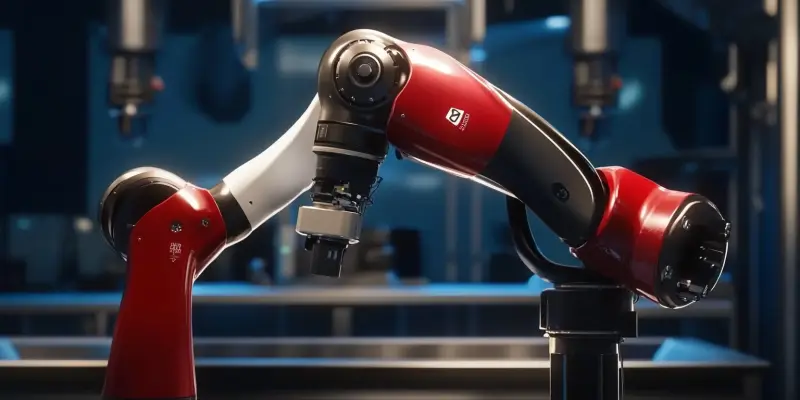
In the rapidly evolving field of robotics, the realistic simulation of robot behaviors in complex and unstructured settings is a monumental challenge. An intricate and multidisciplinary approach is essential to achieve success in this demanding domain. Cross-functional teams have emerged as a critical factor in pushing the boundaries of robotics simulation by integrating varied areas of expertise, producing groundbreaking advancements. Ruchik Thaker, a prominent figure, has been instrumental in promoting collaboration across different specialties to drive innovation and overcome these complexities.
The Role of Multidisciplinary Collaboration
Integrating Robotics Engineering and Software Development
The effective integration of robotics engineering and software development is pivotal to creating robust and precise simulation platforms. Robotics engineering provides the structural and mechanical elements essential for crafting effective robotic systems. Meanwhile, software development offers the algorithms and computational frameworks vital for processing data and making intelligent decisions. By merging these fields, cross-functional teams create scalable, flexible simulation models. These models are instrumental in bridging the gap between virtual training and real-world deployment, addressing one of the most pressing issues in robotics today.
The collaboration between robotics engineers and software developers has led to significant improvements in the design and testing processes of robotic systems. This approach accelerates the creation of innovative designs by uncovering and eliminating workflow bottlenecks. The improved transfer techniques between simulated and physical environments enhance reliability, making the testing process smoother and more effective. Consequently, this encourages a deeper focus on innovation, reducing the time it takes to develop and implement new robotic solutions.
Leveraging Artificial Intelligence in Robotics Simulation
Artificial intelligence (AI) is another specialized field that plays a crucial role in the advancement of robotics simulation. AI technologies such as machine learning and deep learning algorithms allow robots to process vast amounts of data and learn from it autonomously. This capability empowers robots to make real-time decisions based on their simulations, enhancing their effectiveness in unstructured settings. Combining AI with robotics engineering and software development leads to the creation of highly sophisticated simulation platforms. These platforms can predict and model numerous potential scenarios, ensuring robots are well-prepared for real-world challenges.
The utilization of AI in robotics simulation extends to adaptive learning techniques, which enable robots to update their behavior based on new information. This continuous improvement process ensures that robots can handle unforeseen obstacles and adapt to changes in their environment smoothly and efficiently. Cross-functional teams that incorporate AI experts into their collaborations are better equipped to develop cutting-edge robotic systems that continually evolve, maintaining relevance in an ever-changing landscape. This approach not only advances the technology but also sets new industry standards for performance and reliability.
The Impact of Cross-Functional Collaboration on Innovation
Redefining Design and Testing Processes
Cross-functional collaboration has redefined design and testing processes for robotic systems, paving the way for unparalleled innovations. The synergy between software engineers and hardware developers is crucial in addressing the specific needs of each project. By working closely together, these teams can innovate unique solutions that are both technologically sound and practical in their applications. The collaborative approach dismantles communication barriers, facilitating the rapid exchange of ideas and speeding up the design phase.
The incorporation of various perspectives in the early stages of design leads to a more comprehensive understanding of potential issues and their resolutions. This holistic approach reduces the risks of design flaws and improves the overall quality of robotic systems. Furthermore, cross-functional teams ensure that the developed simulations are accurate representations of real-world scenarios, providing a reliable platform for testing and validation. The enhanced realism of simulations aids in identifying and addressing potential problems before deploying the robots, which improves their operational success rate in real-life applications.
Cultivating a Culture of Innovation
A notable outcome of cross-functional teamwork is the cultivation of a collaborative culture that fosters continuous innovation and aligns technological solutions with user requirements and market expectations. This culture is nurtured through constant communication, mutual respect, and the integration of diverse expertise. Ruchik Thaker’s pioneering efforts in promoting such a culture have resulted in the development of technologically effective solutions that resonate well with end-users. By breaking down silos and encouraging a multidisciplinary approach, Thaker has demonstrated the transformative power of cross-functional collaboration.
This collaborative culture not only advances technology but also opens up new avenues for application across various fields. The synchronization of different expertise ensures that solutions are not just cutting-edge but also user-friendly and market-ready. This alignment between innovation and practical application is crucial for the widespread adoption and success of new robotic technologies. Thaker’s ability to navigate the complexities of robotics simulation through cross-functional collaboration has set new industry standards, showcasing the potential for significant breakthroughs that meet and exceed user expectations.
Future Considerations
Toward Scalable and Flexible Simulation Models
As the field of robotics continues to progress, the need for scalable and flexible simulation models becomes increasingly critical. Thaker’s work has already laid a strong foundation in this area, demonstrating the importance of cross-functional teams in achieving scalable solutions. Future advancements will likely build upon these existing models, incorporating new technologies and methodologies from emerging fields. The goal will be to enhance the robustness and adaptability of simulations, ensuring that robots are well-equipped to handle an ever-expanding range of tasks. The continuous evolution of these simulation models will require ongoing collaboration between various specialists to maintain the momentum of innovation.
The development of simulation models that can seamlessly adapt to diverse and unpredictable environments will be a major focus. This will involve not only technological advancements but also a deeper understanding of the practical applications and challenges faced by end-users. Cross-functional teams will play a pivotal role in addressing these needs, combining their expertise to create solutions that are both innovative and pragmatic. This collaborative approach will be essential in driving the next generation of revolutionary developments in robotics simulation.
The Ongoing Importance of Cross-Functional Collaboration
In the fast-evolving world of robotics, simulating realistic robot behaviors in complex and unstructured environments poses a significant challenge. Addressing this tough problem requires a detailed and multidisciplinary strategy. Cross-functional teams have become vital in advancing robotics simulations, as they bring together diverse areas of expertise, leading to innovative solutions. One key figure in this effort is Ruchik Thaker, who has played a crucial role in fostering collaboration among various specialties, driving innovation, and overcoming the inherent complexities of the field. Thaker’s approach highlights the importance of interdisciplinary teamwork, as combining knowledge from different domains paves the way for groundbreaking advancements. His efforts exemplify how collaborating across various fields can address intricate challenges in robotics simulations, providing a path forward in this demanding area. This collaborative spirit is essential for pushing the limits of what’s possible, ensuring that the field continues to progress and achieve new milestones.