

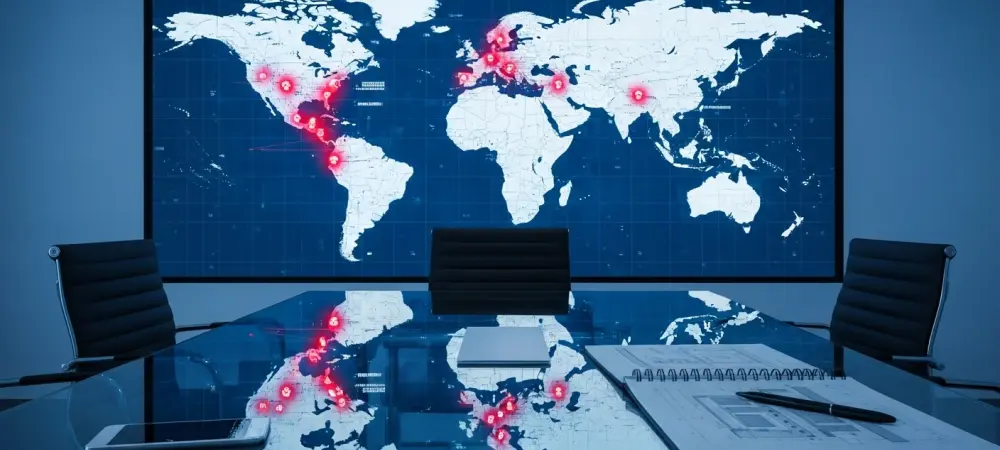
The sudden collapse of a primary digital intelligence layer can transform a productive global workforce into a collection of stranded users in a matter of minutes. When the Claude AI ecosystem experienced a massive service disruption on March 2, it did more than just pause conversations; it effectively severed the nervous system of numerous enterprise operations that have grown to rely on Anthropic for daily logic. This incident serves as a critical case study for understanding how modern cloud dependencies create invisible single points of failure that can paralyze even the most sophisticated technological environments.
This article explores the technical breakdown that occurred during the four-hour global outage, examining the specific vulnerabilities revealed within authentication and routing pathways. Readers will gain a deeper understanding of the cascading effects of API failures and the lessons learned regarding “AI resilience.” By dissecting the timeline and the response, the following sections provide a clear picture of how organizations can better prepare for the inevitable fluctuations of a centralized artificial intelligence landscape.
Key Questions: Why the Outage Matters
What Triggered the Initial Disruption?
The crisis began as a localized anomaly at 11:49 UTC, initially appearing as a simple glitch within the primary web interface and the developer console. Engineers first suspected that the problem was restricted to authentication pathways, specifically affecting how users logged in and out of the system. This led to an early, though optimistic, assessment that the core API functionality remained untouched, allowing background services to continue running while the human-facing portals were repaired.
However, as telemetry data trickled in, the situation proved far more complex than a simple login error. The initial focus on authentication masked deeper structural issues that were simultaneously spreading through the network. This early phase of the incident highlights the difficulty of diagnosing systemic failures in real-time, where the most visible symptoms often distract from the more damaging underlying architectural faults.
How Did the Scope Expand to API Services?
By mid-morning, the narrative of a minor login glitch shifted toward a full-scale operational emergency. Investigators confirmed that critical API methods were failing across the board, which effectively neutralized third-party integrations and automated backend environments. Organizations that had woven Claude into their security or development pipelines saw their automated scripts hit a wall of HTTP 500 Internal Server Errors, resulting in severe timeouts and a total cessation of data parsing.
Moreover, a secondary, more specialized routing error was detected specifically affecting the Claude Opus 4.6 model architecture. While the primary infrastructure failure was identified and addressed by early afternoon, this specific model required a targeted patch to restore its unique routing protocols. The complexity of managing multiple model versions simultaneously meant that even as some services regained stability, others remained dark, illustrating the intricate dependencies within a modern AI stack.
What Does This Event Reveal About AI Resilience?
The total downtime faced by companies relying on Claude for threat intelligence and vulnerability scanning underscores a significant risk in the current tech climate. When centralized platforms fail, the automated enterprise logic that powers modern business essentially vanishes. This event serves as a stark reminder that as AI becomes more deeply embedded in global infrastructure, the delivery pathways of that intelligence are just as vital as the sophistication of the models themselves.
Industry observers now stress the necessity of implementing robust error-handling logic and exponential backoff strategies for all API interactions. Relying on a single provider without a contingency plan is increasingly viewed as a liability rather than a standard practice. Cybersecurity professionals are encouraged to maintain localized backup models or multi-model architectures to ensure continuity, ensuring that a single provider’s technical debt does not become their own operational catastrophe.
Summary: Lessons from the Outage
The four-hour disruption demonstrated that even the most advanced AI systems are susceptible to cascading technical faults. By 15:25 UTC, a comprehensive programmatic fix was deployed, but the impact had already been felt by thousands of developers and enterprise users. The incident proved that failures in simple components like authentication can quickly escalate into global outages that paralyze automated workflows. These events highlight the fragile nature of the cloud-based AI delivery model and the high cost of over-centralization.
Final Thoughts: Moving Toward Stability
The resolution of the March 2 incident marked a transition into a heightened monitoring phase to prevent secondary regressions. Architects and system designers should treat this event as a blueprint for identifying gaps in their own integration strategies. Moving forward, the focus must shift toward building redundancy directly into the AI integration layer rather than assuming constant uptime.
The most effective response to these infrastructure risks is the adoption of a diversified AI strategy that prioritizes local fallbacks and cross-platform compatibility. By developing systems that can pivot between different models and providers during a crisis, organizations can safeguard their workflows against the inherent volatility of the AI sector. True resilience lies in the ability to maintain logic and security even when the primary intelligence provider goes silent.