

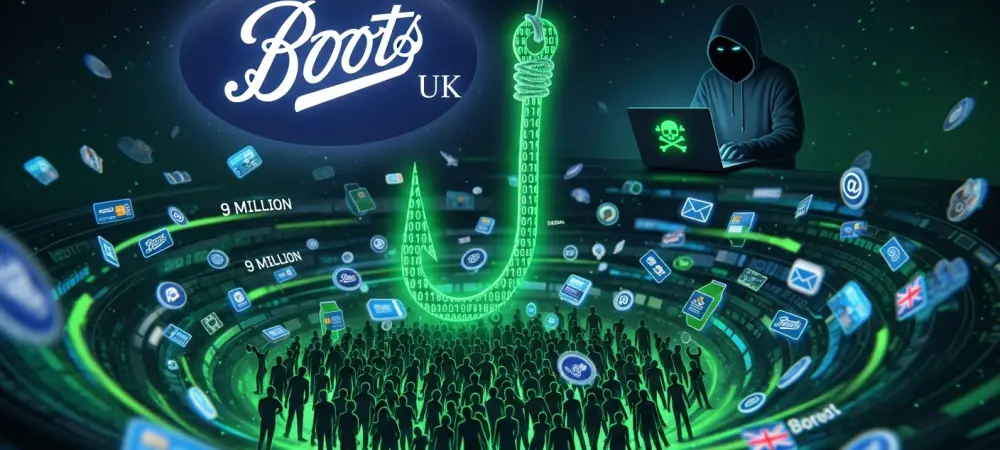
A sophisticated cyberattack targeting the loyalty systems of major retailers recently illustrated the terrifying efficiency of modern phishing, reaching approximately nine million individual accounts through a coordinated campaign of deception. A sophisticated cyberattack targeting the loyalty systems of major retailers recently illustrated the terrifying efficiency of modern phishing, reaching approximately nine million individual accounts through a coordinated campaign of deception. This massive operation specifically focused on Advantage Card holders, exploiting the inherent trust consumers place in established household brands to bypass traditional skepticism. By leveraging a high-volume approach, the perpetrators managed to cast an incredibly wide net, ensuring that even a minuscule success rate would yield a substantial harvest of sensitive personal data. The sheer scale of the campaign suggested a well-funded organization capable of managing vast amounts of stolen information while simultaneously bypassing standard spam filters and security protocols. This incident served as a wake-up call for the retail industry, highlighting how loyalty programs have become prime targets for malicious actors seeking a gateway into broader digital identities.
Strategic Elements of the Cybersecurity Breach
Strategic Utilization of Social Engineering Tactics
The primary mechanism for this exploit involved the strategic use of smishing, where fraudulent text messages were sent directly to mobile devices to create a sense of immediate urgency regarding account status or expiring rewards points. These messages often contained personalized details that increased their perceived legitimacy, making it difficult for the average user to distinguish them from official corporate communications. By utilizing psychological triggers such as the fear of loss or the promise of an exclusive benefit, the attackers successfully manipulated millions into clicking on malicious links without performing due diligence. This form of social engineering was particularly effective because mobile interfaces often truncate URLs, hiding the deceptive nature of the destination address. Furthermore, the timing of the messages was meticulously planned to coincide with seasonal shopping peaks, ensuring that the phishing attempts felt relevant and timely to the recipients’ current activities.
Technical Infrastructure and Credential Acquisition
Beneath the surface of the deceptive messages lay a robust technical infrastructure designed to harvest credentials and personal information with surgical precision. When users clicked the malicious links, they were redirected to highly sophisticated landing pages that mirrored the official retail interface with startling accuracy, including the use of valid-looking security certificates and responsive design elements. Once the victims entered their login credentials, the attackers utilized automated scripts to test these combinations against other high-value platforms, such as banking portals and email services. This technique, known as credential stuffing, allowed the threat actors to expand the scope of the breach far beyond the initial retail loyalty account. The infrastructure supporting this operation was distributed across multiple international jurisdictions, utilizing encrypted proxy networks to mask the origin of the traffic and complicate efforts by law enforcement to dismantle the primary servers.
Implementation of Proactive Defense and Security Resilience
To address these systemic vulnerabilities, organizations shifted toward the mandatory implementation of phishing-resistant multi-factor authentication and enhanced biometric verification for all account access attempts. Security teams deployed advanced machine learning algorithms to analyze traffic patterns in real-time, allowing for the immediate identification and blacklisting of suspicious domains before they could reach the general public. For individual consumers, the adoption of specialized password managers and the utilization of hardware-based security keys became the gold standard for protecting digital identities against sophisticated harvesting techniques. Law enforcement agencies collaborated with telecommunications providers to refine SMS filtering technologies, which significantly reduced the delivery success rate of fraudulent messages. These comprehensive measures ensured that the pathways used by the attackers were permanently obstructed, fostering a more resilient digital environment where user data remained shielded from opportunistic and high-scale exploitation.