

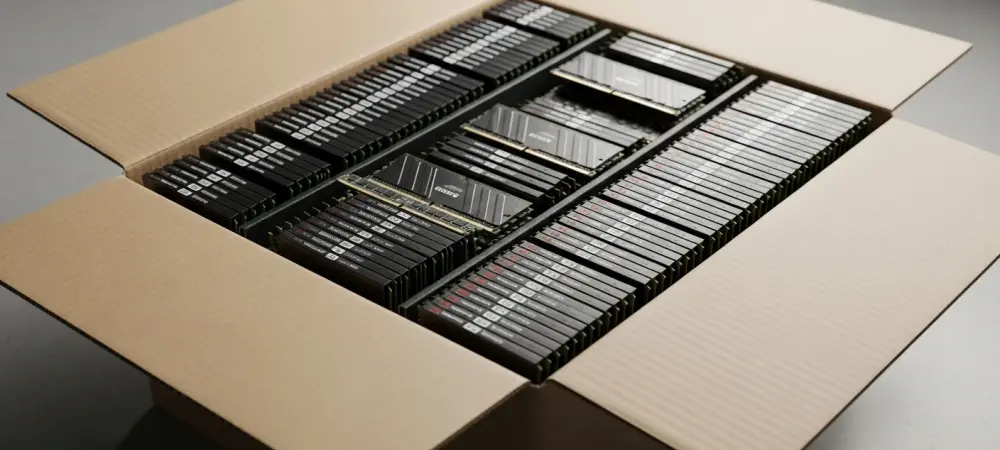
Most tech enthusiasts anticipate the arrival of a single parcel containing their latest upgrade, yet one lucky builder discovered that a standard $300 transaction could unexpectedly yield a mountain of high-end hardware. When a customer ordered one 32GB Corsair Vengeance DDR5 kit, they expected a routine delivery. Instead, a heavy package revealed a fulfillment anomaly where a single transaction triggered the delivery of an entire master pack.
The $300 Order That Transformed Into a Hardware Fortune
This fluke resulted in the customer receiving ten high-performance modules instead of one. This instantly turned a standard upgrade into a $3,000 windfall. Such errors represent a massive departure from the usual retail experience where builders typically struggle with high component costs.
The sheer scale of the over-shipment meant the customer held ten times the value of the original investment. This rare occurrence transformed a simple PC build into a significant financial gain, highlighting the unpredictable nature of massive logistics networks.
Navigating the High Stakes of the Modern Component Market
In a market often defined by supply chain volatility, hardware enthusiasts rarely find themselves on the winning side of a clerical mistake. This incident stands out as a reversal of the typical consumer experience. It illustrates how a simple oversight creates a massive value gap in the e-commerce sector.
Premium memory remains a significant investment for modern builders. When systems fail in favor of the buyer, it provides a level of hardware luxury that usually requires a massive financial commitment, sparking intense interest across the global gaming community.
Anatomy of a Logistical Failure: How Master Packs Slip Through
The transition to a jackpot is usually a byproduct of human error within high-pressure fulfillment centers. If the barcode on a manufacturer’s carton is scanned instead of individual retail packaging, the system registers the ten-pack as one item. Weight differences often go unnoticed during the rush toward meeting delivery windows.
Community members corroborated the possibility by sharing similar experiences with other high-value components. These logistical gaps suggest that the velocity of modern e-commerce sometimes outpaces the physical verification protocols designed to prevent bulk shipping errors.
Redefining “Finders Keepers” in the PC Enthusiast Community
The recipient opted to sell the extra modules to fellow builders at discounted rates rather than seeking maximum profit. Under Federal Trade Commission guidelines, consumers are generally protected when they receive items they did not order. This allowed the builder to legally treat the surplus as a gift.
This decision served as a grassroots effort to combat the typical profit-driven secondary market. By avoiding scalper tactics, the buyer turned a corporate error into a community benefit, fostering goodwill among enthusiasts facing high hardware prices.
Protecting the Consumer Experience Amidst Fulfillment Chaos
Recording the unboxing of electronics provided a clear paper trail for any potential discrepancies. Checking packing slips against physical contents ensured all hardware was accounted for regarding future warranty registration. This practice protected the buyer while documenting the magnitude of the error.
Future shoppers sought to understand their rights before navigating similar “golden ticket” scenarios to ensure legal clarity. Enthusiasts realized that proactive documentation and knowledge of consumer law stayed essential for managing the fallout of unexpected retail windfalls.