

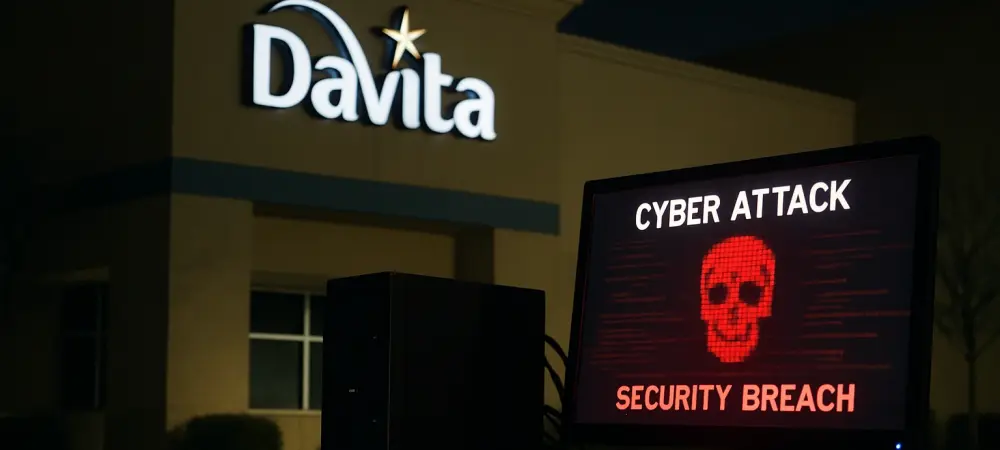
In an era where digital security is paramount, the recent cyber-attack on DaVita, a leading kidney dialysis provider in the United States, has sent shockwaves through the healthcare industry by exposing the sensitive data of over 900,000 patients. This breach, occurring over several weeks between March and April, underscores the persistent vulnerabilities within critical sectors that handle vast amounts of personal and medical information. The incident not only highlights the sophistication of modern cybercriminals but also raises urgent questions about the adequacy of existing safeguards in protecting patient privacy. The attackers, identified by external sources as the Interlock gang, reportedly stole 1.5 terabytes of data, including names, Social Security numbers, health insurance details, and clinical records such as lab results. This massive theft of information was accompanied by evidence published on a leak site, amplifying the severity of the compromise. As healthcare organizations grapple with the dual challenge of delivering care and securing data, this event serves as a stark reminder of the high stakes involved. The financial and personal repercussions for both the company and its patients are profound, painting a troubling picture of the current state of cybersecurity in the medical field.
Unpacking the Impact and Response to the Breach
The fallout from the cyber-attack on DaVita reveals a multifaceted crisis that extends beyond mere data theft to significant financial and operational burdens. The company faced remediation costs of approximately $13.5 million to restore systems and address the breach, with an additional $1 million spent on patient care and $12.5 million on administrative expenses. These figures, which do not account for losses due to business interruption, illustrate the enormous economic toll of such incidents on healthcare providers. Beyond the monetary impact, the risk to affected individuals is substantial, as the stolen data—ranging from personal identifiers to detailed medical histories—could be exploited for identity theft or fraud. DaVita responded by urging patients to remain vigilant and offering free credit monitoring services to mitigate potential harm. Meanwhile, the incident reflects a broader trend of ransomware attacks targeting the healthcare sector, which, despite a slower growth rate in recent months, continues to be a prime focus for cybercriminals due to the critical nature of its services and the sensitivity of its data. The lack of specific commentary from DaVita on the nature of the attack or the perpetrators suggests a cautious approach, likely to avoid legal or escalatory issues, but the attribution to a known gang adds credibility to the claims of responsibility.
Looking back, the DaVita cyber-attack served as a critical wake-up call for the healthcare industry, exposing the vulnerabilities that allowed nearly a million patients’ data to be compromised. The incident highlighted the urgent need for robust cybersecurity measures to safeguard sensitive information and maintain trust in medical institutions. It also emphasized the importance of rapid response strategies to minimize damage after a breach. While the growth of ransomware attacks may have slowed in recent times, the severity of high-profile cases like this one demonstrated that the sector remained a high-stakes target. Moving forward, healthcare providers had to prioritize investment in advanced security protocols and employee training to prevent similar incidents. Collaboration with cybersecurity experts and adherence to evolving industry standards became essential steps to fortify defenses. Ultimately, the lessons learned from this breach underscored that protecting patient data was not just a technical challenge but a fundamental responsibility to ensure safety and confidence in healthcare systems.