

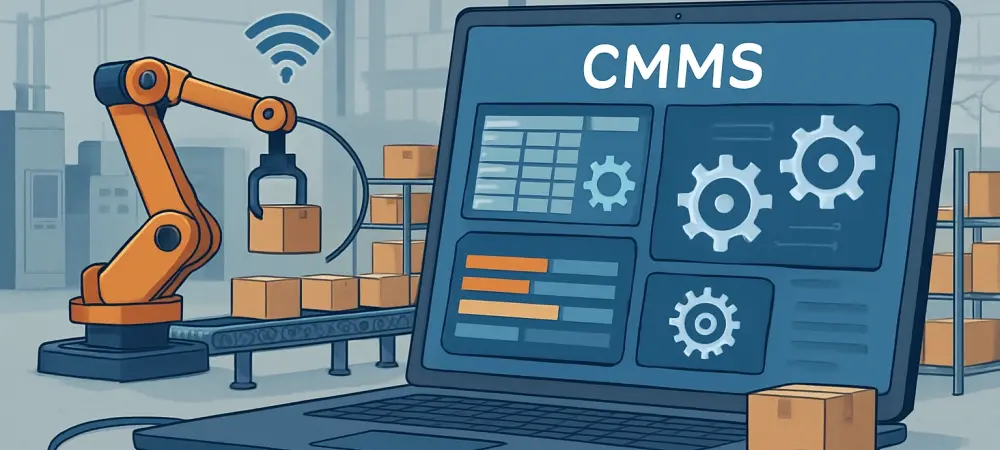
In the world of manufacturing, the unsung heroes of operational efficiency often sit quietly on warehouse shelves. Spare parts management, a discipline frequently overshadowed by production metrics, holds the key to unlocking significant cost savings and boosting uptime. To explore this critical intersection of maintenance strategy and inventory control, we spoke with Dominic Jainy, an IT professional with deep expertise in applying advanced technologies to solve complex industrial challenges. Our conversation delves into the tangible shift from reactive, stressful fire-fighting to a proactive, data-driven maintenance culture. We explore how integrating specialized systems like a CMMS with a core ERP like Microsoft Dynamics 365 creates a single source of truth, transforming how finance, production, and maintenance teams collaborate to eliminate waste and build a more resilient factory floor.
The article highlights how reactive maintenance leads to unpredictable parts demand and emergency purchases. Could you share an example of this cycle and explain the specific steps a manufacturer takes with LLumin CMMS+ to break it and establish a predictable, preventive maintenance schedule?
I’ve seen this cycle play out countless times, and it’s always a high-stress situation. Imagine a critical conveyor motor fails mid-shift on a Tuesday afternoon. Production grinds to a halt. The maintenance team rushes in, diagnoses the problem, but discovers the specific gearbox they need isn’t on the shelf. Now it’s a frantic scramble. Someone is on the phone, paying premium pricing and expediting fees to get that part shipped overnight. The entire production line is down, costs are piling up, and everyone is under immense pressure. That’s the reactive nightmare.
Breaking this cycle with a system like LLumin CMMS+ is a methodical process. The first step is to stop guessing. The software begins by tracking the performance and maintenance history of that exact conveyor motor. Instead of waiting for a breakdown, the system uses that data to schedule a preventive work order based on usage or time. The CMMS then automatically identifies the specific gearbox, bearings, and seals required for the job. The inventory team is notified well in advance, allowing them to stage the parts without any rush. The work is then completed during a planned, controlled shutdown, turning a chaotic, expensive emergency into a predictable, efficient task.
You mention that integrating LLumin CMMS+ with Dynamics 365 creates a “shared data foundation.” What are some unexpected benefits finance and production teams discover from this shared visibility, beyond simply having aligned inventory counts, and how does this change their daily planning?
It’s about moving from conflict to collaboration. Initially, everyone is happy that the inventory numbers in the CMMS match what’s in Dynamics 365. But the real “aha!” moment comes later. For the finance team, it’s the sudden drop in those painful, off-budget emergency expenses. They stop seeing a constant stream of invoices with expediting fees. This allows them to forecast maintenance costs with a level of accuracy they’ve never had before, which is a massive win for their budgeting process.
For the production planners, the benefit is confidence. In the past, they always had to build a buffer into their schedules to account for unplanned downtime. It was just a given that something would break. Now, when they see a maintenance work order on the schedule, they know it’s real. They trust that the parts have been staged and the technicians are ready. They can plan their production runs tighter and make delivery promises to customers with much more certainty. It fundamentally changes their relationship with the maintenance department from an unpredictable disruption to a reliable operational partner.
The text says preventive maintenance turns history into data that planners can trust. Can you describe how LLumin CMMS+ captures this usage data in a technician’s normal workflow and what key metrics an inventory manager would analyze to identify and reduce obsolete stock?
The beauty of a modern system is that it makes data capture a natural part of the job, not an extra chore. A technician receives a work order on a tablet to replace a pump seal. As they perform the work, they simply scan the barcode on the new seal’s packaging or select it from a digital list within the work order itself. That one action instantly logs that a specific part was used on a specific asset at a specific time. There’s no separate spreadsheet, no manual logbook to forget. The data is captured cleanly and consistently every single time.
This stream of reliable data is a goldmine for an inventory manager. They can finally see the true story of their stock. They’re not just looking at on-hand quantities; they’re analyzing usage patterns. A key metric is usage frequency. They can run a report showing all parts that haven’t been issued to a work order in the last 18 or 24 months. When they see thousands of dollars tied up in parts that are just gathering dust, it becomes a simple, data-backed decision to clear them out. This frees up both physical space on the shelves and, more importantly, working capital that was completely hidden and unproductive.
Moving from reactive “gut” decisions to a data-driven approach is a big cultural shift. What are the most common challenges maintenance teams face when first adopting a system like LLumin CMMS+, and what practical steps ensure they trust the system for managing critical spares?
The biggest hurdle is almost always skepticism from the veteran technicians. These are skilled people who have spent years relying on their experience and intuition to keep the plant running. They’ve been burned by past systems that were clunky or inaccurate. They often keep their own private stash of critical parts “just in case,” because they don’t trust that the official inventory will have what they need in a pinch. You can’t just tell them to trust the new system; you have to show them it works.
The most effective way to build that trust is through small, tangible wins. You start by focusing on one problematic asset. You work with the team to ensure the data for that machine—its parts list, its maintenance history—is perfect within the CMMS. Then, when the system schedules a preventive task and the technician arrives to find the correct parts, tools, and instructions waiting for them, it’s a powerful moment. They didn’t have to search for anything or wait on a delivery. The system made their job easier. When that happens a few times, you see the culture start to shift. They begin to see the system not as a management tool for tracking them, but as a reliable resource for helping them succeed.
What is your forecast for the future of integrated CMMS and ERP systems in manufacturing?
I believe the integration will become so deep and intelligent that it will effectively erase the line between maintenance planning and supply chain execution. We’re moving beyond simple data synchronization, where the systems just talk to each other. The future is in proactive, automated decision-making. Imagine an integrated system that uses machine learning to analyze performance data from an asset. It won’t just tell you that a bearing needs to be replaced in three weeks based on a fixed schedule; it will predict a probable failure in 72 hours based on subtle vibration changes.
This prediction won’t just create an alert. It will automatically check inventory levels in Dynamics 365, see the part is low, generate a purchase order with a trusted supplier, and schedule the maintenance work order in the CMMS for the next planned production gap—all before a human even reviews the data. This shifts the entire paradigm from preventive to truly predictive maintenance. It will give manufacturers a level of operational foresight and resilience that feels like science fiction today, minimizing downtime and inventory costs in ways we’re just beginning to imagine.