

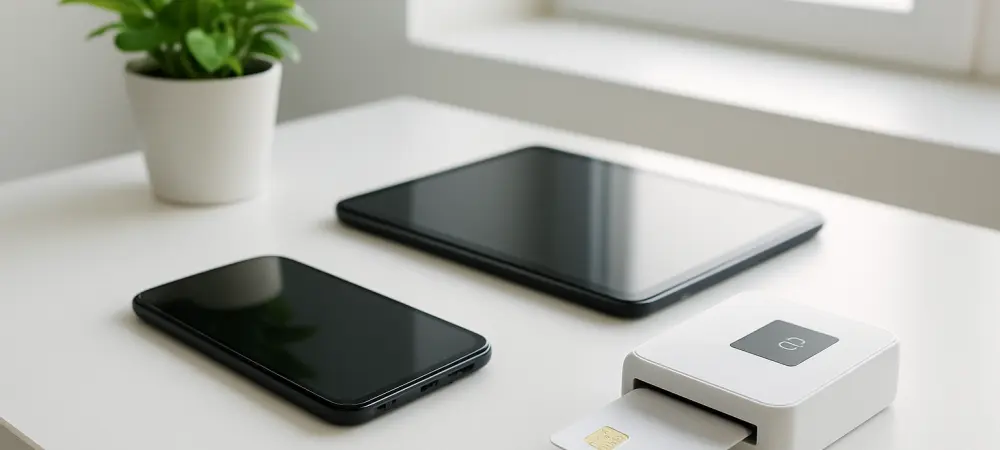
Healthcare providers are increasingly urging patients to bypass email links entirely and access their medical records exclusively through verified mobile applications and secure official portals. This shift follows a wave of sophisticated social engineering attacks where malicious actors clone patient portal interfaces with alarming precision. In these scenarios, unsuspecting individuals receive urgent notifications regarding overdue lab results or unpaid billing statements, prompting them to enter sensitive credentials into fraudulent websites. The psychological pressure applied by healthcare-themed threats often bypasses standard skepticism, making these scams particularly effective. Modern cybercriminals utilize leaked metadata to personalize messages, which significantly increases the likelihood of a successful breach. Protecting patients requires a multi-layered defense strategy that combines advanced technical safeguards with a fundamental change in how institutions communicate with their digital user base today.
Strengthening Identity Verification and Authentication Protocols
Implementation of FIDO2-compliant physical security keys and biometric authentication serves as the first line of defense against credential harvesting. When patients rely solely on traditional passwords, they remain vulnerable to replay attacks where a phished password is used immediately by an automated bot. Modern systems are now integrating passkeys, which eliminate the password entirely by utilizing a cryptographic pair between the patient’s device and the healthcare provider’s server. This specific technology ensures that even if a patient is lured to a fake website, the authentication attempt will fail because the digital certificate does not match the fraudulent domain. Furthermore, many hospitals are deploying mobile-first strategies where the MyChart application uses face recognition or fingerprint sensors to unlock medical records, creating a seamless yet highly secure user experience. These hardware-backed solutions significantly raise the cost of an attack for criminals. Beyond initial login security, healthcare systems are increasingly deploying artificial intelligence to monitor session behavior for signs of automated intrusion or anomalous activity. If a user typically accesses their records from a specific geographic location using a mobile device, a sudden login attempt from a distant data center using a desktop browser triggers an immediate security challenge. This dynamic risk assessment allows providers to step up authentication requirements only when a threat is perceived, maintaining convenience for legitimate users. For instance, if an account attempts to download an unusually high volume of medical images or export full records within seconds of logging in, the system can automatically terminate the session and notify the patient via a pre-registered phone number. These backend protections act as a safety net for patients who might have inadvertently disclosed their credentials to a phishing site by analyzing patterns like navigation speed.
Orchestrating Proactive Education and Communication Strategies
A critical component of modern defense involves the complete removal of actionable links from email and SMS notifications. Instead of providing a direct button, hospitals are training patients to look for a standardized notification that simply states new information is available within the secure portal. This method forces a behavioral change, encouraging users to open their bookmarked browser tab or dedicated mobile application manually. To support this, digital health teams have launched comprehensive awareness programs that use specific examples of recent phishing templates to show patients exactly how a scam looks. These programs emphasize that legitimate medical staff will never ask for a password or social security number via text message. Many organizations have also adopted Brand Indicators for Message Identification, which displays a verified hospital logo in the recipient’s inbox to confirm the authenticity of the sender for every communication they receive.
The transition toward a more resilient patient ecosystem required a unified front across technical and administrative departments. Medical institutions successfully prioritized the deployment of encrypted push notifications, which bypassed the vulnerabilities inherent in the aging email infrastructure. Security teams conducted regular phishing simulations that mimicked real-world threats, providing immediate corrective guidance to individuals who interacted with the mock malicious content. It became clear that the most effective protection was not found in a single software tool, but in the combination of hardened authentication and a well-informed patient population. Looking ahead, the integration of decentralized identity verification remained a promising avenue for further securing medical data access. Organizations that stayed ahead of the curve established clear protocols for reporting suspicious activity, ensuring that potential threats were mitigated before they could escalate.