

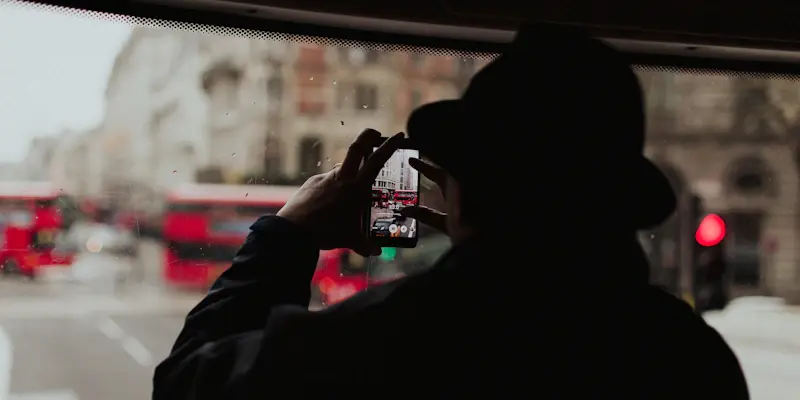
The best smartphones of 2025, such as the iPhone 16 Pro, Pixel 9 Pro, and Samsung Galaxy S24 Ultra, boast incredible night-mode photography capabilities, allowing users to capture bright, detailed images even in low-light conditions. Xiaomi’s 14 Ultra has also been impressive with its large sensor and variable aperture, delivering exceptional nighttime shots. Even more affordable options like the Pixel 8A now offer remarkable night photography features, ensuring that you don’t need to break the bank to take beautiful night scenes with your phone. In the past, capturing stunning low-light photos required professional DSLRs and tripods for long exposures. However, modern phones eliminate this need, making it easier than ever to click amazing photos after sundown without any bulky equipment. But getting that picture-perfect shot is not simply a matter of pointing and shooting. You’ll need to put in a little effort to ensure that your captures are worthy of admiration for years to come. Here, we present a step-by-step guide to help you take stunning night-mode photos on any phone.
1. Ensure Night Mode is Enabled
If your phone has a night mode – and most phones released in the last few years do – it’s essential to make sure it’s activated before you start shooting. Many phones, such as those in the iPhone 16 series or recent Samsung Galaxy models, have night modes that engage automatically when the phone detects low-light conditions. Some Android phones might require you to switch to specific night shooting modes manually. For example, on the Galaxy S24 range, it’s simply called Night, while on Pixel devices, it’s labeled Night Sight.
Understanding how to activate and use night mode on your particular phone is crucial for achieving the best results. If you’re unsure whether your phone has this feature or how to access it, a quick online search of your phone model along with the term “night mode” should provide the necessary information. Night modes have become a standard feature on most modern smartphones, so if you own a device released in the past few years, it’s likely equipped with some version of night mode. With night mode enabled, your phone will be better prepared to capture clear, vivid images in low-light scenarios.
2. Seek Out Light Sources
Even with the advanced night modes available on today’s smartphones, having some source of light in your shot is vital for creating a compelling image. Pitch-dark settings, such as remote forests, are not ideal for night photography. Instead, focus on populated areas like city centers where street lamps, shop window displays, and festive lights can add dynamism to your photos. These light sources present opportunities to experiment with different compositions and contrasts, making your images more interesting and visually appealing.
When scouting for locations, look for places where natural and artificial light interact, creating exciting patterns and shadows. Urban environments, in particular, offer a multitude of lighting variations that can significantly enhance your night shots. The glow from neon signs, reflections from wet surfaces, and the warm hues of street lamps can all contribute to the overall mood and aesthetic of your photographs. By actively seeking out and incorporating these light sources, you’ll ensure that your night photos are not only well-lit but also packed with character and atmosphere.
3. Wait for the Perfect Moment
Capturing people as subjects in your city and street photography can significantly enhance the composition and narrative of your night shots. However, in low-light situations, it’s crucial to wait for the perfect moment when your subject is ideally positioned within the available light. Patience is key, as you may need to wait several minutes for someone to walk into that pool of light cast by a streetlamp or for a cyclist to speed past, creating a dynamic element in your photo.
Imagine you’re lining up a shot on a dimly lit street, with occasional pools of light cast by streetlamps. By preparing your shot and having your finger ready on the shutter button, you can capture the precise moment a person walks through that illuminated area. This kind of timing can transform a standard photo into a memorable image, adding depth and storytelling to your night photography. These fleeting instances, when captured correctly, can reveal the interplay of light and shadow, highlighting the beauty hidden within the nighttime landscape.
4. Stabilize Your Phone
Maintaining stability is essential for achieving sharp night images, as even the most advanced night modes can benefit from a steady hand. While traditional night photography might require a tripod for long exposures, today’s smartphones can often manage without one. However, finding a stable surface like a low wall, trash can, or even a bench can help steady your phone and minimize any blurring caused by hand movements. If external support isn’t available, you can use your body to stabilize the phone by holding it with both hands, keeping it close to your chest, and tucking your elbows in towards your stomach.
Using this technique helps reduce the natural wobble in your hands, increasing the likelihood of capturing a crisp, well-defined image. In scenarios where complete stillness is hard to achieve, practice taking multiple shots to improve your chances of getting at least one sharp photo. This method of stabilization is especially useful when photographing in crowded or dynamic environments, where setting up a tripod might not be feasible. By learning to stabilize your phone effectively, you’ll significantly enhance the clarity and quality of your night-mode photos.
5. Utilize Motion Modes if Available
Certain smartphones, such as the Pixel series, come equipped with specialized long-exposure modes that can add a creative flair to your night photography. By utilizing these Motion modes, you can capture dynamic scenes where moving lights, like car headlights, create striking visual effects. This feature blurs the motion of the lights, transforming them into ethereal lines that snake through your frame, adding a sense of motion and energy to your images.
To achieve this effect, you need to enable the Motion mode and ensure the Long Exposure option is turned on. It’s best to keep the camera still during the shot and compose your photo to include both static elements, such as buildings and lampposts, and moving subjects. While the results can be hit or miss, with practice, you can master this technique to produce stunning, artistic night photos. Unfortunately, not all phones have this feature built-in, and third-party apps often fall short in replicating the same quality. Nonetheless, experimenting with available options can lead to some truly unique and captivating night-time images.
6. Edit Your Photos
The top smartphones of 2025, including the iPhone 16 Pro, Pixel 9 Pro, and Samsung Galaxy S24 Ultra, excel in night-mode photography, enabling users to capture clear, detailed photos even in low-light settings. The Xiaomi 14 Ultra also stands out with its large sensor and adjustable aperture, producing outstanding nocturnal images. Budget-friendly options like the Pixel 8A now also provide impressive night photography features, proving you don’t need to spend a fortune to take stunning nighttime photos. In the past, achieving remarkable low-light shots required professional DSLRs and tripods for long exposures. However, modern smartphones have made it simpler than ever to take amazing photos after dark without needing bulky gear. Nevertheless, snapping that perfect night shot isn’t just about pointing and shooting. Effort is required to ensure your photos are memorable and admired for years. Here, we provide a step-by-step guide to assist you in taking breathtaking night-mode photos with any smartphone.