

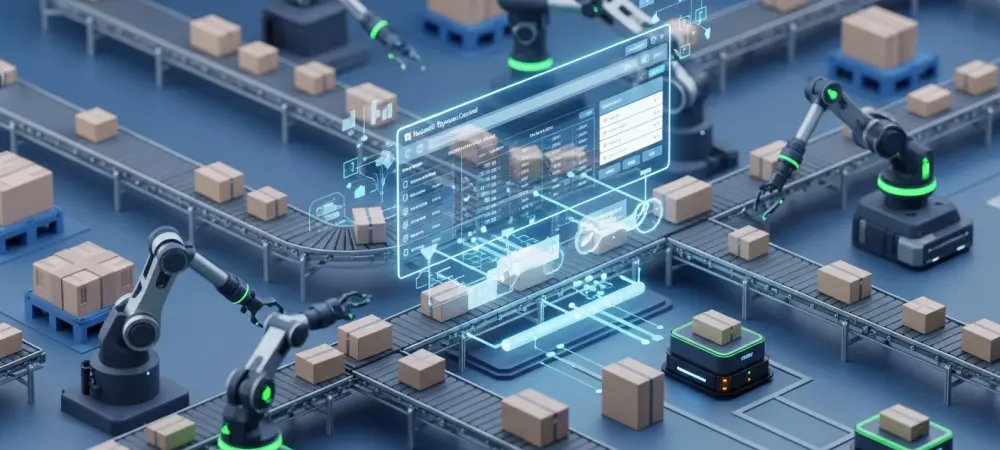
Modern logistics landscapes have shifted dramatically as Microsoft Dynamics 365 Business Central transitions toward an agentic ERP model where AI agents handle vast volumes of automated entries instantly. This acceleration at the front end of the business creates a glaring disparity between the speed of digital sales and the physical reality of the warehouse floor. While software can process thousands of transactions in seconds, the human and mechanical elements of fulfillment often lag behind, creating a bottleneck that threatens customer satisfaction. Without a robust mechanism to verify stock levels and coordinate logistics in real time, the sheer velocity of digital orders can quickly overwhelm warehouse staff. These employees frequently find themselves caught in a loop of manual reconciliation, trying to determine which orders can be filled and which must wait. Bridging this operational gap requires more than just faster data entry; it demands a specialized technological layer that translates digital promises into precise physical actions.
Addressing the Limitations: Navigating Standard ERP Constraints
Traditional fulfillment methods within a standard ERP framework often rely on manual vetting processes and external spreadsheets to manage the daily workflow. These legacy approaches are inherently prone to human error, leading to costly delays and missed shipping windows that damage brand reputation. Standard ERP functions generally lack the sophisticated logic required to handle high-volume environments effectively, as they cannot easily sort or filter orders based on multiple business priorities. Furthermore, tracking dynamic availability across hundreds of competing sales documents is nearly impossible without advanced automation. This transparency gap frequently results in the “double-promising” of inventory, where the same limited stock is inadvertently allocated to multiple customers at once. By moving away from these outdated manual processes, businesses can finally eliminate the need for physical clipboards and handwritten notes. Ensuring every order is backed by actual stock on hand is the only way to maintain a reliable fulfillment cycle today.
The lack of native synchronization between sales and the warehouse creates a situation where staff spend excessive time on administrative tasks rather than productive movement. This inefficiency is amplified when organizations attempt to scale their operations to meet the demands of modern commerce without upgrading their internal logistics. Most baseline systems are designed for transactional recording rather than proactive warehouse management, meaning they provide a reactive view of what has already happened instead of a predictive view of what needs to occur next. Consequently, warehouse managers are forced to manually decide which orders to release to the floor, often relying on intuition or simple chronological order rather than strategic necessity. This leads to a fragmented workflow where high-priority shipments might sit behind smaller, less critical orders simply because of their entry time. Overcoming these constraints requires a paradigm shift toward integrated fulfillment solutions that offer real-time visibility and control.
Strategic Execution: Autonomous Workflows and Next Steps
Modern fulfillment tools introduce a dynamic allocation engine that solves the issue of inventory transparency by earmarking specific items for specific orders. This creates a definitive and reliable “source of truth” within the ERP, preventing staff from promising the same inventory to multiple shipments across all channels. Once an item is allocated, it is effectively removed from the available pool, which is essential for maintaining accurate lead times and meeting customer expectations in an era of rapid delivery. Automation extends directly into the physical execution of picking and shipment creation, regardless of whether a facility utilizes simple storage bins or complex multi-bin configurations. An automated fulfillment worksheet can generate all necessary documentation the moment inventory is confirmed, streamlining backorder management by recognizing when new stock arrives. Instead of manually checking reports, staff are notified immediately, ensuring that products spend the minimum possible time sitting on shelves. This approach ensures that the warehouse team is always focused on orders that are ready to ship. The shift toward autonomous operations required a strategic integration of fulfillment tools that functioned seamlessly within the Business Central environment. By utilizing job queues and unattended processing modes, organizations successfully transformed their logistics into self-sustaining ecosystems that kept pace with rapid digital sales growth. These advancements allowed for the generation of warehouse picks and shipments on a set schedule without the need for constant human intervention or manual oversight. Decision-makers realized that securing their operations meant investing in technologies that could handle the massive influx of orders generated by AI agents. The implementation of these automated workflows provided a clear path toward long-term scalability and operational resilience. To achieve similar results, businesses found that prioritizing the adoption of dynamic allocation engines and automated worksheets remained essential. Evaluating existing warehouse bottlenecks and replacing manual sorting with rule-based logic proved the most effective strategy for maintaining a competitive edge in an increasingly automated marketplace.