

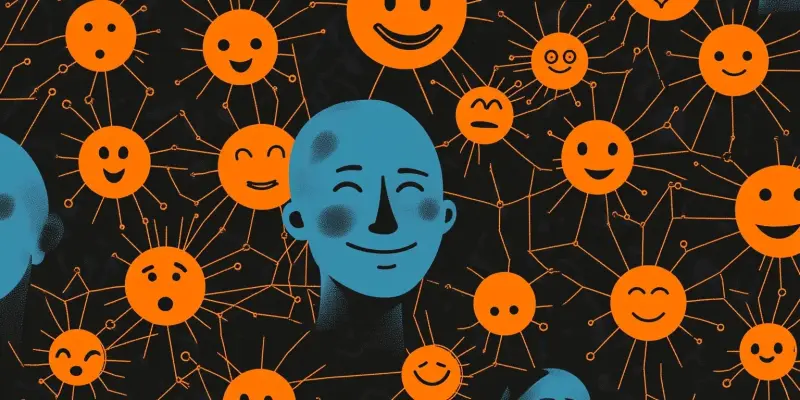
In an age where digital interactions dominate our daily lives, the concept of monetizing emotions through blockchain integration offers a novel approach to understanding and leveraging human experiences. Web3, the third generation of internet evolution, is known for its decentralized nature and enhanced security measures. It provides a fertile ground for innovation, particularly in how value is perceived and exchanged. TOX, a prominent platform in the Web3 traffic space, recently partnered with LuluChain, a company known for intertwining blockchain technology with emotional value, presenting a unique opportunity to rethink the intersection of technology and emotions.
The Emotional World Asset model developed by LuluChain stands at the core of this innovation. This model revolutionizes the way personal experiences are viewed by converting them into unique digital assets that hold significant value. Users can monetize their emotions through an immutable and decentralized framework designed to preserve these experiences. The rise of non-fungible tokens (NFTs) exemplifies how unique digital items can possess verifiable ownership recorded on the blockchain, and LuluChain applies similar principles to emotional experiences. As these digital assets are traded, users tap into the value associated with their emotional narratives, creating a new marketplace within the Web3 ecosystem.
Leveraging TOX’s Community-Driven Infrastructure
TOX’s collaboration with LuluChain aims to expand and refine the horizon for emotional asset trading, demonstrating how emotional experiences can be seamlessly transformed into tradable digital assets. By leveraging TOX’s robust blockchain expertise and community-driven infrastructure, the partnership is set to take the concept of emotional monetization to new heights. This integration not only adds value to personal emotional experiences but also enhances the overall engagement of users within the Web3 community. Blockchain’s inherent transparency and security offer a trustworthy platform for these emotional assets to be traded, ensuring the integrity and authenticity of each transaction.
The joint efforts symbolically mark the beginning of a dynamic journey where emotions and advanced technology coalesce. This unique blend seeks to meet the evolving needs of users, providing solutions that resonate both in terms of utility and emotional connection. As Web3 continues to shift paradigms in the digital world, the collaboration between TOX and LuluChain showcases the potential for innovative intersections that cater to an ever-expanding user base. By addressing the emotional dimensions of user interactions, the partnership highlights an entirely new dimension of value in the digital space.
Redefining Emotional Value in the Digital Era
The partnership between TOX and LuluChain stands as a testament to the need for innovative approaches in reshaping how emotions are valued and monetized within the digital era. This groundbreaking venture is expected to set a new precedent for consumer engagement and technological advancement within the Web3 landscape. By integrating heartfelt emotions with cutting-edge blockchain technology, both platforms are committed to delivering solutions that offer tangible benefits and foster emotional connection. This shift not only enhances user experience but also redefines the metrics by which digital interactions are measured and valued.
As the digital realm continues to evolve, the concept of monetizing emotions opens up new avenues for understanding, engaging, and valuing human experiences. TOX and LuluChain’s collaborative efforts illustrate the promising potential of emotional monetization, paving the way for future innovations that could expand this concept even further. By embracing such pioneering methodologies, the Web3 ecosystem is continually setting new standards for how technology can bridge emotional and practical values, ultimately leading to a more enriched and interconnected digital experience.