

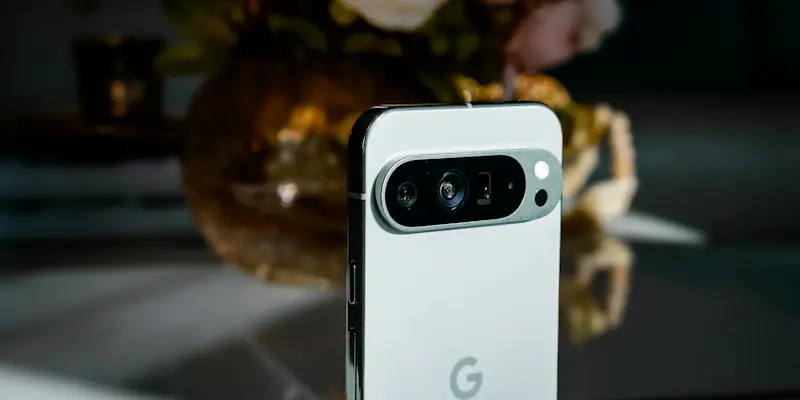
The rivalry between Samsung and Google in the Android market is heating up with the anticipated release of the Samsung Galaxy S25 series. As tech enthusiasts eagerly await the new Galaxy S25, comparisons with Google’s latest Pixel 9 are inevitable. This article delves into how the Samsung Galaxy S25 can potentially outshine the Google Pixel 9 in several key areas. It is important to explore these aspects objectively, focusing on hardware, performance, camera capabilities, display, design, and software experiences to provide a comprehensive analysis for potential buyers and tech aficionados.
Specifications Comparison
The Samsung Galaxy S25 is expected to come with a host of impressive specifications that could give it an edge over the Google Pixel 9. The rumored specs of the Galaxy S25 include a larger display size, higher resolution, and a faster refresh rate. These features are crucial for users who prioritize a superior visual experience. In terms of hardware, the Galaxy S25 is anticipated to feature the Snapdragon 8 Elite chipset, which is predicted to be one of the most powerful mobile processors available. This chipset could provide a significant performance boost compared to the Google Tensor G4 chipset found in the Pixel 9. Additionally, the Galaxy S25 is expected to offer more RAM and storage options, catering to power users who need ample space and speed.
Battery capacity is another area where the Galaxy S25 might excel. Although the Pixel 9 boasts a larger 4,700mAh battery, the efficiency of the Snapdragon 8 Elite chipset could help the Galaxy S25 deliver comparable, if not better, battery life despite its smaller 4,000mAh battery. This efficiency could be a decisive factor for users who rely on their smartphones for long periods without access to charging. These specifications highlight the potential of the Galaxy S25 to offer a more powerful and versatile performance across various aspects, making it a formidable competitor to the Pixel 9.
Processor and Performance
The processor is a critical component that can make or break a smartphone’s performance. The Samsung Galaxy S25’s rumored Snapdragon 8 Elite chipset is expected to deliver exceptional performance, particularly in AI processing and real-world usage scenarios. Historically, Snapdragon chipsets have outperformed Google’s custom Tensor chips, and this trend is likely to continue with the Galaxy S25. The Snapdragon 8 Elite chipset is designed to handle demanding tasks with ease, making it ideal for users who require a powerful device for gaming, multitasking, and other intensive applications. In contrast, the Google Tensor G4 chipset, while capable, may not match the raw power and efficiency of the Snapdragon 8 Elite.
Moreover, the Galaxy S25’s superior processing power could translate to faster app launches, smoother multitasking, and better overall performance. This advantage is particularly important for users who rely on their smartphones for productivity and entertainment. The Snapdragon 8 Elite’s proficiency in AI processing could also enhance various features, such as voice recognition, image processing, and battery optimization. These performance advantages underscore the potential of the Galaxy S25 to provide a more robust and efficient user experience compared to the Pixel 9.
Camera Capabilities
Camera performance is a major selling point for modern smartphones, and the Samsung Galaxy S25 is expected to shine in this area. Samsung has a history of equipping its devices with versatile camera systems, and the Galaxy S25 is rumored to continue this trend with the inclusion of telephoto lenses even on its baseline models. The telephoto lens provides an edge in zoom capabilities, allowing users to capture detailed shots from a distance. This feature is notably absent in the Pixel 9, which lacks a dedicated zoom lens. While Google’s Pixel series is renowned for its exceptional low-light photography and post-processing capabilities, the Galaxy S25’s versatile camera system could appeal to users who value hardware-based camera features.
Additionally, Samsung’s camera software is expected to offer a range of shooting modes and customization options, enhancing the overall photography experience. This versatility could make the Galaxy S25 a more attractive option for photography enthusiasts. The combination of hardware and software enhancements in the Galaxy S25’s camera system highlights its potential to deliver superior photographic performance compared to the Pixel 9.
Display and Design
Both the Samsung Galaxy S25 and the Google Pixel 9 are expected to offer high-quality displays, but there are key differences that could influence user preferences. The Galaxy S25 is rumored to feature an AMOLED display, while the Pixel 9 uses an OLED display. Both displays are expected to support a 120Hz refresh rate, ensuring smooth visuals. Samsung’s design philosophy typically emphasizes feature-rich and customizable experiences through its One UI. This approach allows users to tailor their devices to their preferences, offering a more personalized experience. In contrast, Google’s Pixel series is known for its sleek, stock-Android experience, which appeals to users who prefer simplicity and efficiency.
The design of the Galaxy S25 is also expected to be more premium, with a focus on aesthetics and build quality. This could make the Galaxy S25 more appealing to users who prioritize design and craftsmanship in their smartphones. The overall design strategy of both companies reveals their distinct priorities: Samsung seeks to offer a more opulent and customizable experience, while Google focuses on simplicity and streamlined design. These differences in design philosophy provide options for a diverse range of user preferences.
Software and User Experience
The Samsung Galaxy S25 is expected to run on the latest version of One UI, Samsung’s custom skin for Android, which is known for its extensive customization options and added features. One UI aims to enhance user experience with a range of settings and tools that allow users to personalize their devices. This customizability can be particularly appealing to power users who like to tweak their phone’s settings and interface to match their preferences.
On the other hand, the Google Pixel 9 is expected to offer a pure Android experience with Android 14. Google’s approach to software emphasizes simplicity, speed, and quick updates. The stock Android experience is often favored by users who prefer a clean and straightforward user interface without the added embellishments that come with custom skins. Google’s timely software updates also ensure that Pixel devices receive the latest features and security patches as soon as they are released.
In terms of software support, both Samsung and Google have made significant strides. Samsung has promised extended software support for its flagship devices, which includes several years of major OS updates and security patches. Google, traditionally known for its prompt updates, will continue to provide swift and continuous software support for the Pixel 9.
These differences in software philosophies mean that users will need to consider their personal preferences when choosing between the Galaxy S25 and the Pixel 9. While One UI offers a more feature-rich and customizable experience, stock Android provides a cleaner and more streamlined interface with quicker updates. Both approaches have their merits, and the choice ultimately comes down to what the user values most in their smartphone experience.