

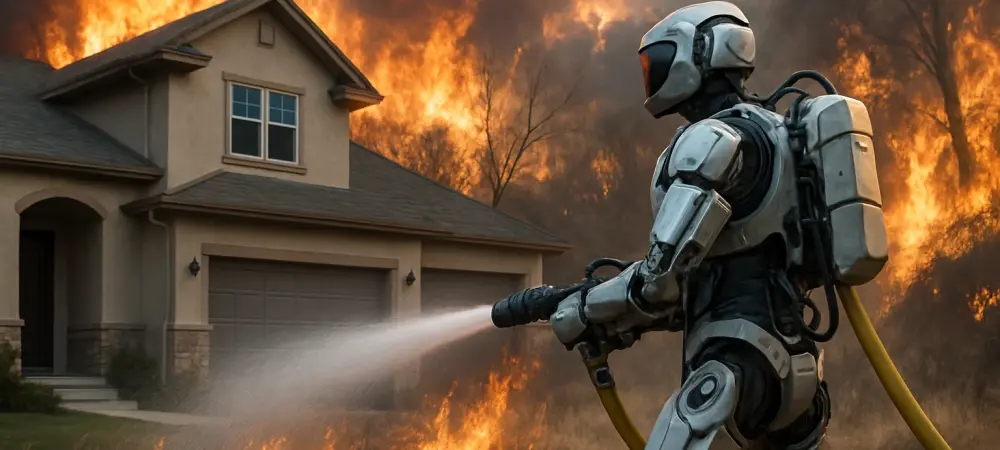
What if the key to rebuilding lives shattered by wildfires lies in the cold precision of robotic arms rather than the sweat of human labor? In Southern California, where flames have devoured entire communities, a staggering 200,000 residents of Los Angeles County were forced to flee their homes in early 2025, with over 16,000 structures reduced to rubble, according to Cal Fire. This devastation paints a grim picture, yet amidst the ashes, a spark of innovation emerges—a partnership between ABB Robotics and Cosmic Buildings that promises to revolutionize housing with speed, safety, and sustainability at its core.
The importance of this story cannot be overstated. As climate change fuels more frequent and ferocious wildfires, the need for resilient, affordable homes has never been more critical. The human toll is heartbreaking, with studies linking at least 440 deaths to these disasters in recent times. This collaboration between cutting-edge technology and compassionate design offers a lifeline to those who have lost everything, setting a potential standard for disaster recovery and sustainable living that could reshape construction across the globe.
A Bold Leap: Robotics as the Future of Housing
In the scarred landscapes of Southern California, traditional construction methods are being challenged by an unprecedented alliance. ABB Robotics, a titan in automation, has joined forces with Cosmic Buildings, a pioneer in modular housing, to tackle the housing crisis head-on. Their mission is clear: to build homes that not only withstand the fury of wildfires but also tread lightly on the planet, using technology as the cornerstone of recovery.
This partnership is more than a mere experiment; it’s a response to an urgent crisis. Families displaced by fires need shelter now, not years down the line. By leveraging robotic precision and digital planning, this initiative aims to deliver homes at a pace and cost that traditional methods simply cannot match, offering hope where despair once reigned.
The Urgency of Fire-Safe, Sustainable Solutions
The scale of destruction caused by wildfires demands immediate action. Beyond the staggering loss of property, the emotional and physical toll on communities is profound. Displaced residents face uncertainty, often living in temporary shelters while grappling with the trauma of losing their homes and, in many cases, loved ones.
Moreover, the environmental impact of rebuilding cannot be ignored. Traditional construction often contributes to carbon emissions and resource depletion, exacerbating the very climate issues driving these disasters. The push for homes that are both fire-resistant and eco-friendly is not a luxury but a necessity, aligning disaster recovery with the broader fight against climate change.
How Robotics Constructs Resilience
At the heart of this transformative effort lies ABB’s advanced technology, paired with Cosmic’s innovative onsite building model. ABB’s RobotStudio Digital Twin software allows for meticulous virtual simulations, ensuring every step of the construction process is planned with precision. Meanwhile, their IRB 6710 robots, capable of handling payloads between 175 and 210 kg, execute tasks with speed and accuracy unmatched by human hands.
Cosmic Buildings complements this with its microfactory approach, constructing homes directly at the site of need. This method slashes travel costs and construction timelines by 70%, while reducing expenses by 30%, making housing more accessible. Their designs incorporate non-combustible materials, graywater recycling, and solar energy systems with battery backups, ensuring homes are both safe from fires and kind to the environment.
In Los Angeles, the first microfactory has already begun targeting families hit hardest by recent wildfires. This real-world application demonstrates that high-tech solutions can meet pressing human needs, rebuilding not just structures but entire communities with resilience baked into every foundation.
Voices from the Ground: Stories of Hope and Innovation
Those at the forefront of this movement are vocal about its potential. A senior engineer with expertise in ABB’s systems remarked, “Robotics brings a level of accuracy and efficiency to construction that’s vital in crisis zones where time is of the essence.” This perspective underscores how technology can redefine what’s possible in rebuilding efforts.
Equally powerful are the voices of those directly affected. A resident who lost everything to the flames in Los Angeles shared, “Seeing a new, fire-safe home come together so fast—it’s like a weight lifting off my shoulders.” Cosmic’s commitment to donate one home for every ten built amplifies this impact, weaving a thread of compassion through their technological endeavors.
Data backs up these sentiments. The partnership’s cloud-based collaboration tools optimize resource use, ensuring no material or minute is wasted. These insights and stories together paint a picture of a future where innovation directly serves humanity’s most vulnerable, turning tragedy into opportunity.
Charting the Path: Steps for a Robotic Construction Revolution
For communities and builders eager to embrace this model, actionable steps are essential. Start by forging partnerships with tech leaders like ABB to integrate automation into local construction practices, focusing first on areas most at risk from natural disasters. This targeted approach maximizes impact where it’s needed most.
Next, adopt onsite microfactory systems as pioneered by Cosmic, launching pilot projects in high-need regions like Southern California to refine the process. Training programs must also be prioritized to equip workers with skills for handling robotic and AI-driven tools, ensuring a workforce prepared for this shift. Finally, push for updated building codes that incentivize sustainable materials and energy solutions, aligning policy with the fire-safe, eco-conscious designs already proving effective.
Looking back, the collaboration between ABB Robotics and Cosmic Buildings stood as a beacon of hope in a time of crisis. Their efforts in Southern California demonstrated that technology could rebuild lives with unprecedented speed and care. Moving forward, the challenge was to scale this model, ensuring that from 2025 to 2027 and beyond, more disaster-prone regions could benefit from such innovation. The path was clear: invest in partnerships, train the next generation of builders, and advocate for policies that support sustainable resilience, proving that even from ashes, a stronger, safer future could rise.