

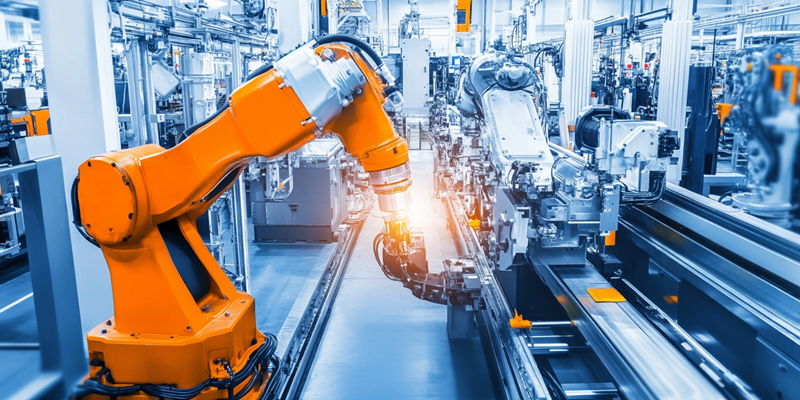
The integration of smart automation in manufacturing promises substantial gains in efficiency, precision, and productivity. However, the journey to achieving these benefits is fraught with challenges that can derail projects if not anticipated. Manufacturing enterprises are increasingly turning to AI-powered smart automation to stay competitive in today’s fast-paced industrial landscape. Yet, the path to a successful implementation is laden with potential missteps, including attempting to replicate human tasks with robots, ignoring system-level impacts, underestimating the need for a dedicated project champion, focusing solely on labor cost savings in ROI calculations, and not adequately preparing the workforce for these advanced systems. This article explores strategies to avoid these common pitfalls, offering insights that can guide manufacturers through a more effective deployment of smart automation.
Reimagining Processes Beyond Human Replication
One of the frequent mistakes in introducing robots into manufacturing is the attempt to replicate human tasks exactly. Manufacturing processes designed for human hands and intelligence do not translate seamlessly to robotic systems. Thus, rather than copying manual operations, manufacturers need to rethink and redesign processes to exploit robotic strengths. Robots excel in precision, the ability to apply consistent force, and perform repetitive tasks at high speeds without fatigue. For instance, in sanding processes, robots can apply higher and uniform pressure, use abrasives more efficiently, and complete tasks faster. This re-engineered process not only increases throughput but also enhances quality and reduces material costs.
Designing tasks that leverage these robotic strengths rather than forcing robots to mimic human actions can lead to superior outcomes in automation. An over-reliance on the attempt to replicate human actions frequently results in inefficiencies and underperforming robotic systems. Instead, manufacturers should leverage robots for their unique advantages. By focusing on what robots do best—consistency, precision, and speed—manufacturers can realize greater efficiencies. An example of this is in the welding process, where robots can perform precise and repetitive welds, reducing the likelihood of human error and variability, thus ensuring higher-quality products.
System-Level Integration: A Holistic Approach
Evaluating automation in isolation often leads to suboptimal results. The effectiveness of an automated process is interlinked with its position in the entire manufacturing workflow. Thus, a comprehensive view that considers upstream and downstream processes is crucial for a successful implementation. For example, an automated assembly line may face bottlenecks if the subsequent stages of production are not equally optimized, causing delays and inefficiencies. Similarly, inconsistencies or variances in preliminary processes can hinder the performance of automated systems, reducing overall productivity and product quality.
Manufacturers must adopt a system-level perspective, ensuring that each process integrates seamlessly with the overall workflow. This holistic approach mitigates bottlenecks and ensures that the automation benefits are fully realized across the entire production chain. Regular assessments and adjustments of the workflow can help maintain the harmony and efficiency of the integrated system. By addressing the interconnected nature of manufacturing workflows, companies can better manage the ripple effects that a single automated segment may have on the entire production sequence.
Championing the Automation Initiative
A key determinant of successful automation deployment is the presence of a dedicated champion—someone who advocates for the project’s long-term benefits and navigates through the challenges. Early stages of automation implementation can be particularly challenging, with unforeseen issues and teething problems potentially derailing the initiative. Having a champion who is committed to the success of the project helps in maintaining momentum and focus. This leader’s role extends from securing stakeholder buy-in, managing risks, to adapting strategies as situations evolve. Their belief in the long-term value of automation can inspire the team, ensuring persistence through initial setbacks.
Moreover, this champion facilitates communication between various stakeholders, aligning their goals with the automation strategy. A proactive leadership approach ensures that challenges are anticipated and addressed promptly, fostering a culture of innovation and continuous improvement. Communication and transparency are crucial; therefore, a dedicated leader who can bridge the gaps between different departments and interests will prove invaluable. Ultimately, having a single point of accountability ensures that the vision and execution remain aligned, greatly increasing the chances of successful automation deployment.
Comprehensive ROI Analysis: Beyond Labor Savings
When calculating the return on investment (ROI) for automation, a narrow focus on labor cost savings can lead to underestimating the full spectrum of benefits. While automation undoubtedly reduces labor costs, it also brings substantial savings in other areas that are often overlooked. For instance, automation can significantly cut down on consumable expenses by optimizing material usage. Additionally, automation reduces the need for frequent training, as the requirement for highly skilled manual labor diminishes. Lower worker injury risks due to reduced manual handling of hazardous tasks also contribute to cost savings.
Other benefits include the preservation of critical process knowledge, which is embedded in the software, thus reducing dependency on individual operators’ expertise. A comprehensive ROI analysis considering these factors provides a more accurate financial picture, supporting informed decision-making. Including these diverse savings not only paints a more realistic picture of automation’s benefits but also helps justify the upfront investment required for deploying these advanced systems. By expanding the scope of ROI calculations to encompass all potential savings and benefits, manufacturers can make better-informed decisions that go beyond immediate labor cost reductions.
Preparing the Workforce for Automation
The effectiveness of automation isn’t just about the machinery and software; it also depends on the workforce’s capability to interact with these systems. An intuitive user interface is vital, allowing operators to manage automated processes without needing extensive programming skills. Training programs are crucial, enabling the workforce to effectively operate and troubleshoot automated systems. Additionally, transitioning to automation should involve a strategy for using external service providers for maintenance, since developing in-house expertise can be both costly and time-consuming. AI-based prognostics and health management systems can aid in remote monitoring and maintenance support, minimizing downtime.
Creating a skilled and adaptable workforce ready to work with automated systems ensures the full potential of smart automation is realized. Continuous learning and support prepare employees for collaboration with robots, fostering an environment where human and machine synergies can flourish. Companies that invest in developing their workforce’s skills not only smooth the transition but also tap into human creativity and problem-solving abilities. This balanced approach can lead to unprecedented productivity and innovation.
Success in smart automation deployment requires an integrated approach that considers both technical and human factors. By rethinking processes, considering system-level impacts, having a dedicated advocate, conducting thorough ROI analysis, and preparing the workforce, manufacturers can navigate common pitfalls and fully maximize the transformative power of AI-powered automation.