

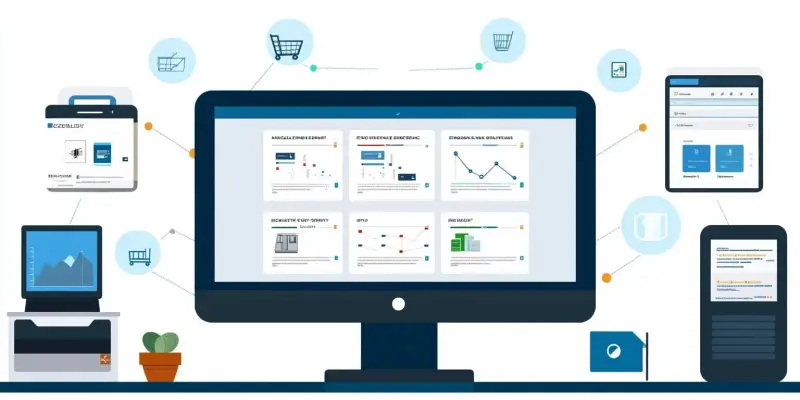
Businesses need to constantly optimize their operations to remain competitive in today’s fast-paced market. One vital aspect of this optimization is integrating ecommerce platforms with Enterprise Resource Planning (ERP) systems. This integration enables companies to streamline workflows, improve efficiency, and enhance customer experiences. Investing in the right ecommerce ERP system can automate key processes such as inventory management, order processing, and financial reporting, ultimately leading to business growth.
Identify Business Needs
The first step in integrating ecommerce and ERP systems is to identify the business needs for this integration. Start by determining the critical processes requiring synchronization, such as inventory updates, order management, and financial reporting. Knowing which aspects of your operations need improvement helps in selecting the most suitable ERP solution. For instance, real-time inventory tracking is vital for businesses to avoid overselling or stockouts.
By understanding the specific business requirements, you can better prepare for the integration process, ensuring a tailored solution that addresses unique operational challenges. The identification phase also allows businesses to set realistic goals and expectations, which are crucial for measuring the success of the integration. Considering aspects like order management, inventory updates, and accurate financial reporting makes the transition smoother, more efficient, and beneficial in the long run.
Another essential consideration during this step is understanding the limitations and inefficiencies of the existing systems. Manual data entry and isolated procedures often lead to errors and reputational damage. Recognizing these pain points enables businesses to prioritize integration efforts accordingly, ensuring a more streamlined and consistent workflow. This initial phase of identifying business needs lays the groundwork for a successful integration by highlighting the most impactful areas for improvement.
Select the Appropriate ERP System
Once business needs have been identified, the next crucial step is selecting the appropriate ERP system to meet those requirements. Among the various ERP solutions available, Microsoft Dynamics 365 Business Central ERP stands out due to its strong ecommerce integration features. It offers a scalable solution that can adapt to evolving business needs, ensuring long-term viability and effectiveness. Additionally, Microsoft Dynamics 365 Business Central ERP is known for its robust and seamless connectivity with leading ecommerce platforms.
When evaluating ERP systems, it is also essential to consider the flexibility and integration capabilities offered by potential solutions. For example, some ERP options come with built-in connectors or APIs that facilitate integration with ecommerce platforms like Shopify, WooCommerce, and Magento. This capability helps ensure that the selected ERP system will meet the unique requirements of your business while offering opportunities for further growth and optimization.
Another critical factor to consider is the support for multi-channel operations. Your ERP system must be capable of managing sales from various channels, including online stores, marketplaces, and Point of Sale (POS) systems. Opting for a system with strong multi-channel support ensures unified operations and seamless data management across different platforms. By thoroughly assessing these aspects and comparing various ERP systems, businesses can select the most suitable solution that aligns with their specific requirements.
Choose the Optimal Integration Method
The success of integrating ecommerce with ERP systems highly depends on selecting the optimal integration method. There are several approaches to achieve this, each with its advantages. One method is Direct API Integration, which enables immediate data exchange between ecommerce platforms and ERP systems. This approach ensures real-time synchronization of sales, inventory, and financial data, providing accurate and up-to-date information to support decision-making processes.
Another viable option is utilizing Third-Party Connectors. These tools, such as the Shopify connector for Microsoft Dynamics 365, offer pre-built integration solutions, reducing the time and effort required for implementation. By leveraging third-party connectors, businesses can ensure a smooth and efficient integration process while minimizing the risks associated with custom development.
Middleware solutions are also a practical choice for businesses looking to integrate ecommerce and ERP systems. Platforms like Boomi or Celigo act as intermediaries between ecommerce and ERP systems, enabling seamless data exchange. Middleware solutions provide an additional layer of flexibility and scalability, allowing businesses to adapt their integration approach as their needs evolve. By carefully evaluating these different methods and selecting the most suitable one, businesses can achieve a successful integration that supports their specific goals and requirements.
Execute the Integration
After selecting the optimal integration method, the next step is executing the integration process. This phase involves collaborating with ERP and ecommerce professionals to ensure smooth data synchronization and thorough testing before going live. Working with experts, such as Dynamics Square UK, can help businesses navigate the complexities of integration and ensure that all systems communicate effectively.
During the execution phase, it is essential to focus on accurate data mapping and synchronization. Ensuring that product information, inventory levels, order details, and financial data are correctly aligned between the ecommerce platform and the ERP system is crucial for a seamless operation. Careful planning and coordination with experienced professionals can help avoid potential issues and ensure a smooth transition.
Another important aspect of executing the integration is conducting comprehensive testing. Before fully integrating the systems, it is vital to perform rigorous testing to identify and resolve any inconsistencies or errors. By addressing these issues during the testing phase, businesses can minimize disruptions and ensure a more reliable integration. Once the integration is successfully executed, businesses can enjoy the benefits of streamlined operations, improved efficiency, and enhanced customer experiences.
Oversee and Improve
In today’s fast-paced market, businesses must constantly optimize their operations to stay competitive. One crucial aspect of this optimization is the integration of ecommerce platforms with Enterprise Resource Planning (ERP) systems. This integration allows companies to simplify workflows, enhance efficiency, and improve customer experiences. By investing in the right ecommerce ERP system, businesses can automate essential processes such as inventory management, order processing, and financial reporting. This automation not only streamlines operations but also facilitates significant business growth, enabling companies to respond swiftly to market demands and customer needs. Moreover, integrating these systems helps in minimizing manual errors and reducing operational costs. As a result, businesses can allocate resources more effectively and focus on strategic initiatives rather than getting bogged down by routine tasks. In the ever-evolving commercial landscape, leveraging ecommerce ERP integration is not just a smart investment but a necessity for sustainable growth and maintaining a competitive edge.