

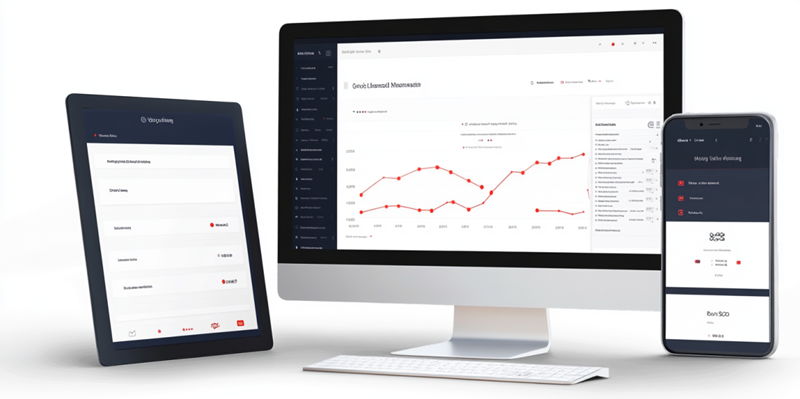
Food waste is a significant global issue, with approximately one-third of all food produced for human consumption being lost or wasted annually. This staggering statistic from the Food and Agriculture Organization (FAO) of the United Nations highlights the urgent need for innovative solutions to address this problem. One such solution is the implementation of Enterprise Resource Planning (ERP) systems in the food processing industry. ERP systems, such as Dynamics 365, offer a comprehensive approach to managing various aspects of production, ultimately reducing food waste and promoting sustainability. By integrating various functions like demand forecasting, inventory tracking, and supplier coordination, these systems enhance efficiency and reduce the chances of waste.
The Role of ERP Systems in Food Waste Reduction
ERP systems play a crucial role in minimizing food waste by centralizing the management of production processes and integrating various functions. Accurate demand forecasting is one of the key features of ERP systems that helps minimize food waste. By predicting market demand more precisely, food processors can optimize raw material procurement and avoid overproduction, thus reducing surplus inventory and ensuring that resources are used more efficiently. This approach not only conserves resources but also helps in maintaining an optimal stock level, which is crucial for sustainability.
Real-time inventory tracking is another essential component of ERP systems that significantly contributes to waste reduction. With enhanced visibility into inventory levels, expiration dates, and stock movements, food processors can ensure timely usage of raw materials, preventing spoilage and reducing waste. This proactive approach to inventory management is vital for maintaining product quality and reducing waste, as it allows companies to utilize their resources more efficiently and keep track of their inventory in real-time. Managing inventory effectively reduces the chances of products getting lost in the system and ensures everything is used before it expires.
Enhancing Supply Chain Efficiency with ERP Systems
Supplier collaboration is a critical aspect of reducing food waste, and ERP systems facilitate seamless communication and coordination across the supply chain. By streamlining interactions with suppliers, food processors can ensure timely and quality raw material procurement, minimizing delays and disruptions that can lead to waste. This smooth interaction not only ensures that raw materials are of superior quality but also makes sure they are delivered on time, reducing the chances of spoilage due to delays. Enhancing supplier collaboration means creating a more cohesive and efficient supply chain network that all stakeholders can benefit from.
ERP systems also support rigorous quality control measures, which are essential for minimizing subpar products and potential waste. By implementing stringent quality checks throughout the production process, food processors can ensure that only high-quality products reach consumers. Ensuring quality from the beginning of production to the end means less waste created by products that fail the quality test after completion. Data analytics is another powerful tool provided by ERP systems. By analyzing data from various production stages, food processors can identify inefficiencies and optimize processes to continuously improve waste reduction strategies.
Leveraging Technology for Waste Reduction
The article strongly advocates for the adoption of tech-based solutions, such as predictive analytics, automation, IoT-enabled equipment, and smart packaging systems, to reduce food waste. These technologies enhance efficiency and accuracy in production processes, further contributing to waste reduction. Predictive analytics and demand forecasting tools enable food processors to accurately predict market demand, optimizing raw material procurement and reducing overordering. This proactive approach can significantly reduce food waste and save substantial amounts of money annually by ensuring that only necessary quantities are produced, thus preventing excess inventory that could potentially go to waste.
Automation and robotics are also essential for boosting productivity and efficiency while reducing human errors that can lead to product defects and waste. By implementing automation technologies, food processors can improve productivity and reduce waste, achieving a dual benefit. Automation minimizes human errors, ensures consistency in production, and increases the overall efficiency of production lines. This means that fewer products are wasted because of mistakes, and the process of production becomes significantly smoother and more streamlined.
IoT and Smart Sensors in Food Processing
IoT-enabled equipment fosters interconnected manufacturing environments, allowing for real-time monitoring and control of production parameters. This technology enables food processors to optimize equipment performance, energy consumption, and product quality, leading to reduced waste. With IoT, any deviations from the set parameters can be instantly detected and corrected, preventing issues that could lead to waste. The ability to monitor production processes in real-time ensures that any problems are immediately addressed, which helps in maintaining quality and reducing the chances of waste.
Smart sensors play a crucial role in monitoring critical production parameters to ensure quality and safety. By detecting deviations promptly, these sensors help prevent waste that could result from undetected issues. This real-time monitoring capability is essential for maintaining high standards in food processing. Traceability systems are another important aspect of post-production waste reduction. These systems ensure that products can be tracked from production to distribution, enabling swift identification and containment of affected batches in case of a recall. This capability helps prevent extensive waste and ensures consumer safety by quickly addressing any quality issues.
Smart Packaging and Consumer Awareness
Smart packaging solutions, such as RFID tags and QR codes, provide consumers and retailers with information regarding product freshness and expiration dates. This information fosters responsible consumption and reduces the premature disposal of viable products, contributing to waste reduction by ensuring that products are used before they go bad. When consumers are better informed about the state of the products they purchase, they are less likely to throw them away prematurely. Providing this level of transparency ensures that products are consumed within their safe and optimal use-by date, and nothing is wasted unnecessarily.
Consumer awareness is a critical factor in minimizing food waste. By providing clear and accurate information about product freshness, smart packaging solutions empower consumers to make informed decisions and reduce waste. This approach aligns with the growing consumer demand for transparency and sustainability in the food industry. As consumers become more mindful of waste and better understand the environmental impact of their consumption habits, they are more likely to support sustainable practices and strive to reduce their contributions to waste.
Tackling Human Errors and Production Inefficiencies
Employee training is essential for minimizing human errors during the production process. Comprehensive training programs ensure that employees are well-equipped to handle various production tasks efficiently, reducing the likelihood of errors that can lead to waste. Proper training and education foster a better understanding of how to effectively use the ERP systems and other technologies implemented to minimize waste. This approach helps maintain a high standard of operation and reduces the chances of errors that could lead to the loss of products.
Rapid changeover technologies are also crucial for minimizing waste during production transitions. By implementing technologies that allow quick and efficient switching between product lines, food processors can reduce downtime and waste, enhancing overall efficiency. These technologies ensure that production continues smoothly with minimal interruption, reducing the chances of products being compromised or wasted during the process. Efficient changeovers mean that production lines can quickly adapt to different products without extensive delays or errors, maintaining a steady flow and minimizing waste.
Industry Collaboration for Sustainable Practices
Food waste is a major global issue, with around one-third of food produced for human consumption wasted each year. According to the Food and Agriculture Organization (FAO) of the United Nations, this alarming rate underscores the critical need for innovative solutions to tackle the problem. One effective method is the adoption of Enterprise Resource Planning (ERP) systems in the food processing industry. ERP systems like Dynamics 365 provide a comprehensive solution for managing various aspects of production, significantly reducing food waste and promoting sustainability. These systems help streamline operations by integrating key functions such as demand forecasting, inventory tracking, and supplier coordination. By enhancing efficiency and ensuring better resource management, ERP systems minimize the likelihood of waste. This comprehensive approach not only supports sustainability efforts but also contributes to the economic well-being of food processing businesses by ensuring that resources are used more effectively and waste is minimized.