

Setting the Stage for Warehouse Transformation
In an era where e-commerce demands are skyrocketing and customer expectations for same-day delivery are becoming the norm, warehouses face an unprecedented challenge: a severe labor shortage that threatens operational efficiency. Industry data paints a stark picture, with hundreds of thousands of warehouse positions projected to remain unfilled in the coming years, driven by high turnover and an aging workforce. This crisis compels distributors and logistics providers to seek innovative solutions that can maintain productivity without expanding headcount. Enter Microsoft Dynamics 365 Supply Chain Management, a robust platform designed to revolutionize warehouse operations through automation and digital transformation. This review dives deep into how this technology addresses modern warehousing hurdles with cutting-edge tools and integrations.
In-Depth Analysis of Key Features and Performance
Advanced Warehouse Management System (WMS) Capabilities
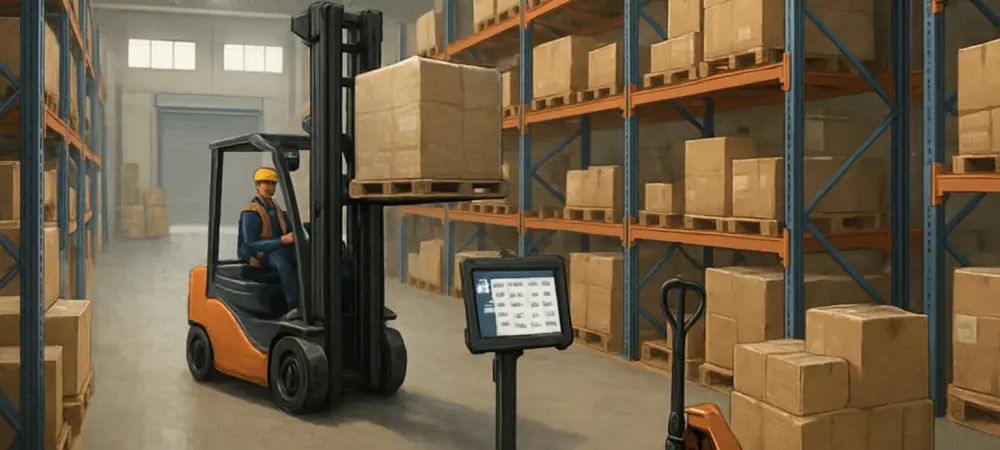
At the heart of Dynamics 365 lies its sophisticated Warehouse Management System, which streamlines critical processes such as receiving, picking, packing, and shipping. The system offers real-time inventory visibility, ensuring that stock levels are always accurate, while automated replenishment rules prevent shortages without manual intervention. Features like wave picking and mobile-enabled workflows allow workers to execute tasks efficiently on the floor, significantly reducing errors and boosting throughput. This level of digitization minimizes reliance on human effort for repetitive tasks, addressing labor constraints directly.
Beyond basic operations, the WMS integrates barcode and RFID technology to enhance tracking precision. Such tools enable seamless coordination across warehouse zones, ensuring that even a limited staff can handle high order volumes. The result is a marked improvement in operational accuracy, with many businesses reporting fewer misplaced items or delayed shipments after implementation. This functionality proves indispensable for distributors aiming to maintain service levels amidst staffing challenges.
AI-Driven Automation and Process Optimization
Another standout aspect of Dynamics 365 is its integration of artificial intelligence to drive automation and uncover operational inefficiencies. AI algorithms analyze historical data to predict demand spikes, enabling proactive resource allocation, while automation rules can reassign workloads dynamically to balance tasks among available staff. Predictive maintenance features also ensure equipment uptime by flagging potential issues before they disrupt operations, a critical advantage when labor is scarce.
This intelligent automation extends to decision-making processes, where the system suggests optimizations based on real-time insights. For instance, it can identify bottlenecks in picking routes and recommend adjustments instantly. By reducing the need for manual oversight, Dynamics 365 allows warehouse managers to focus on strategic priorities, effectively doing more with fewer resources and mitigating the impact of labor shortages.
Unified Visibility Across the Supply Chain
A defining strength of this platform is its ability to provide unified visibility across the entire supply chain, connecting warehouse activities with procurement, transportation, and sales. Real-time data access means managers can respond swiftly to disruptions, whether caused by labor gaps or unexpected demand surges. This interconnected ecosystem ensures that every department operates with the same accurate information, eliminating costly miscommunications.
Such transparency translates into faster decision-making and improved order fulfillment speeds. For example, tracking inventory movements alongside sales orders in a single dashboard helps pinpoint where delays might occur, allowing preemptive action. This capability is particularly valuable for businesses operating with lean teams, as it maximizes the efficiency of existing staff without requiring additional hires.
Integration with Emerging Technologies
Dynamics 365 stands out for its compatibility with cutting-edge technologies like IoT sensors and warehouse robotics. These integrations enable the creation of smart warehouses where inventory is monitored automatically, and routine tasks are handled by autonomous systems. This not only reduces manual labor needs but also enhances precision in tracking and handling goods, a boon for high-volume operations.
The platform’s flexibility to incorporate such innovations positions it as a forward-thinking solution. As automation trends continue to evolve, the ability to seamlessly adopt robotics or IoT solutions ensures that warehouses can scale operations without proportional increases in workforce. This adaptability is a key factor in maintaining competitiveness in a rapidly changing industry landscape.
Real-World Impact and Performance Metrics
Case Studies Demonstrating Tangible Results
Examining real-world applications reveals the transformative potential of Dynamics 365. A mid-sized U.S. distributor, previously reliant on manual processes like paper-based pick lists, implemented the system and saw remarkable gains. Order accuracy improved by a significant margin, picking speeds surged, and labor costs dropped—all without adding a single new employee to the payroll. These outcomes underscore the platform’s ability to optimize existing resources.
In another instance, a retail logistics provider leveraged the AI-driven insights to navigate seasonal demand peaks. By automating workload distribution and predicting inventory needs, the company maintained service levels despite operating with a reduced staff. Such examples highlight how the technology can turn traditional warehouses into efficient, resilient hubs of activity, even under constrained conditions.
Industry-Wide Relevance and Adoption
Across sectors like distribution, retail, and logistics, Dynamics 365 has gained traction as a go-to solution for overcoming operational hurdles. Its ability to cater to diverse needs—from small warehouses to sprawling distribution centers—demonstrates versatility. The platform’s impact is particularly evident in environments where consumer expectations for rapid fulfillment are non-negotiable, pushing companies to adopt digital tools that compensate for limited manpower.
Challenges in Deployment and Limitations
Implementation Barriers to Consider
Despite its strengths, deploying Dynamics 365 is not without challenges. Initial setup costs can be substantial, particularly for smaller businesses with tight budgets, and integrating the system with existing legacy software often requires technical expertise. Additionally, staff training is essential to ensure smooth adoption, as unfamiliarity with digital tools can slow down the transition and temporarily affect productivity.
Another hurdle lies in the complexity of customization. Tailoring the platform to specific warehouse needs may demand significant time and resources, potentially delaying the realization of benefits. While Microsoft provides robust support and regular updates, organizations must be prepared for an upfront investment in both finances and effort to achieve long-term gains.
Persistent Labor Issues Beyond Technology
It’s also important to acknowledge that technology alone cannot fully resolve the warehouse labor crisis. While Dynamics 365 reduces dependency on manual work, certain tasks still require human judgment or physical intervention, especially in unique or exception-based scenarios. The ongoing shortage of skilled workers means that even automated systems must be complemented by strategies to retain and upskill existing staff for optimal results.
Final Verdict and Path Forward
Reflecting on this evaluation, Dynamics 365 Supply Chain Management proves to be a game-changer for warehouses grappling with labor shortages and escalating operational demands. Its robust WMS, AI-driven automation, and seamless integration with emerging technologies deliver measurable improvements in efficiency and accuracy across various industries. The platform’s ability to unify supply chain visibility stands out as a critical enabler for swift, informed decision-making.
Looking ahead, businesses should consider strategic steps to maximize the value of this technology. Prioritizing comprehensive training programs will ensure staff can fully leverage the system’s capabilities, while phased implementation can help manage costs and minimize disruptions. Exploring partnerships with Microsoft experts for tailored integrations could further enhance outcomes. As the warehousing sector continues to evolve, adopting such innovative solutions will be pivotal in building resilient operations that thrive despite persistent challenges.