

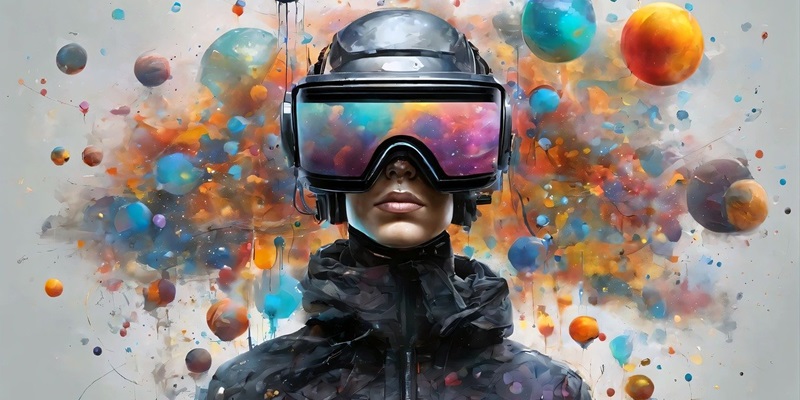
In an era where the craving for interactive experiences knows no bounds, digital innovations stand at the forefront of revolutionizing fan engagement in the media and entertainment sectors. Leveraging an array of digital tools and strategies, organizations are not only elevating the fan experience but are crafting a sustainable, interactive relationship with audiences that extends beyond the physical event. This article delves into the myriad ways in which digital technologies are utilized to enhance the journey of a fan, from the initial buzz of anticipation to post-event nurturing.
Pre-event Engagement: Building the Hype
The period leading up to an event presents a golden opportunity to generate excitement and set the stage for an engaging experience. With targeted social media campaigns, companies can tap into various fan demographics, utilizing personalized hashtags and content tailored to stir up enthusiasm. Strategic blogging can provide deeper insights and stories that resonate with the audience, fostering a connection even before the event starts. Interactive features like quizzes and contests can further amplify this hype, transforming passive observers into active participants and brand ambassadors.
Digital platforms can be skillfully used to build anticipation through personalized campaigns and exclusive content. The anticipation for the event can reach a fever pitch when fans feel a sense of belonging and excitement that is curated just for them. Blogs, social media posts, and bespoke teasers can shape the pre-event narrative, setting the expectation for something grand. Engaging fans via these channels is crucial, as it creates foundational engagement that thrives throughout the lifecycle of the event.
Streamlining the Experience: The Digitalization of Ticketing
Ticketing has gone digital, and with that shift comes a multitude of features designed to enrich the fan experience. Now, the simple act of purchasing a ticket serves as an entry point into the event’s world. Digital ticketing platforms can offer seat previews, reward early birds with discounts, and provide the capability of purchasing tickets through mobile devices. This not only adds convenience but also entices fans with a glimpse of the experience that awaits them.
The move to digital ticketing opens up a new realm of convenience and added value. Early-bird discounts incentivize prompt decision-making, while interactive seat previews create a tactile, virtual experience that transcends traditional ticket purchasing. These digital enhancements are more than mere conveniences—they are engagement tools that serve to cement the bond between fans and the event, long before the latter has even begun.
During the Event: Immersive Technologies
The zenith of fan engagement occurs during the live event, where immersive technologies like Augmented Reality (AR) and mobile apps that incorporate 3D avatars take center stage. AR wayfinding can transform the in-person experience, leading fans through sprawling venues with ease. Meanwhile, the integration of digital avatars allows remote audiences to feel a sense of presence and participation that bridges the gap between them and the event.
Forging unforgettable experiences through the use of technologies such as AR and 3D avatars is crucial in keeping both on-site attendees and remote viewers engaged. The NBA’s use of an AR app exemplifies how such technologies not only enhance the fan experience but also allow it to evolve in real time. By embracing such innovative engagement avenues, organizations are able to offer fans a new dimension of interaction that enriches the physical event.
Post-event Engagement: Extending the Narrative
The interaction with fans doesn’t conclude with the final applause. Media companies are increasingly focusing on ways to maintain the engagement momentum post-event. Exclusive merchandise offers and the burgeoning realm of NFT collectibles can transform a single event into a lasting memory. These personalized experiences ricochet the excitement of the event far into the future, encouraging a sustainable relationship with fans.
The digital architectures built for post-event engagement extend the life of the event experience. Personalized merchandise and NFTs offer a tangible connection to the event, allowing fans to claim a piece of the moment. By continuously communicating with fans through digital channels and rewarding their loyalty, the narrative of the event is sustained, fostering a deeper commitment that transcends the temporal boundaries of the original event.
The Role of AI and VR in Fan Experiences
Artificial intelligence and virtual reality are at the cusp of drastically altering the landscape of fan experiences. AI can tailor content recommendations to the individual, while VR creates spaces where fans can immerse themselves in virtual renditions of events. These technologies have the potential to redefine participation, bringing a layer of personalization and enhancement that traditional methods cannot match.
The exploration of AI-driven and VR-supported experiences presents a thrilling proposition. AI can not only personalize content but also anticipate fan preferences, creating a bespoke experience. VR, on the other hand, blurs the lines between physical and virtual, crafting spaces where fans can interact with the event and each other in profound ways. These advancements hold the promise of democratizing the event experience, making it more accessible and tailored than ever before.
Viewing Fans as Customers: The Business Perspective
At its core, fan engagement is also a commercial venture. Recognizing fans as customers with diverse interests and purchasing power is essential for media and entertainment businesses looking to capitalize on their digital strategies. High levels of interaction are not just about sustaining loyalty; they can significantly impact revenue, converting emotional bonds into profitable relationships.
Understanding a fan’s emotional journey and transforming it into purchasing behaviour requires a nuanced approach, blending digital ingenuity with business acumen. The passion a fan carries for an event or franchise is potent capital when leveraged through digital innovations. These strategies, when executed effectively, can bring new dimensions to the fan experience while opening streams of revenue that were previously untapped. This dual perspective serves as a compass, guiding the media and entertainment industry towards a future where fan engagement is more than an outcome—it’s a continuous, rewarding dialogue.