

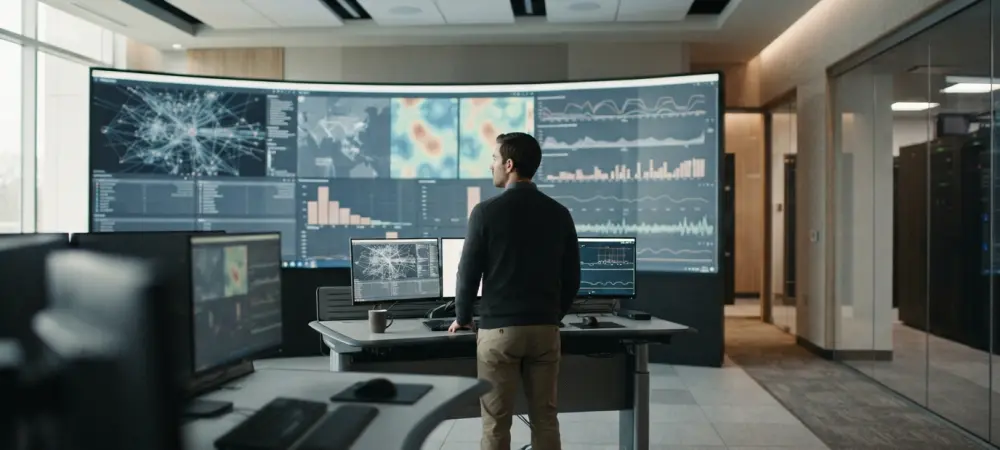
The rapid expansion of digital infrastructure has reached a threshold where simple cloud migration no longer serves as a valid substitute for a comprehensive environmental strategy. While hyperscale data centers offer superior cooling and renewable energy integration, the underlying data describing these benefits often remains obscured by layers of shared infrastructure. Bridging this gap requires a fundamental evolution in how enterprises view their digital footprint, moving from broad estimations toward precise, real-time observability. Only by understanding the physical impact of every line of code can a business truly claim to be operating in a sustainable manner.
The Shift from Efficiency to Transparency in Cloud Computing
Cloud computing has long been marketed as a greener alternative to on-premises infrastructure due to the economies of scale and optimized cooling systems of hyperscale data centers. These environments allow for higher server utilization rates that far exceed what a typical private server room can achieve. However, efficiency does not equate to transparency, and the lack of visibility into actual energy consumption has become a significant hurdle for modern IT departments. As organizations face increasing pressure to meet strict sustainability targets, the reliance on vague, high-level reporting from providers creates an “awkward reality” that prevents meaningful optimization.
This transparency gap stems from the way cloud resources are traditionally packaged and sold. Because the physical hardware is managed by a third party, the end user is often shielded from the raw energy metrics that define the environmental cost of their compute cycles. Carbon observability is emerging as a critical discipline to solve this problem, transforming how businesses measure, report, and optimize their digital environmental footprint. It involves moving beyond the passive acceptance of provider-led estimates and taking an active role in instrumenting applications for environmental performance.
Why Carbon Observability Is Essential for Modern Enterprise
The transition from passive reporting to active carbon management is no longer optional; it is a strategic necessity in the current technological landscape. By treating carbon as a technical variable, businesses can align their environmental goals with operational excellence. This approach treats energy consumption as a performance metric similar to memory usage or CPU cycles, allowing engineers to build systems that are inherently lean. When carbon is visible, it becomes a lever for innovation rather than just a number in an annual report.
Strengthening Corporate Accountability and Compliance
Regulatory frameworks are tightening globally, requiring firms to provide verifiable data rather than aggregated estimates that lack scientific rigor. Observability tools allow companies to move beyond speculative carbon accounting, providing the evidence needed for deep audits and transparent stakeholder reports. This granular level of detail is essential for avoiding allegations of greenwashing and for ensuring that environmental claims are backed by physical reality. In 2026, the demand for precision has reached a peak, as financial markets increasingly link capital costs to verifiable sustainability performance.
The shift toward mandatory disclosure means that legal and compliance departments now require the same level of precision for carbon data that they expect for financial statements. Traditional reporting methods, which often rely on monthly billing data and regional averages, are no longer sufficient to satisfy the requirements of modern regulatory bodies. By adopting advanced observability frameworks, organizations can capture real-time emissions data at the application level. This creates a robust audit trail that documents the environmental impact of every major digital initiative, ensuring the enterprise remains ahead of evolving legal standards.
Enhancing Cost and Operational Efficiency
Carbon intensity often correlates directly with energy waste, meaning that a high environmental footprint is frequently a sign of technical inefficiency. By identifying high-emission workloads, organizations frequently discover underutilized resources, redundant data transfers, or inefficient code that has been running unchecked. Reducing the carbon footprint of an application often leads to direct savings in cloud spend and improved system performance, creating a win-win scenario for both the planet and the balance sheet. Consequently, carbon observability serves as a powerful diagnostic tool for identifying hidden operational costs.
Engineers who gain visibility into the carbon intensity of their services are better equipped to make informed architectural decisions. For instance, a microservice that consumes excessive energy might be a candidate for refactoring or moving to a more efficient serverless architecture. This process of environmental optimization naturally leads to a more streamlined and responsive infrastructure. As a result, the pursuit of lower emissions acts as a forcing function for technical excellence, pushing teams to eliminate technical debt that contributes to both atmospheric carbon and unnecessary cloud expenditures.
Best Practices for Integrating Carbon Observability into Cloud Strategy
Bridging the visibility gap requires a move away from static monthly dashboards toward the dynamic, real-time integration of environmental metrics into the technology stack. This integration ensures that sustainability is not an afterthought but a core component of the software development lifecycle. By embedding these metrics into existing monitoring tools, teams can react to carbon spikes with the same urgency they apply to performance regressions or security vulnerabilities.
Implementing Granular Attribution for Multi-Tenant Environments
Organizations must move beyond general provider estimates and implement tools that can attribute energy consumption to specific workloads, applications, or departments. This involves using specialized algorithms to slice shared infrastructure usage into actionable data points, a task that is particularly challenging in the fluid environments of the modern cloud. Effective attribution requires a deep understanding of how virtual resources map to physical hardware, allowing for a precise calculation of the energy required to support each tenant.
Startups like Greenpixie and Climatiq are developing independent platforms that aggregate data from energy networks and infrastructure providers to solve this specific challenge. These tools allow enterprises to see the carbon impact of a specific AI training run or a high-traffic web application, enabling precise internal chargebacks and targeted optimization. By leveraging these third-party platforms, businesses can maintain a vendor-neutral view of their environmental impact. This level of granularity ensures that every department is held accountable for its own digital footprint, fostering a culture of responsibility across the entire organization.
Adopting Carbon-Aware Computing and Workload Scheduling
Carbon-aware computing involves shifting flexible, non-urgent tasks to times or regions where the electricity grid is powered by the highest percentage of renewable energy. This turns carbon intensity into an operational constraint similar to latency or budget, allowing for more intelligent resource allocation. By understanding the real-time carbon intensity of different geographic regions, companies can dynamically route their workloads to the “greenest” possible location. This does not just reduce reported emissions; it changes the actual physical impact of the compute process on the global energy grid.
A company may use AI-driven insights from providers like Open Climate Fix to predict when renewable energy production is peaking in a specific region. By delaying large-scale data backups or machine learning model updates to these specific windows, the organization reduces its actual physical impact on the environment without changing its underlying hardware. Moreover, this practice encourages a more balanced use of the power grid, helping to smooth out demand and support the broader transition to renewable energy sources. This proactive approach represents the frontier of sustainable cloud management, where software actively adapts to the state of the planet.
The Future of Sustainability as a Competitive Advantage
The digital management landscape reached a turning point where sustainability officially joined performance, availability, and cost as a fundamental pillar of operations. Carbon observability served as the essential catalyst that moved organizations from mere accounting to meaningful action, providing the transparency required to lead in a green economy. Companies that successfully integrated these metrics into their DevOps and cloud management workflows gained a significant edge over competitors who remained tied to outdated, static reporting methods. They transformed environmental responsibility from a compliance burden into a source of superior operational intelligence.
Those who pioneered these observability strategies found that they were better positioned to navigate the complexities of global energy markets and shifting regulatory requirements. They utilized granular data to refine their architectures, leading to systems that were not only cleaner but also more resilient and cost-effective. The integration of carbon metrics into the daily life of engineering teams fostered a new culture of innovation, where every technical decision was weighed against its environmental consequences. Ultimately, the adoption of these best practices proved that the future of cloud computing belonged to those who could balance digital growth with physical reality. These organizations led the way toward a sustainable digital economy by treating every kilowatt-hour as a precious resource to be managed with precision.