

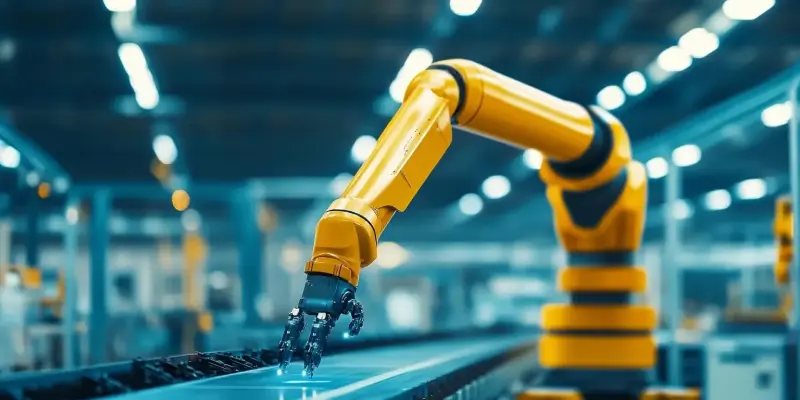
The future of manufacturing is being drastically reshaped as robotics and artificial intelligence (AI) revolutionize traditional production methods. Once reliant on manual labor, the industry is now experiencing an unprecedented transformation that offers enhanced efficiency, precision, and flexibility. These technological advancements are not just optimizing existing processes but paving the way for entirely new approaches to manufacturing.
Evolution of Manufacturing
In the initial stages of industrial manufacturing, human labor was the cornerstone of production. Workers performed repetitive tasks such as assembly and quality control, often resulting in errors and low efficiency. The introduction of mechanical systems marked the first shift toward automation. Machines began taking over simple tasks such as cutting and assembling, bringing about modest gains in production speed and consistency. However, these early mechanical systems still required significant human oversight for their operation.
The next significant leap came with the advent of programmable devices. These machines could follow coded instructions to perform more complex tasks, significantly improving factory efficiency and safety. Initially, these programmable units were used for specialized roles such as welding, painting, and lifting heavy loads, which were hazardous for human workers. This mechanization reduced risks associated with manual labor while improving the uniformity and quality of the final products.
Rise of Intelligent Systems
The integration of intelligent systems marked a pivotal moment in the evolution of manufacturing. These systems leverage extensive data analysis and machine learning algorithms to continuously refine manufacturing processes. Intelligent systems have taken over tasks that require intricate precision and adaptability, outperforming traditional methods by expertly analyzing past performance data to optimize future operations. For instance, robots tasked with organizing items can now evaluate weight, dimensions, and other variables to determine optimal stacking methods, thereby conserving space and preventing damage during transport.
The adoption of AI-enabled robots signified more than just automation; it introduced cognitive capabilities to manufacturing. These robots can adapt their actions based on real-time feedback, making them more efficient and reducing the likelihood of errors. This adaptive behavior is what sets intelligent systems apart from their programmable predecessors. Modern production facilities increasingly rely on these advanced systems for various functions, enhancing efficiency and minimizing errors in ways that were previously unattainable.
Modern Production Enhancements
Modern intelligent setups are pivotal in optimizing every aspect of manufacturing operations. These systems constantly monitor material and energy usage, making real-time adjustments to variables like machine speeds and operational temperatures. This allows factories to maintain peak efficiency and adapt quickly to changes in production demands. Unlike traditional manufacturing setups that produce a single product type all day, these intelligent systems offer unparalleled flexibility, allowing rapid shifts in production focus.
Advanced monitoring and decision-making technologies have immensely improved precision and product standards. These systems are capable of inspecting items at high speeds, identifying imperfections that might escape human oversight. This capability not only reduces errors but also ensures smoother processes by diagnosing and addressing the root causes of issues. Whether it’s improper settings or substandard materials, these technologies enable proactive problem-solving, thus preventing potential disruptions in the production line.
Anticipating maintenance needs is another crucial role of intelligent systems. They monitor machinery for signs of potential failure, enabling predictive maintenance. This proactive approach minimizes downtime, optimizes repair schedules, and extends the lifespan of the equipment, ultimately saving costs and improving overall efficiency. These advanced systems are indispensable in creating a seamlessly operating manufacturing environment.
Transformation of Factory Floors
Today’s manufacturing floors are unrecognizable compared to those of the past. Equipped with an array of devices designed for specific tasks, modern factories have seen a tremendous increase in adaptability and efficiency. These advanced systems are capable of making informed decisions in real time, thanks to the data and adaptive algorithms they utilize. This has significantly improved both the accuracy of production tasks and the overall workflow.
One notable innovation is the advent of palletizing robots, which have revolutionized product sorting and stacking. These robots optimize arrangements for efficient space utilization, ensuring faster and more secure shipments. The integration of AI across entire facilities has unlocked further potential for optimization. Sophisticated systems can assess information from every corner of a factory, identifying inefficiencies and recommending improvements that boost productivity while reducing waste.
The transformation extends beyond individual devices to encompass entire factory operations. By harmonizing various automated processes, companies can enhance their ability to respond to market demands swiftly. This holistic approach to smart manufacturing promises not just incremental improvements but revolutionary changes in how products are made, thereby setting new industry standards.
Overcoming Challenges
The transition to AI-powered manufacturing is not without its hurdles. One of the most significant technical challenges involves the compatibility of new AI systems with older equipment. This often results in high integration costs and complex decisions about whether to upgrade existing systems or opt for complete replacements. Factories must also ensure they have the necessary infrastructure to support rapid data processing, which is critical for the seamless operation of these advanced systems.
Another challenge is the impact on the workforce. The increasing automation of tasks raises concerns about job security among factory employees. However, this shift also creates a demand for new skill sets, particularly in management and troubleshooting. Companies are investing in training programs to equip workers with the expertise needed to oversee advanced systems. This not only helps in adapting to changes but also enhances the value of human workers who can handle complex issues beyond the scope of automated systems.
Ensuring Safety
As factories become more reliant on automated systems, ensuring safety remains a top priority. Clear guidelines and robust training programs are essential to prevent accidents caused by automated tools. Employees must be well-versed in handling advanced setups to ensure their own safety and the smooth operation of the systems. Additionally, protecting digital information is crucial, as the constant exchange of data among connected machines poses a risk of cyber threats. Robust cybersecurity measures are necessary to safeguard sensitive information and ensure uninterrupted operations.
The integration of smarter equipment capable of managing complex tasks independently is expected to become more prevalent in future factories. These advancements promise continuous improvements in task efficiency and overall performance, further revolutionizing the manufacturing industry. The focus is not only on making production faster but also on achieving higher levels of sustainability.
Looking Ahead
The future of manufacturing is poised to see even smarter equipment that can manage complex tasks with minimal human intervention. These advancements will enable better performance over time, enhancing task efficiency and overall productivity. Additionally, future equipment is expected to handle data more effectively at the source, leading to quicker reactions, improved privacy, and reduced delays in the production process.
Sustainable practices are gaining prominence in modern manufacturing. Businesses are increasingly focusing not only on faster production but also on achieving environmental sustainability. New methods are being developed to reduce energy usage, minimize waste, and promote efficient recycling. Innovations in reusable packaging and shipping techniques are also being implemented, providing better protection for products while reducing material use. These efforts demonstrate a commitment to creating greener production environments, aligning with global sustainability goals.
Conclusion
The landscape of manufacturing is undergoing a significant transformation due to the introduction and integration of robotics and artificial intelligence (AI). Where the industry once heavily depended on manual labor, it is now entering a new era marked by remarkable changes and advancements. Robotics and AI are not only tweaking existing production methods but also introducing groundbreaking ways to approach manufacturing tasks. These technologies bring a level of efficiency, precision, and adaptability never before seen. The era of traditional manufacturing is being rewritten as automated systems and intelligent machines streamline processes, minimize errors, and reduce waste. Moreover, AI’s ability to analyze vast amounts of data allows for predictive maintenance, ensuring higher operational uptime and cost savings. As a result, this technological leap is redefining what it means to produce goods, making operations smarter, faster, and more flexible, ultimately transforming the overall manufacturing landscape.