

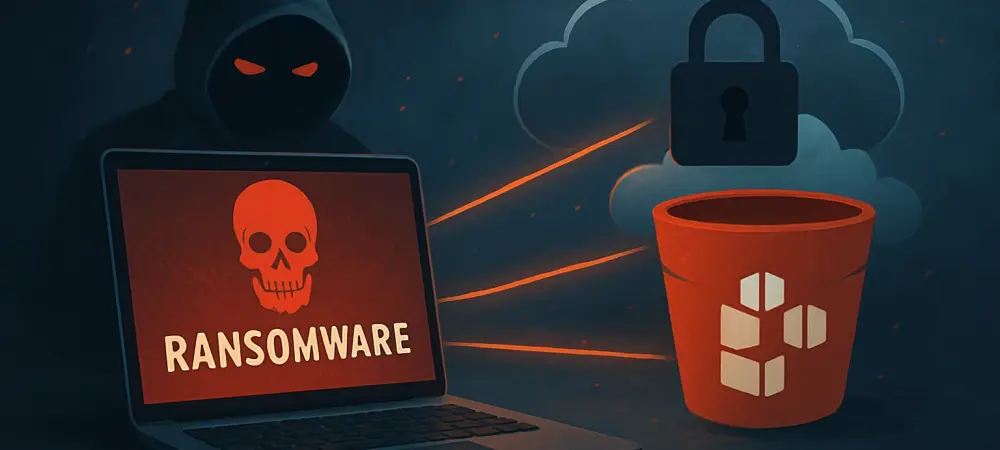
Let me introduce Dominic Jainy, a seasoned IT professional whose deep knowledge in cloud security and ransomware threats has made him a go-to expert in safeguarding digital assets. With a background in artificial intelligence, machine learning, and blockchain, Dominic has a unique perspective on how emerging technologies intersect with cybersecurity challenges. Today, we’re diving into the alarming rise of ransomware attacks targeting cloud storage environments like Amazon S3, exploring the clever ways attackers exploit misconfigurations, the devastating impact on businesses, and the cutting-edge defenses organizations can deploy to protect their data.
Can you walk us through a real-world scenario where ransomware targeted an Amazon S3 bucket, focusing on how attackers gained entry and the ripple effects on the affected business?
I’d be happy to share a case I encountered a while back with a mid-sized e-commerce company. The attackers got in through a set of leaked access keys that were accidentally pushed to a public GitHub repository by a junior developer—something as simple as a copy-paste error during a late-night coding session. Once inside, they scanned for S3 buckets with improper write permissions and disabled versioning, then encrypted the product catalog data using a customer-provided key method. The impact was brutal; the company couldn’t access critical inventory files for over a week, leading to halted sales, angry customers, and a loss of trust that lingered for months. I remember the panic in the IT team’s voices during our emergency calls—data is the lifeblood of e-commerce, and they felt utterly helpless without it. Ultimately, they had to rebuild from backups, but the downtime cost them dearly in both revenue and reputation.
Could you break down the Server-Side Encryption with Customer-Provided Keys (SSE-C) attack method, explaining how attackers lock victims out of their data and any insights on its prevalence or recovery challenges?
Certainly, the SSE-C attack is particularly nasty because it turns a legitimate cloud feature into a weapon. Here’s how it works: attackers first gain access to an S3 bucket, often through compromised credentials, and then use a locally stored AES-256 encryption key to encrypt the data via HTTP request headers or AWS command-line tools. AWS applies this key to secure the data but doesn’t store it—only a non-reversible HMAC of the key gets logged in CloudTrail, meaning neither the victim nor AWS can decrypt the data without the attacker’s key. After encryption, a ransom note like “ransom-note.txt” appears in the bucket, demanding payment. I’ve seen this method in a handful of cases over the past year, and recovery is a nightmare unless there are offline backups. The sheer irreversibility hits hard—imagine staring at terabytes of your own data, knowing it’s there but untouchable. It’s a stark reminder of why tight access controls and backup strategies are non-negotiable.
How do credentials or access keys often end up exposed, and could you share a story of how this led to a breach in an S3 environment?
Credential exposure is a pervasive issue, often stemming from human error or lax practices. Common scenarios include developers hardcoding AWS access keys into scripts and uploading them to public repositories like GitHub, or employees sharing credentials over unsecured channels like email or Slack. I recall working with a startup where a breach occurred because an intern, unaware of the risks, posted a configuration file with live keys to a public forum while seeking debugging help. Within hours, attackers used those keys to access an S3 bucket, encrypted critical customer data, and left a ransom note. The sinking feeling in the room when we realized the scope of the exposure was palpable—trust me, no one slept that night. Prevention-wise, I’ve seen success with tools that scan code for secrets before commits, alongside mandatory multi-factor authentication and regular key rotation. It’s about building a culture of vigilance.
With five distinct ransomware variants targeting S3 storage, can you dive into one or two of them, highlighting their unique tactics and any personal experiences with their impact?
Let’s focus on two notable variants. The first is the SSE-C method we discussed, which uses customer-provided keys to create unrecoverable encrypted data—it’s clinical in its precision, exploiting a native feature to lock out victims permanently. The second variant involves attackers leveraging customer-managed encryption keys with scheduled deletion timelines, where they encrypt data and set a deletion policy to wipe the originals after a short window, pressuring victims to pay quickly. I dealt with a client hit by this second tactic; the attackers encrypted financial records and set a 48-hour deletion timer, creating a ticking clock atmosphere that was incredibly stressful. We managed to mitigate some damage with backups, but the psychological toll of that deadline was immense. These variants differ in their urgency and recovery challenges, but both exploit configuration gaps ruthlessly, underscoring the need for proactive defenses.
How can security teams utilize CloudTrail logs to detect unusual SSE-C encryption activities, and what practical steps should they take to analyze this data effectively?
Using CloudTrail logs to spot SSE-C encryption anomalies is a powerful strategy, but it requires deliberate setup. First, ensure CloudTrail is enabled across all regions and configured to log management and data events for S3—many teams overlook this and miss critical activity. Then, set up real-time monitoring with AWS services like CloudWatch to alert on specific API calls, such as PutObject requests with SSE-C headers indicating a customer-provided key. Analyzing the data involves filtering for unusual patterns, like encryption requests from unfamiliar IP addresses or sudden spikes in activity outside normal business hours. I’ve worked with teams who struggled initially because their logs weren’t centralized, leading to delayed detection—imagine sifting through fragmented data while an attack unfolds. A practical tip is to use automated scripts to flag anomalies and integrate them with a SIEM tool for a unified view. It’s labor-intensive upfront, but the peace of mind when you catch an attack early is worth every minute.
Can you explain how organizations can block SSE-C encryption requests at the bucket level, and share an example where this configuration thwarted an attack?
Blocking SSE-C requests is a straightforward yet effective defense. Organizations can implement bucket policies or organization-wide SCPs (Service Control Policies) to deny PutObject actions that include customer-provided encryption headers, essentially stopping attackers from using this method. You’d write a policy in JSON format, explicitly denying requests with headers like “x-amz-server-side-encryption-customer-algorithm” set to AES256. I helped a financial services client set this up after they’d faced repeated scanning attempts on their S3 buckets. A few weeks later, their logs showed multiple denied PutObject requests from an unknown source—clear evidence of an attempted SSE-C attack being stopped cold. Seeing those “access denied” entries felt like a small victory, especially for a team that had been on edge. The key is testing these policies in a sandbox first to avoid disrupting legitimate operations, but once in place, they’re a solid barrier.
Attackers are using native cloud features to evade traditional security tools. What specific features are they exploiting, and how can companies adapt to detect these stealthy tactics?
Attackers are clever in exploiting native features like server-side encryption options and IAM role permissions to blend in with legitimate traffic. For instance, using SSE-C or manipulating bucket policies allows them to encrypt or delete data without triggering traditional malware alerts since no malicious executable is involved—it’s all API-driven. They also abuse overly permissive IAM roles to escalate privileges silently. To adapt, companies need to shift toward cloud-native security tools that monitor API calls and behavioral anomalies rather than just scanning for known malware signatures. I’ve seen success with solutions that baseline normal S3 activity—think typical upload/download patterns—and flag deviations in real time. One client caught an attack early because their monitoring flagged an unusual encryption spike from a new user account, averting a major loss. It’s about rethinking security as a dynamic, cloud-centric puzzle rather than a static perimeter.
Looking ahead, how do you envision the trend of ransomware targeting cloud environments like S3 evolving, and what can businesses do to stay a step ahead?
I see ransomware in the cloud space becoming even more sophisticated over the next few years, with attackers leveraging automation and AI to scan for misconfigurations at scale and tailor their encryption methods to specific industries. We’re already witnessing a shift from on-premises to cloud targets, and I predict a rise in attacks that combine data encryption with exfiltration, doubling the extortion pressure. Past patterns show attackers adapt quickly—think of how fast they moved from file encryption to cloud APIs once businesses migrated. Businesses can stay ahead by prioritizing least-privilege access, enforcing strict bucket policies, and investing in regular security audits to catch vulnerabilities early. I also urge adopting a robust backup strategy with offline copies—don’t just rely on cloud backups that attackers can target. Most importantly, foster a security-first mindset across all teams; I’ve seen too many breaches start with a simple oversight. What’s your forecast for the future of cloud ransomware threats?