

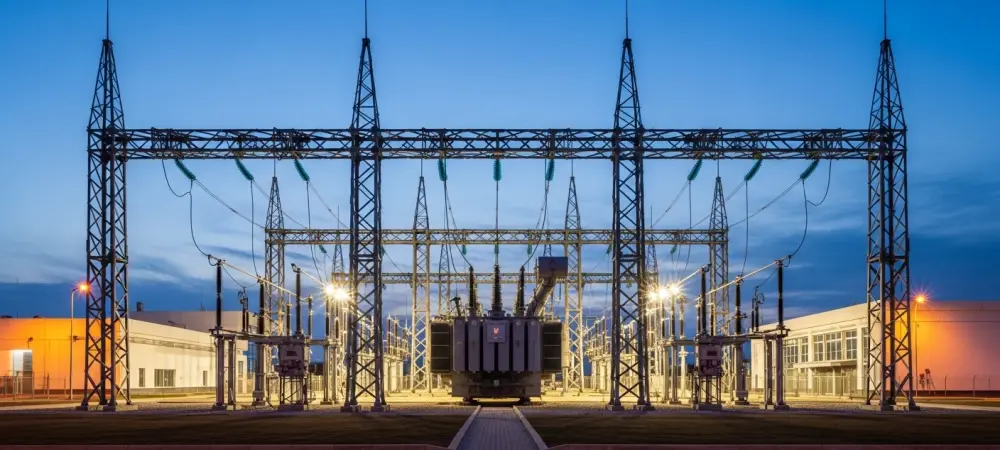
The vulnerability of the American electrical grid and water distribution systems has reached a critical juncture as state-sponsored actors refine their ability to manipulate the hardware governing our most basic daily necessities. Recent reports from the Cybersecurity and Infrastructure Security Agency highlight a sophisticated shift in tactics where Iranian-affiliated groups no longer seek merely to exfiltrate sensitive data but to cause tangible mechanical failures in the physical world. This evolution in digital warfare specifically targets the operational technology that acts as the nervous system for industrial environments, turning once-isolated utility networks into active battlegrounds for geopolitical influence. As these actors increasingly demonstrate their capacity to infiltrate and modify the logic of programmable controllers, the risk of a widespread service disruption becomes a matter of when rather than if. The current climate necessitates a total reevaluation of how federal agencies and private utility owners coordinate their defense.
Geopolitical Drivers and Technical Exploitation
The sudden intensity of these cyber incursions is fundamentally rooted in the volatile geopolitical landscape currently defining the relationship between the United States and various Middle Eastern powers. Analysis suggests that these digital campaigns act as a form of non-kinetic retaliation, often fluctuating in rhythm with military and diplomatic developments across the globe from 2026 to 2028. By targeting domestic infrastructure, these state-sponsored entities aim to exert pressure on American policy decisions through the threat of civil unrest or economic damage. Security specialists observe that even during periods of relative diplomatic calm, the probing of industrial networks continues unabated, suggesting that these groups are mapping the terrain for potential future deployment of more destructive payloads. This persistent state of digital friction has moved beyond traditional espionage into a realm where the integrity of a water treatment plant is viewed as a strategic lever. Technical investigations into recent breaches reveal a disturbing level of precision in how these attackers interact with supervisory control and data acquisition systems to deceive human operators. By successfully compromising the human-machine interface, malicious actors can display normal operating parameters on a technician’s screen while simultaneously overriding the actual physical instructions sent to the machinery. This specific type of manipulation is particularly dangerous because it bypasses traditional monitoring alerts, allowing for silent but potentially catastrophic changes to pressure levels or voltage outputs. The exploitation frequently focuses on vulnerabilities within widely used hardware from manufacturers such as Rockwell Automation, where legacy software often lacks the robust authentication protocols required to verify that incoming commands are legitimate. As these Iranian-linked groups refine their understanding of industrial protocols, they are increasingly capable of executing sequences that damage hardware.
Institutional Response and Long-Term Resilience
In response to this escalating threat profile, the federal government has strengthened the collaborative framework between the Department of Energy and private sector stakeholders through the Electricity Subsector Coordinating Council. This organization serves as a vital conduit for the rapid dissemination of actionable intelligence, ensuring that even small municipal utility providers receive the same level of threat awareness as major national energy firms. The shift toward a unified defense posture involves lowering the threshold for reporting suspicious network activity, which has allowed the Electricity Information Sharing and Analysis Center to detect patterns of reconnaissance that might have otherwise gone unnoticed. By centralizing the collection of telemetry from grid endpoints across the country, federal analysts can now identify broader campaigns targeting specific types of industrial hardware before they reach the execution phase. This collective approach emphasizes that grid security is only as strong as its weakest link.
Looking beyond immediate threat mitigation, the strategy for securing American infrastructure transitioned toward a model of inherent operational resilience that assumed the underlying network might already be compromised. Industry experts advocated for the implementation of zero-trust principles within industrial control environments, requiring every command sent to a programmable logic controller to undergo cryptographic verification before execution. This shift involved moving away from a perimeter-based security mindset toward one that prioritized the integrity of each individual component within the distribution chain. Utilities began investing in hardware-based security modules and monitoring tools that detect anomalies in the low-level logic of industrial computers. To ensure long-term stability, organizations conducted regular tabletop exercises to simulate the total loss of digital control, training staff to revert to manual overrides. These proactive measures provided a roadmap for neutralizing the impact of foreign aggression.