

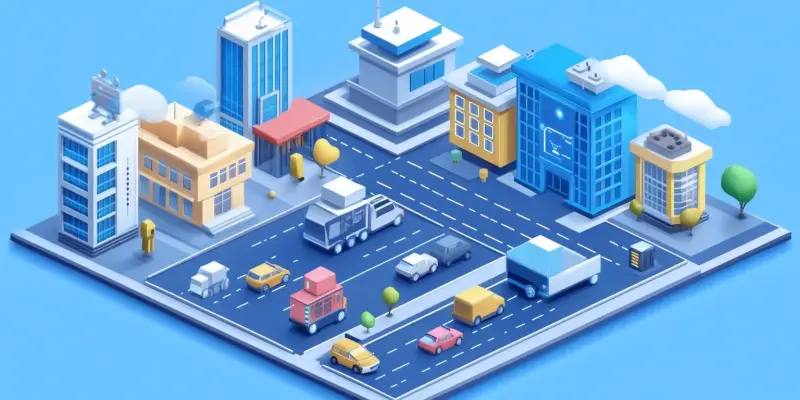
The rapid advancement of technology is transforming urban centers into smart cities, a concept that is no longer a distant vision but a present-day reality. The integration of the Internet of Things (IoT) and Artificial Intelligence (AI) is at the forefront of this transformation, addressing the multifaceted challenges posed by rapid urbanization and enhancing the quality of urban living. From environmental monitoring to intelligent traffic management, these technologies are streamlining urban management and making life in cities more efficient and sustainable.
The Backbone of Smart Cities: IoT Networks
IoT devices form the nervous system of smart cities, creating an interconnected network that continuously monitors and manages urban operations in real-time. These devices range from sensors embedded in public infrastructure to smart streetlights and environmental monitors. By collecting data on a continuous basis, they provide critical insights necessary for effective city management and planning. Real-time data collection aids in numerous areas, such as identifying water leaks through smart meters or monitoring air quality to make informed public health decisions.
This real-time collection of data enables cities to use resources more efficiently and make better, informed decisions. For example, smart water meters can quickly detect leaks, significantly reducing water wastage. Air quality sensors can monitor pollution levels continuously, informing both the public and policymakers of bad air quality events, leading to timely interventions and long-term strategies to reduce air pollution. This effectiveness extends to monitoring environmental conditions like noise and temperature, providing a comprehensive approach to urban management.
Data-Driven Insights for Urban Management
The sheer volume of data collected by IoT devices in a smart city necessitates the use of comprehensive data analytics platforms to derive actionable insights. These platforms are built to integrate various data sources, analyze vast datasets, and provide solutions to optimize urban management. One practical example is waste management. Data from smart waste bins can be analyzed to optimize collection routes, saving fuel and reducing emissions, thereby contributing to a city’s sustainability goals while also increasing operational efficiency. Such data-driven approaches ensure that urban resources are managed in the most effective and sustainable manner possible. Another application can be seen in energy management where, through real-time data analysis, cities can balance energy loads, reduce consumption during peak times, and shift to renewable energy sources efficiently. This data-centric approach enables city managers to make better decisions, ultimately enhancing the daily lives of urban inhabitants while reducing the environmental impact.
Enhancing Public Services Through Technology
IoT’s role goes beyond mere data collection; it actively redefines how public services are delivered, making them more efficient and responsive. Take smart streetlights, for instance. These high-tech fixtures are capable of adjusting their brightness based on pedestrian activity. By dimming when areas are less busy, smart streetlights conserve energy while enhancing safety in busy pedestrian zones.
Public transportation systems benefit significantly from these advancements as well. Real-time tracking of buses, trains, and subways minimizes the uncertainty for commuters by providing accurate arrival times, reducing wait times, and improving the overall commuting experience. Furthermore, smart parking systems guide drivers directly to available parking spaces, significantly reducing the time spent searching for parking and consequently cutting down on unnecessary emissions from idling vehicles.
AI: The Brain of Smart Cities
While IoT collects the data, AI serves as the brain that turns this raw data into meaningful actions, making cities smarter and more proactive. AI-driven systems can predict urban trends and optimize various facets of city planning and operations. For instance, predictive analytics enable proactive measures rather than reactive responses, paving the way for more efficient urban management.
AI-driven traffic management systems are a notable example of this transformation. They dynamically adjust traffic signals to reduce congestion, improving traffic flow and reducing commute times. Furthermore, intelligent surveillance systems enhance public safety by identifying potential threats through pattern recognition and promptly alerting authorities, making urban areas safer for residents and visitors alike.
Sustainability at the Core
Sustainability lies at the heart of smart city initiatives, aiming to reduce carbon footprints and promote resource efficiency. Technologies such as smart grids and energy-efficient buildings play a pivotal role in this effort. Smart grids enhance energy distribution by balancing loads and incorporating renewable energy sources like solar and wind power efficiently. Energy-efficient buildings employ smart systems to minimize energy consumption, using real-time data to adjust lighting, heating, and cooling systems based on occupancy and usage.
Data-driven waste management is another vital component of urban sustainability efforts. Smart waste bins provide critical data that helps cities optimize collection schedules and reduce fuel consumption, thereby minimizing emissions. Green transportation systems, such as electric vehicle charging stations, are also optimized based on real-time usage patterns, promoting the use of clean energy.
Global Case Studies: Real-World Implementations
Kansas City stands as a prime example of how smart city technologies can improve urban living. The city’s AI-driven traffic management system has significantly reduced traffic congestion and improved commute times for residents. By dynamically adjusting traffic signals based on real-time data, the system ensures smoother traffic flow and reduces the time vehicles spend idling, which in turn cuts down on emissions.
Singapore provides another compelling case study with its comprehensive sensor networks that offer real-time data on various aspects of urban life, from water management to public safety. These sensors allow the city to detect and respond swiftly to any arising issues, ensuring minimal disruption to city operations. The ability to monitor and manage such a wide array of urban challenges in real time makes Singapore a leading example of smart city implementation.
Addressing Challenges and Ensuring Inclusivity
Despite the numerous benefits brought about by IoT and AI, there are significant challenges that must be addressed to unlock their full potential. Chief among these are data privacy, cybersecurity, and the digital divide. Data privacy concerns arise due to the vast amounts of personal information collected by IoT devices. Ensuring this data is securely stored and used only for its intended purpose is critical to maintaining public trust in smart city technologies.
Equally important is addressing the digital divide to ensure that all citizens can benefit from these advancements. Without inclusive access to technology, smart city initiatives risk exacerbating existing social inequalities. It is crucial for city planners and policymakers to focus on making technology accessible to all, ensuring that every citizen, regardless of their socio-economic background, has the opportunity to benefit from IoT and AI-driven improvements.
Future Trends: 5G and Enhanced AI
Technological advancements are rapidly reshaping urban areas into smart cities, a concept that has shifted from a futuristic vision to current reality. The core drivers of this transformation are the Internet of Things (IoT) and Artificial Intelligence (AI), which are tackling the complex issues caused by rapid urbanization and improving the quality of life in urban settings. With IoT, a network of interconnected devices communicates and shares data, creating more efficient systems. AI, on the other hand, processes and analyzes this data to make real-time decisions that enhance city management.
Applications of these technologies are vast and varied. For instance, environmental monitoring systems use IoT sensors to track air and water quality, enabling cities to respond promptly to pollution issues. Intelligent traffic management utilizes AI to analyze traffic patterns and optimize signal timings, reducing congestion and commute times. Smart lighting adjusts to activity levels, saving energy while ensuring public safety. Waste management systems use AI to predict waste generation and optimize collection schedules, contributing to cleaner urban environments.
Ultimately, the amalgamation of IoT and AI in urban centers is not only addressing the challenges of growing populations but also paving the way for more efficient, sustainable, and livable cities. By converting data into actionable insights, these technologies streamline urban management and significantly elevate the urban living experience.