

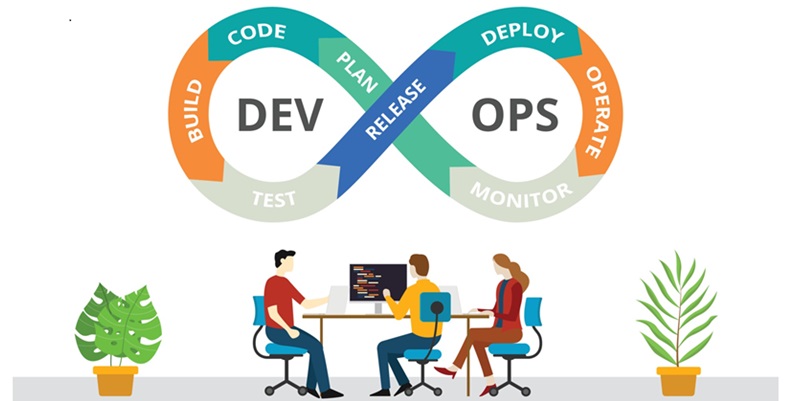
Software engineering continuously evolves with tools and methods that constantly adapt and improve. In the realm of DevOps, CI/CD frameworks are a prime example of this evolution, exhibiting significant transformations that have influenced best practices and the overall approach to software delivery. From the pioneering efforts of Flux to the Kubernetes-native innovations of Tekton, these changes reflect the industry’s relentless quest for better and more efficient processes. This article unfolds the journey through various CI/CD frameworks and how they are shaping the world of DevOps.
From Flux: The Genesis of Modern CI/CD
Flux has played a foundational role in what we now recognize as GitOps. By placing Git at the center of operations, Flux enabled teams to manage deployments and configurations declaratively. As a result, the Git repository stood as a ‘single source of truth,’ streamlining the deployment process and vastly improving stability and traceability.
Jenkins: The Reign of Extensibility
Then came Jenkins, an extensive CI/CD tool with an enormous plugin ecosystem. It allowed developers unprecedented flexibility and customization, becoming a standard in many development pipelines. Yet, the system’s complexity sometimes proved to be as much a handicap as it was an advantage, particularly as the industry moved towards more microservice-oriented architectures.
ArgoCD and GitOps: A Symbiotic Emergence
ArgoCD entered the scene, firmly aligning with the GitOps principles popularized by Flux, but with an enhanced focus on Kubernetes and application lifecycle management. Its emergence signified a shift towards streamlined, scalable, and user-centric CI/CD workflows.
Navigating Challenges with ArgoCD
Despite ArgoCD’s advancements, it was not without its challenges. The integration with Kubernetes demanded meticulous management to prevent configuration drifts and ensure the proper alignment between repository states and live environments.
Tekton: Ushering in the Kubernetes Era
Tekton presents another advancement as a Kubernetes-native framework, allowing for highly customizable tasks and pipelines. Its design, which fits seamlessly within the Kubernetes ecosystem, emphasizes scalability and integration, addressing the nuances of container orchestration head-on.
The Role of Large Language Models in CI/CD
With the advent of generative AI, including Large Language Models (LLMs), there is a growing fusion of AI capabilities and CI/CD processes. LLMs could serve as a vital tool in facilitating the transition and migration across different CI/CD frameworks, making the process smoother and more efficient.
The Need for Preliminary Setups in Modern Frameworks
Platforms like ArgoCD, while advanced, require significant initial setup. This requirement might be perceived as a hurdle, particularly when looking for low-code/no-code solutions. Still, the potential long-term benefits of robustness and adaptability in CI/CD processes offer a compelling argument for this investment.
Evolving CI/CD Reflecting Broader DevOps Trends
The shift from established frameworks to more sophisticated tools like ArgoCD and Tekton represents the industry’s eagerness to keep pace with the complexities of modern applications and cloud-native technology. This evolution goes hand in hand with a broader cultural shift in DevOps towards agility, resilience, and continuous improvement. Thus, these tools are not merely technological upgrades but rather signifiers of an iterative advancement in how we approach software development and delivery.