

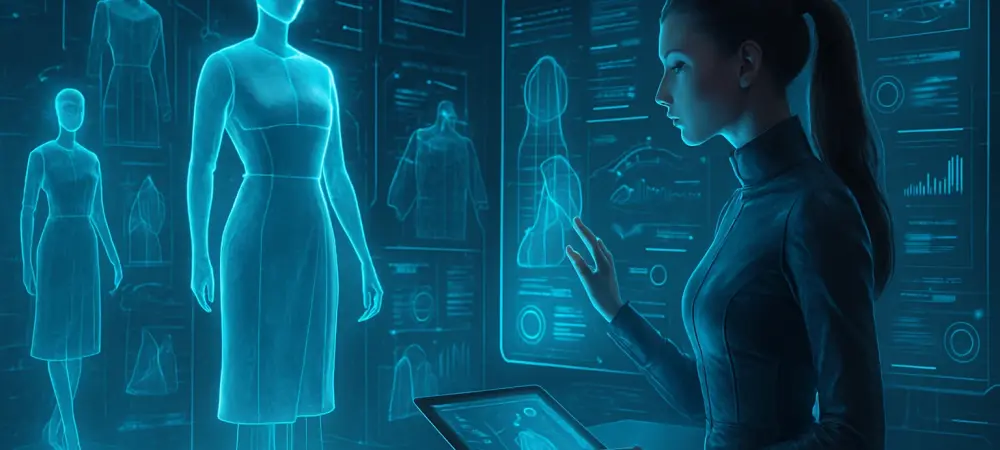
Welcome to an insightful conversation with Dominic Jainy, a seasoned IT professional whose expertise in artificial intelligence, machine learning, and blockchain is reshaping how we think about technology in various industries. With a keen interest in the intersection of digital innovation and fashion, Dominic offers a unique perspective on how these cutting-edge tools are transforming the way we design, shop, and experience style. In this interview, we dive into the rapid growth of the U.S. fashion e-commerce market, the role of AI in personalizing consumer experiences, and the delicate balance between technology and human creativity. Join us as we explore the challenges, opportunities, and future possibilities of digitalization in the fashion world.
How do you see digitalization shaping the future of the fashion industry in the U.S. over the next decade?
Digitalization is set to completely redefine the fashion industry in the U.S. over the next ten years. We’re already seeing a massive shift with the e-commerce market projected to grow from around $145 billion in 2025 to over $336 billion by 2032. This isn’t just about selling online—it’s about creating seamless, tech-driven experiences. Technologies like AI, augmented reality, and blockchain are streamlining everything from design to delivery. I believe we’ll see a deeper integration of virtual tools, like digital fitting rooms and AI-generated designs, that make shopping more interactive and efficient. It’s an exciting time, but it’s also going to demand adaptability from brands and consumers alike.
What specific technologies do you think will drive the most significant changes in this space?
AI is undoubtedly at the forefront. It’s already optimizing product catalogs and personalizing shopping experiences through recommendation engines and virtual try-ons. Beyond AI, augmented reality is making waves by allowing customers to “try on” clothes without stepping into a store. Blockchain also has potential, especially for transparency in supply chains—think verifying sustainable sourcing or authenticating luxury goods. These technologies aren’t just gimmicks; they’re solving real problems and enhancing how brands connect with their audience.
How are online marketplaces contributing to the explosive growth of fashion e-commerce?
Online marketplaces are a game-changer because they democratize access for both consumers and smaller brands. They’ve created a space where cross-border shopping is effortless, allowing U.S. consumers to buy from global designers with just a click. These platforms also leverage tech like AI to analyze user behavior and push relevant products, which boosts sales. For brands, marketplaces lower the barrier to entry—you don’t need a massive budget to reach a huge audience. They’re essentially fueling a cycle of accessibility and innovation that’s driving this market surge.
Can you break down how AI is being used to enhance the shopping experience for consumers?
Absolutely. AI is transforming shopping by making it hyper-personalized. For instance, algorithms analyze your past purchases, browsing history, and even social media activity to suggest items you’re likely to love. Virtual try-ons are another big win—using AI and AR, you can see how a dress looks on your avatar without ever touching the fabric. Chatbots powered by AI also provide instant customer service, answering questions or helping with returns. It’s all about reducing friction and making the experience feel tailored to each individual, which keeps people coming back.
What role does AI play in helping fashion brands better understand and predict customer needs?
AI is like a crystal ball for brands. It processes massive amounts of data—think purchase trends, search queries, and even sentiment from online reviews—to predict what customers might want next. For example, it can spot emerging trends by analyzing social media buzz and help brands stock up on the right products before demand spikes. This not only cuts down on overproduction and waste but also ensures brands stay relevant. It’s a powerful tool for staying one step ahead in a fast-paced industry.
How is AI being integrated into the design process and supply chain management within fashion?
In design, AI is becoming a creative partner. It can generate patterns or suggest color palettes based on trending data, speeding up the ideation phase. Some brands even use it to prototype collections virtually before producing a single piece. In supply chain management, AI optimizes logistics by predicting inventory needs, reducing delays, and identifying the most cost-effective shipping routes. This cuts costs and gets products to market faster. It’s not about replacing human creativity or decision-making but enhancing efficiency at every step.
What challenges do you think the fashion industry might face as it leans more heavily into digital platforms and AI?
One big challenge is data privacy. As brands collect more consumer info to personalize experiences, they risk backlash if that data isn’t handled securely. There’s also the issue of over-reliance on tech—AI can predict trends, but it can’t always capture the emotional or cultural nuances that drive fashion. Plus, the digital divide is real; not all consumers or smaller brands have access to these tools, which could widen inequality in the industry. Balancing innovation with inclusivity and trust will be critical.
How do you think the industry can address the paradox of consumers wanting both personalized products and high-tech solutions without losing the human touch?
It’s a tricky balance, but I think the key is using technology as an enabler, not a replacement. AI can handle the heavy lifting—like personalizing recommendations or streamlining production—while designers and artisans focus on the emotional storytelling that makes fashion special. Brands can also involve consumers in the process, like co-creating designs through digital platforms. The goal should be to blend tech efficiency with human connection, ensuring that personalization feels authentic rather than algorithmic.
What is your forecast for the role of AI in the fashion industry over the next five years?
I see AI becoming even more embedded in every aspect of fashion over the next five years. We’ll likely see smarter virtual assistants that can style entire outfits for you based on your preferences and body type. AI will also play a bigger role in sustainability, helping brands reduce waste by predicting demand with pinpoint accuracy. I think we’ll see AI move beyond being just a tool to acting as a true collaborator in design, potentially co-creating collections with human designers. It’s going to be fascinating to watch how this technology evolves and reshapes the industry’s landscape.