

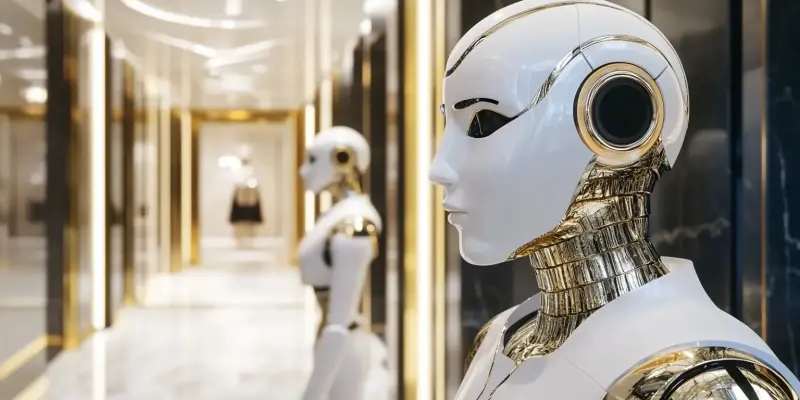
Artificial Intelligence (AI) and automation are ushering in a new era in the fashion industry, particularly transforming the luxury segment. These technologies are redefining how luxury brands operate, create, and engage with customers in ways that were previously unimaginable. With the integration of AI and automation, luxury fashion is evolving into a more efficient, creative, and customer-centric industry, while addressing pressing concerns such as sustainability and counterfeit products.
AI in Design and Creativity
Through advanced trend forecasting, AI analyzes vast datasets from social media, runway shows, and consumer behavior to identify emerging trends. This allows designers to stay relevant while maintaining their unique brand identity. By leveraging AI-powered tools like Heuritech and WGSN, luxury brands such as Louis Vuitton, Gucci, and Hermès can gain valuable insights into popular color palettes, materials, and shapes, ultimately shaping their upcoming collections.
Generative design tools powered by AI, such as Adobe Firefly and Runway ML, are enabling designers to explore new creative possibilities. These tools generate unique patterns and designs based on input criteria, expediting the design process and fostering innovation. Luxury brands can now create bespoke, limited-edition handbags tailored to niche markets. For example, a designer can input preferences for certain materials and colors, and the AI tool will generate multiple design options, each offering a unique interpretation. This level of customization allows luxury brands to cater to diverse consumer tastes and preferences, further solidifying their status as trendsetters in the fashion world.
With AI’s ability to analyze and interpret vast amounts of data, designers can now access a wealth of inspiration from diverse sources, including historical fashion archives and contemporary art. This expanded creative palette enables designers to push the boundaries of traditional fashion and introduce groundbreaking designs that captivate consumers. By combining AI’s analytical capabilities with human creativity, luxury brands can consistently deliver innovative and visually stunning collections that resonate with their discerning clientele.
Automation in Manufacturing and Production
Automation is revolutionizing the manufacturing process in the luxury fashion industry. It brings unparalleled precision in tasks like cutting leather, stitching, and assembling components, thereby improving production efficiency and consistency in quality. Luxury brands like Chanel and Hermès are leveraging robotic systems for repetitive tasks, allowing artisans to focus on intricate details. The integration of automation not only streamlines production but also enhances the overall craftsmanship of luxury products.
Sustainability is another significant benefit of automation. AI algorithms optimize material usage and reduce waste by determining the most efficient ways to cut leather patterns. Automated systems also monitor energy consumption and emissions, promoting eco-friendly manufacturing processes, which aligns with the growing consumer demand for sustainability. By adopting AI-driven solutions, luxury brands can achieve a delicate balance between maintaining their exquisite craftsmanship and embracing sustainable practices. This commitment to sustainability resonates with environmentally-conscious consumers, further enhancing brand reputation and loyalty.
Automation in manufacturing enables luxury brands to scale their production while maintaining the highest standards of quality. By removing the variability associated with manual labor, automated systems ensure consistent output, minimizing defects and rework. This level of precision is especially crucial in the luxury segment, where even the slightest imperfections can impact brand perception. Automation not only enhances efficiency but also allows luxury brands to meet increasing demand without compromising on quality, ensuring that each product embodies the brand’s signature excellence.
Enhancing Retail and Customer Experience
AI is transforming the retail experience by providing personalized shopping experiences. By analyzing customer data, AI offers personalized recommendations, enhancing the shopping journey. Brands like Gucci and Louis Vuitton use AI chatbots and virtual assistants to improve customer service, offering product suggestions and styling advice. This level of personalized interaction not only enhances customer satisfaction but also fosters brand loyalty by creating a seamless and tailored shopping experience.
Virtual try-ons and customization are also becoming increasingly popular. AI and AR technologies enable customers to visualize products before purchasing, reducing the likelihood of returns and enhancing satisfaction. Additionally, AI-driven customization allows customers to personalize their handbags, catering to their desire for individuality and self-expression. For instance, customers can choose from various materials, colors, and hardware options to create a handbag that reflects their unique style. This level of customization elevates the luxury shopping experience, making it more engaging and memorable for consumers.
AI is revolutionizing online retail by improving the accuracy of product recommendations. By analyzing customer preferences and purchase history, AI algorithms can suggest products that are more likely to resonate with individual shoppers. This personalized approach not only increases the likelihood of purchase but also enhances the overall customer experience. Luxury brands are leveraging AI to create intuitive and user-friendly e-commerce platforms that cater to the unique tastes and preferences of their clientele. By combining advanced AI technologies with a deep understanding of their customers, luxury brands can offer a seamless and enjoyable shopping journey, both online and in-store.
Combating Counterfeits with AI
Counterfeit products pose a significant challenge in the luxury market, but AI is proving to be a powerful tool in combating this issue. Brands like Chanel and Hermès use AI algorithms to authenticate products by analyzing details such as stitching patterns and logos. This ensures the authenticity of luxury items and protects brand integrity. AI’s ability to detect even the slightest discrepancies helps brands maintain their reputation for exclusivity and quality, deterring counterfeiters and safeguarding consumers from purchasing fake products.
AI also enhances supply chain transparency. By integrating with blockchain technology, AI creates digital records of a product’s origin and manufacturing process. This helps in tracking products from production to purchase, assuring consumers of the authenticity of their purchases and further combating counterfeiting. Consumers can now access detailed information about the journey of their luxury items, from raw materials to the final product. This level of transparency builds trust and confidence, reinforcing the value of genuine luxury goods.
AI-driven authentication systems are constantly evolving to stay ahead of counterfeiters. Advanced machine learning algorithms can continuously learn and adapt to new counterfeit tactics, ensuring that authentication methods remain effective and up-to-date. By leveraging AI, luxury brands can create robust and dynamic defense mechanisms against counterfeit products, preserving their brand reputation and ensuring customer trust. As counterfeiters become increasingly sophisticated, the ongoing development and implementation of AI technologies will be crucial in maintaining the integrity of the luxury fashion industry.
Future Potential of AI and Automation in Fashion
The future potential of AI and automation in luxury fashion is immense. Hyper-personalization could allow brands to create highly personalized handbags tailored to individual preferences, body measurements, and lifestyles using technologies like 3D body scanning and AI algorithms. This level of customization would enable luxury brands to offer products that are not only unique but also perfectly suited to each customer’s needs, further enhancing the appeal of luxury fashion.
On-demand production is another promising development. Automation could enable systems where products are manufactured only after an order is placed, reducing overproduction and waste. This meets the rising demand for sustainable fashion and aligns with the industry’s move towards more eco-friendly practices. By adopting on-demand production, luxury brands can minimize inventory costs and reduce their environmental footprint, contributing to a more sustainable and responsible fashion ecosystem.
AI-driven sustainability will continue to evolve, assisting brands in achieving their sustainability goals. AI can optimize recycling processes, identify eco-friendly materials, and predict the environmental impacts of various production methods, further promoting sustainable fashion practices. As consumer awareness of environmental issues grows, the adoption of AI-driven sustainability initiatives will be essential for luxury brands to remain relevant and competitive in the market. By embracing innovative technologies, luxury brands can lead the charge towards a more sustainable and ethical fashion industry.
Conclusion
Artificial Intelligence (AI) and automation are revolutionizing the fashion industry, particularly transforming the luxury segment. These cutting-edge technologies are reshaping the way luxury brands operate, design, and interact with their customers, achieving capabilities that were once considered beyond reach. By integrating AI and automation, the luxury fashion scene is evolving to become more efficient, creative, and customer-focused. These advancements enable brands to craft personalized experiences and designs, streamline operations, and optimize supply chains. Furthermore, AI and automation are addressing critical issues such as sustainability by enhancing resource management and reducing waste. They are also playing a pivotal role in combating counterfeit products, allowing for more reliable authentication processes. In doing so, the luxury fashion industry is not only improving its operational aspects but also elevating its overall brand value and customer trust. Thus, the fusion of technology and fashion is paving the way for a more innovative, sustainable, and sophisticated future in luxury fashion.