

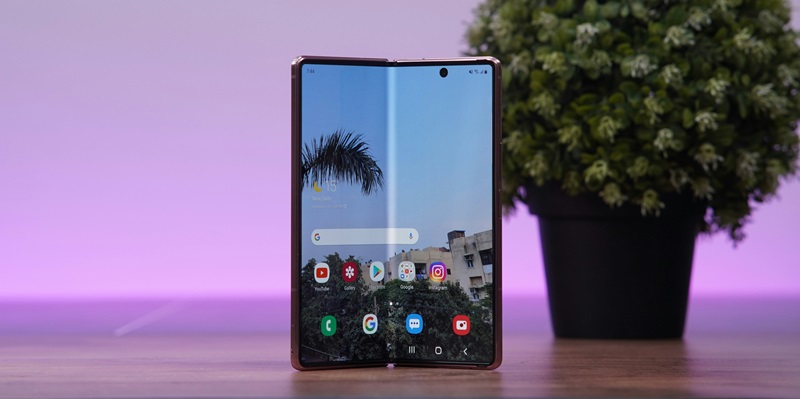
In an exciting development for smartphone enthusiasts, the highly anticipated Honor Magic Vs3 is set to be officially announced on July 12, 2024. The phone, regarded as a cost-effective alternative to the premium Honor Magic V3 announced earlier, is positioned to attract a broader audience by offering advanced features at a more accessible price point. The Honor Magic Vs3 will serve as a successor to the well-received Honor Magic Vs2, which hit the market in October 2023. The official renders have already piqued interest by showcasing a design that departs noticeably from both the Magic V3 and Vs2 models. Notable differences include a wider rectangular camera island on the back, adorned with a distinct silver band accentuating the periscope lens, accompanied by an external flash.
The front design of the Honor Magic Vs3 retains the centered punch hole for the selfie camera while the bezels remain largely unchanged, giving it a familiar aesthetic. Available in Black, Green, and White, the Magic Vs3 will offer storage options of 256GB, 512GB, and an impressive 1TB, catering to various user needs. Despite its appealing design and storage capacities, there are expected trade-offs that help maintain this model’s affordability. For instance, the Vs3 may lack some of the premium features found in its more expensive counterpart, the Magic V3. Features like a silicon-carbon battery and the latest flagship processor are likely to be omitted, illustrating Honor’s approach to differentiating product tiers while keeping design coherence across their foldable lineup.
Strategic Market Positioning
Honor’s introduction of the Magic Vs3 fits neatly within broader industry trends where manufacturers like Samsung and Xiaomi also offer a range of models to suit varied consumer needs and budgets. This diversified approach helps companies remain competitive while appealing to a larger demographic. By excluding some high-end features, the Vs3 can offer a more budget-friendly yet advanced alternative within the foldable smartphone segment. The market for foldable devices has been growing swiftly, and with competitors constantly innovating, Honor’s strategic move is a testament to the brand’s adaptability and keen market awareness. The company’s decision to maintain similar designs across different tiers allows for brand recognition and a familiar user experience, while the modifications in features help distinguish between price points effectively.
Design and Specifications
In a thrilling update for smartphone aficionados, the eagerly awaited Honor Magic Vs3 is poised for its official unveiling on July 12, 2024. This device is marketed as a budget-friendly alternative to the premium Honor Magic V3, announced earlier, aiming to entice a wider audience by offering high-end features at a more reasonable price. As the successor to the popular Honor Magic Vs2, released in October 2023, the upcoming Honor Magic Vs3 has already sparked interest with its official renders. These images reveal a design significantly different from both the Magic V3 and Vs2 models. Key differences include a broader rectangular camera module on the back, highlighted by a unique silver band accentuating the periscope lens, paired with an external flash.
The front design retains the centered punch hole for the selfie camera, while maintaining similar bezels, delivering a familiar look. Available in Black, Green, and White, the Magic Vs3 will be offered in 256GB, 512GB, and an impressive 1TB storage option, catering to diverse user requirements. Nevertheless, to keep this model affordable, some premium features found in the more expensive Magic V3, such as the silicon-carbon battery and the newest flagship processor, are likely to be omitted. This illustrates Honor’s strategy of differentiating product tiers while maintaining design cohesion across their foldable lineup.