

Achieving a balance between extreme battery endurance and a compact chassis has long been the elusive holy grail for smartphone engineers seeking to satisfy demanding power users. Honor has steadily climbed the ranks of the premium market by challenging hardware boundaries, and the move from the Honor Magic 8 to the Honor Magic 9 represents a calculated shift in this design philosophy. While the Magic 8 established a reputation for high-capacity performance, the new generation aims to refine these traits into a much more manageable footprint.
This evolution includes a diverse suite of devices like the Honor Magic 9 Pro and the ultra-premium Honor Magic 9 RSR, which serve as benchmarks for mobile innovation. According to insights from Digital Chat Station, the primary goal for this series is to optimize the intersection of portability and raw power. This strategy ensures that the standard model remains a formidable tool for those who prioritize efficiency without the bulk of a traditional phablet.
Evolution of the Honor Magic Flagship Series
The transition between these two generations highlights Honor’s strategic positioning as a leader in the high-performance segment. By focusing on the refined Magic 9, the brand sought to address the common complaint that flagship phones had become too cumbersome for daily use. The Magic 8 served its purpose as a powerhouse, but the market eventually signaled a desire for sophistication over sheer size.
Moreover, the rollout of the Magic 9 series was not just about a single device but about creating a cohesive ecosystem. With the Pro and RSR models offering specialized features for professional-grade tasks, the standard Magic 9 was designed to be the versatile cornerstone of the lineup. This approach allowed Honor to capture a broader audience by offering tiered performance levels within a unified design language.
Technical Comparison of Key Specifications and Features
Form Factor and Display Philosophy
The most striking physical change lies in the Magic 9’s transition toward a 6.36-inch “mini” flagship design. This departure from the larger dimensions of the Honor Magic 8 signifies a strategic pivot toward improved one-handed usability and ergonomic comfort. While many flagships continue to grow in size, the Magic 9 caters to a segment of the market that craves high-end internals in a package that fits comfortably in a single palm.
This compact screen size does not merely imply a smaller device; it represents a more dense integration of components. The reduction in screen real estate was paired with advancements in panel efficiency, ensuring that the visual experience remained crisp despite the smaller diagonal. In contrast, the Magic 8 targeted a more traditional flagship aesthetic, prioritizing a larger canvas for media consumption at the cost of one-handed maneuverability.
Processing Power and Biometric Security
Internally, the hardware architecture continues to push the limits of efficiency with the integration of the 3nm Snapdragon 8 Elite Gen 5 processor. Although there were whispers of a newer generation chip, Honor opted for a refined Gen 5 architecture to power the Magic 9, maintaining a high performance-per-watt ratio. The Magic 8 utilized its own iteration of this architecture, but the Magic 9 benefited from optimized clock speeds and superior thermal management. Biometric security also saw a significant leap with the introduction of a 3D ultrasonic fingerprint scanner, replacing the traditional optical sensors found on the predecessor. This upgrade provided nearly instantaneous unlocking speeds and heightened security, even when the user had wet or oily fingers. This move underscored Honor’s commitment to implementing premium technologies that were previously reserved for the most expensive “Pro” variants.
Imaging Capabilities and Ruggedness Standards
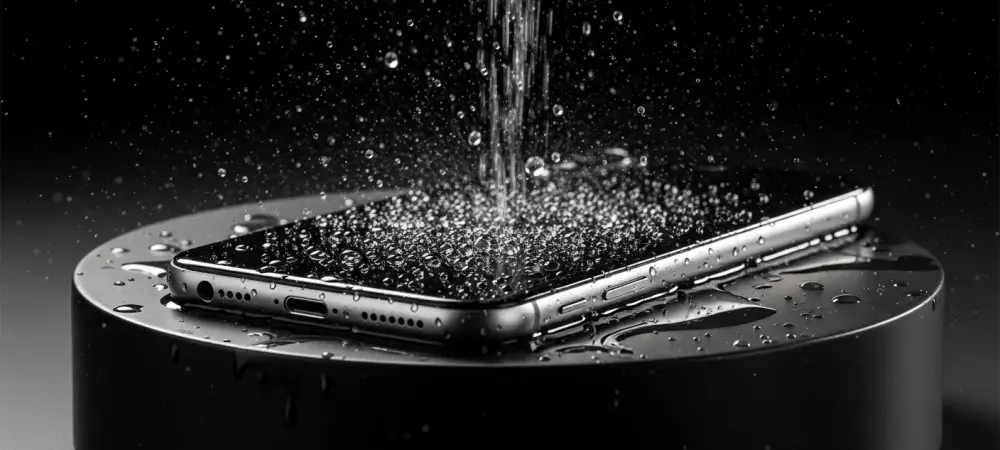
Photography enthusiasts will note the move to a 64-megapixel OV64D periscope sensor on the Magic 9, a considerable advancement over the standard 64-megapixel telephoto lens used in the Magic 8. The periscope design allowed for superior optical zoom and light gathering, making it a more versatile tool for long-range capture without adding significant thickness to the camera bump. Durability standards also received a boost, as the Magic 9 now boasted dual IP68 and IP69 certifications. While the Magic 8 offered standard water resistance, the IP69 rating on the newer model ensured protection against high-pressure water jets and extreme temperatures. This upgrade made the device one of the most rugged flagships available, appealing to users who frequently find themselves in harsh environments.
Practical Considerations and Implementation Challenges
Housing a massive 8,000mAh battery within a relatively small 6.36-inch frame presented a formidable engineering hurdle. This 1,000mAh increase over the Magic 8 required a significant leap in energy density to prevent the device from becoming overly thick or heavy. Engineers had to balance the heat dissipation from the Snapdragon 8 Elite Gen 5 with the thermal profile of such a large cell in a confined space.
Furthermore, the decision to stick with a Gen 5 architecture rather than a speculative Gen 6 chip influenced consumer perception. While some sought the newest numerical designation, the real-world performance gains from architectural refinement often outweighed the benefits of unproven silicon. Adopting periscope optics and ultrasonic sensors also increased manufacturing complexity and potential repair costs, challenges that Honor navigated to maintain a competitive edge.
Final Verdict: Choosing the Right Honor Flagship
The primary differences between the Honor Magic 8 and the Honor Magic 9 centered on the substantial 1,000mAh battery boost and the transition to advanced periscope optics. Users who valued extreme battery longevity and rugged IP69 protection found the Magic 9 to be an ideal upgrade. Meanwhile, those who preferred larger displays or did not require specialized zoom capabilities often found the Magic 8 to be a sufficient alternative for their daily workflows.
The choice between the standard Magic 9 and its Pro or RSR counterparts eventually depended on a user’s specific need for professional-grade hardware versus a balanced everyday flagship. Practical recommendations suggested that the Magic 9 was the superior choice for compact ruggedness, while the specialized variants offered the necessary tools for creators and enthusiasts. Ultimately, the series demonstrated that high-end performance no longer required a bulky frame to succeed in the premium market.