

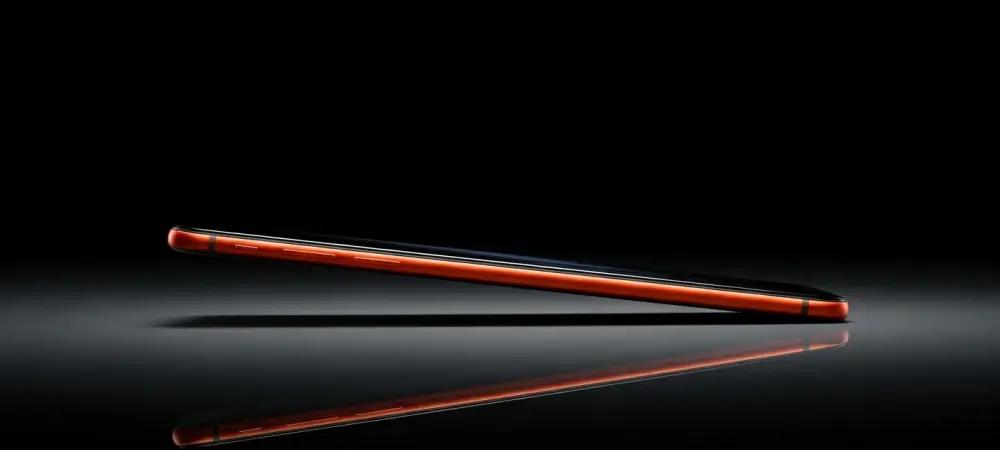
The persistent dilemma for smartphone enthusiasts has long been a frustrating choice between possessing a device that is sleek and pocketable or one that is packed with uncompromising flagship power. The Honor Magic 8 Pro Air represents a significant advancement in the ultra-thin smartphone sector, aiming to resolve this very conflict. This review explores the evolution of this design philosophy, the phone’s key features, performance expectations, and the impact it may have on the competitive mobile market. The purpose is to provide a thorough understanding of the device’s capabilities, based on its confirmed specifications and credible rumors, and its potential for future success.
An Introduction to the Ultra Slim Flagship
The core principle behind the Honor Magic 8 Pro Air is to deliver high-end specifications without the bulk typically associated with top-tier devices. It emerges in a market where consumers often have to choose between a slim, comfortable profile and the powerful hardware required for advanced photography and performance. This device is positioned as a direct solution to that long-standing compromise, promising the best of both worlds in a single, elegant package.
By integrating flagship-level components into an exceptionally thin chassis, Honor is not just creating a new product; it is making a statement about the future of mobile engineering. The Magic 8 Pro Air aims to prove that sacrificing power for portability is no longer a necessary trade-off, setting a new benchmark for what consumers can and should expect from a premium smartphone.
An In Depth Look at Core Features
Breakthrough Design and a Vivid Display
The primary selling point of the Magic 8 Pro Air is undoubtedly its remarkably thin 0.24-inch chassis, a feat of engineering that immediately sets it apart. Available in a sophisticated palette of white, black, orange, and violet, the design prioritizes both aesthetics and ergonomics. Achieving this slimness without compromising structural integrity or component space represents a significant manufacturing challenge that Honor appears to have overcome.
Complementing the sleek frame is a 6.31-inch LTPO AMOLED display that promises a truly immersive visual experience. With a sharp 2640 x 1216 resolution and a 120Hz adaptive refresh rate for fluid scrolling, the screen is built for high-quality content consumption. Its most groundbreaking feature, however, is the reported 6000 nits peak HDR brightness, a figure that would make it one of the most vibrant and viewable displays on the market, even in direct sunlight.
A Powerful and Versatile Camera System
Honor has equipped the Magic 8 Pro Air with a sophisticated triple-camera setup designed to appeal to both casual users and photography enthusiasts. The system is headlined by a confirmed 50MP main camera featuring a large 1/1.3-inch sensor and a wide f/1.6 aperture, a combination that suggests excellent low-light performance and natural depth of field. This is supported by a 64MP periscope telephoto lens with 3.2x optical zoom, allowing for crisp, detailed shots from a distance.
Rounding out the trio is a rumored 50MP f/2.2 ultra-wide-angle camera. If confirmed, this combination would provide incredible versatility, enabling users to capture everything from sweeping landscapes to intimate portraits with flagship-level quality. The focus on high-resolution sensors across all three lenses indicates a commitment to a no-compromise imaging experience.
High End Performance and Enduring Battery
At the heart of the Magic 8 Pro Air lies the MediaTek Dimensity 9500 processor, a choice that signals a focus on delivering top-tier speed and efficiency. This chipset is expected to handle intensive tasks, from high-end gaming to seamless multitasking, without significant lag, placing the device in direct competition with other flagship contenders. Perhaps most impressive for an ultra-thin device is its large 5,500mAh battery, a capacity that defies the typical limitations of a slim form factor. This suggests all-day endurance is a key priority. Furthermore, the inclusion of 80W wired and 50W wireless fast-charging capabilities ensures that when the battery does run low, it can be replenished with minimal downtime, adding a crucial layer of convenience.
Redefining the Thin and Light Category
The latest trend in smartphone design has been a concerted push by manufacturers to create powerful yet highly portable devices. The Honor Magic 8 Pro Air’s specifications challenge the established norms of this category, where slimness often comes at the cost of battery life, camera quality, or processing power. By integrating a flagship-tier feature set into its ultra-thin frame, Honor is directly confronting these accepted compromises.
This aggressive approach could significantly influence future product designs from competing manufacturers. As consumers become aware that a slim form factor does not have to mean diminished capability, expectations will shift. The Magic 8 Pro Air has the potential to accelerate the trend toward no-compromise thin-and-light smartphones, forcing the rest of the industry to innovate in order to keep pace.
Anticipated User Experience and Use Cases
For the end-user, the real-world benefits of the Magic 8 Pro Air are clear and compelling. The ultra-slim design dramatically enhances everyday portability, making the phone more comfortable to hold and carry without the bulge of a traditional flagship. This ergonomic advantage is a practical improvement that will be felt throughout daily use.
Beyond comfort, its hardware opens up a range of specific use cases. The advanced camera system positions it as a powerful tool for on-the-go content creation. Meanwhile, the high-brightness display is ideal for immersive media consumption in any environment, and the flagship processor ensures that demanding productivity apps and games run flawlessly.
Potential Challenges and Considerations
Despite its impressive specifications, the Magic 8 Pro Air may face several challenges. A primary technical hurdle will be thermal management. Dissipating heat effectively within such a compact chassis during intensive tasks like gaming or 4K video recording is notoriously difficult and will be a key test of Honor’s engineering.
On the market side, the device must contend with established brand perceptions and intense competition. The choice of the MediaTek Dimensity 9500 chipset, while powerful, will be closely benchmarked against its primary competitors in the premium segment. How it is perceived in terms of raw performance and long-term software support will be crucial to its success among discerning buyers.
The Future of Ultra Thin Smartphones
The launch of the Magic 8 Pro Air could have a lasting impact on the smartphone industry by accelerating the trend of no-compromise slim devices. If successful, it will prove that cutting-edge technology can be housed in elegant, user-friendly designs, pushing other brands to follow suit. This could usher in a new era where the flagship experience is defined as much by its form as by its function.
This device also offers a glimpse into Honor’s future strategy. The focus on pioneering a new standard in the thin-and-light category suggests a brand aiming to lead through innovation rather than simply competing on specs. We may see this design language and engineering philosophy appear in other Honor product lines, solidifying its identity as a forward-thinking manufacturer.
Final Verdict A New Contender Emerges
Ultimately, the Honor Magic 8 Pro Air presented itself as a formidable new contender in the flagship arena. Its key strengths were its innovative and remarkably slim design, a powerful and versatile camera system, and a feature set that refused to compromise on performance or battery life. It successfully challenged the notion that a thin phone must be a weaker phone.
By pushing the boundaries of mobile engineering, the device established a new benchmark for what consumers should expect from a premium, portable smartphone. The Honor Magic 8 Pro Air proved to be more than just another flagship; it was a compelling vision for the future of the industry and a clear signal of Honor’s ambition to lead it.