

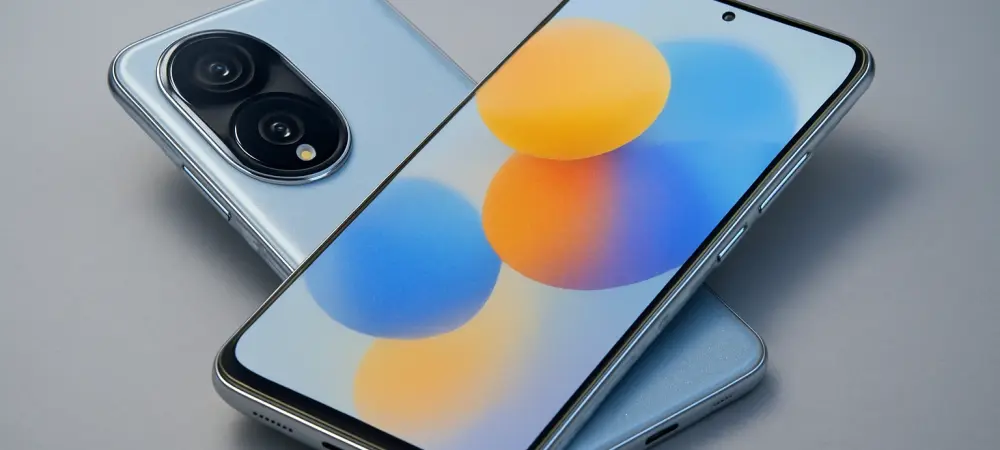
What happens when a smartphone blends jaw-dropping design with powerhouse performance, setting a new benchmark in a crowded market? The Honor 500 series, recently unveiled in China, answers this question with a resounding impact. Tech enthusiasts and everyday users alike are captivated by the promise of cutting-edge specs and stunning aesthetics packed into the Honor 500 and Honor 500 Pro. This launch isn’t just another product drop—it’s a bold statement of innovation that challenges the status quo in the mid-to-high-end smartphone segment.
The significance of this release extends beyond mere hardware. Honor is carving out a formidable presence in a competitive landscape dominated by heavyweights like iQOO and OnePlus. With consumer demand for 5G, expansive storage, and sleek designs reaching an all-time high, the Honor 500 series arrives as a timely contender. This lineup reflects a broader trend in the industry toward balancing premium features with accessibility, catering to users who refuse to compromise on style or substance.
Why the Honor 500 Series Grabs Attention
The buzz surrounding the Honor 500 series stems from its potential to disrupt expectations. Early leaks and teasers have painted a picture of devices that don’t just keep up with trends but push boundaries. From whispers of top-tier processors to visually striking color options, these smartphones are generating excitement among tech circles for their promise of a premium experience at a competitive level.
A key factor driving interest is Honor’s focus on user-centric innovation. Unlike many releases that prioritize incremental updates, this series appears to target a wide audience—ranging from gamers needing high performance to style-conscious individuals seeking a device that stands out. The anticipation is palpable, as social media platforms in China are already abuzz with speculation about how these models will perform in real-world scenarios.
Honor’s Strategic Move in a Cutthroat Market
Navigating the smartphone industry today requires a delicate balance of creativity and technical prowess. Honor is stepping into this arena with confidence, positioning the 500 series as a direct challenge to rivals who have long dominated the premium mid-range segment. As 5G connectivity becomes standard and users expect more from their devices, Honor’s latest offering aims to deliver on multiple fronts, from speed to sophistication.
This launch also mirrors a larger shift in consumer behavior. A recent study by Counterpoint Research noted a 30% increase in demand for smartphones with over 512GB of storage in key Asian markets from 2025 onward, signaling a growing need for high-capacity devices. Honor’s response with the 500 series demonstrates an acute awareness of these evolving preferences, placing the brand at the forefront of this transformative wave.
Unveiling Specs, Design, and Variants of the Honor 500 Series
Diving into the specifics, the Honor 500 series offers an impressive array of features across its two models. Both the Honor 500 and the Honor 500 Pro come in four captivating colors—Aquamarine, Starlight Powder, Obsidian Black, and Moonlight Silver—allowing users to choose a look that matches their personality. On the performance side, the Pro variant stands out with configurations ranging from 12GB RAM with 256GB storage to an extraordinary 16GB RAM with 1TB storage, while the standard model caps at 16GB RAM with 512GB storage.
Design takes center stage with a fresh approach to aesthetics and functionality. The series sports a triple rear camera system encased in a distinctive pill-shaped horizontal module, marking a bold evolution from previous Honor designs. Rumors also point to a 6.55-inch OLED display boasting 1.5K resolution and a 120Hz refresh rate on both devices, ensuring vibrant visuals and smooth interactions.
Underpinning these models is cutting-edge hardware tailored for power users. The Honor 500 Pro is said to feature Qualcomm’s Snapdragon 8 Elite chip, paired with an 8,000mAh battery supporting 80W wired and 50W wireless charging. Meanwhile, the standard Honor 500 is expected to run on the Snapdragon 8S Gen 4 chip, maintaining robust performance. Both devices embrace 5G connectivity, aligning with global standards for high-speed access, making them formidable players in their category.
Insights from Teasers and Expert Opinions
Though full details remain under wraps, snippets shared on social media platforms like Weibo have fueled curiosity. A notable teaser revealed a mysterious new button on one of the models, potentially similar to Apple’s Camera Control feature, hinting at enhanced photography capabilities or intuitive interface controls. Such additions could position the series as a go-to choice for mobile photography enthusiasts.
Industry experts have also weighed in with early impressions. Tech analysts in China have highlighted the Pro model’s rumored 1TB storage and elite chipset as a potential “game-changer” for users who demand maximum capacity and speed. Online communities echo this sentiment, praising Honor’s knack for merging high-end specifications with visually appealing designs, further heightening expectations for hands-on reviews post-launch.
These insights suggest that Honor is not merely iterating on past successes but aiming to redefine user engagement. The focus on camera innovation, in particular, taps into a growing trend where 68% of smartphone buyers prioritize imaging quality, according to a 2025 Statista report. This strategic emphasis could give the series a distinct edge in a saturated market.
Integrating the Honor 500 Series into Everyday Tech Needs
Evaluating whether the Honor 500 series fits into personal tech ecosystems involves assessing specific requirements. For those who juggle large files or heavy gaming, the Pro’s 1TB storage option offers unparalleled space, while the standard model’s 512GB ceiling still suffices for most casual users. This range ensures flexibility across different user profiles, from professionals to students.
Aesthetics also play a crucial role in the decision-making process. With four distinct color choices, the series caters to varied tastes, allowing buyers to align their device with personal style. Beyond looks, the promised 120Hz refresh rate and 5G support guarantee a seamless experience for streaming high-definition content or staying connected on the go, catering to modern digital lifestyles.
Camera capabilities remain a wildcard worth considering. The teased button and triple-camera setup indicate a strong push toward advanced imaging, which could appeal to content creators and social media aficionados. As more specifics surface, potential buyers are encouraged to weigh these features against daily needs, ensuring the chosen model aligns with both practical and aspirational goals.
Reflecting on a Groundbreaking Launch
Looking back, the debut of the Honor 500 series marked a pivotal moment for Honor as it solidified its stance in the premium smartphone arena. The blend of powerful hardware, like the Snapdragon 8 Elite chip in the Pro model, with innovative design elements such as the unique camera module, left a lasting impression on the industry. Both the Honor 500 and its Pro counterpart showcased a commitment to meeting diverse consumer demands with tailored storage options and striking visuals.
Moving forward, attention shifted to how these devices would influence future trends in smartphone development. The integration of features like potential camera control buttons opened discussions on enhancing user interaction, while the robust 5G capabilities set a standard for connectivity. Industry watchers began to anticipate how Honor would build on this foundation, with many expecting further innovations in battery life and display technology.
For consumers, the takeaway was clear: Staying informed about real-world performance through reviews and user feedback became essential. Exploring local availability and pricing details emerged as the next logical step for those intrigued by the series’ offerings. This launch not only elevated Honor’s profile but also encouraged a deeper engagement with evolving tech possibilities, prompting users to rethink what a smartphone could achieve.