

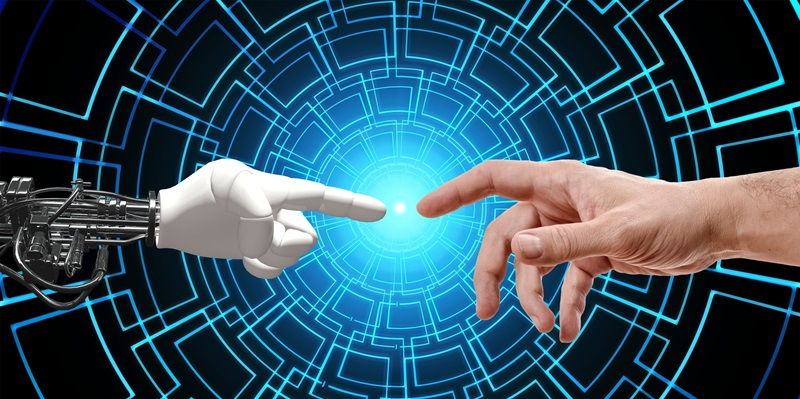
In a groundbreaking collaboration, researchers from Honda and the University of British Columbia (UBC) have come together to create a novel soft sensor that is smart, flexible, and extremely sensitive. This pioneering sensor has the potential to revolutionize the fields of robotics and prosthetics, offering a range of applications and benefits.
The application of sensor skin to the surface of a robotic limb or prosthetic arm opens up a world of possibilities. By providing touch sensitivity and enhanced dexterity, this technology allows for more natural and intuitive interactions with objects and environments. This is especially significant for individuals with limb impairments, enabling them to regain a sense of touch and control.
The Tactile Softness Advantage
What sets this sensor apart is its tactile softness, akin to human skin. By mirroring the texture and suppleness of natural skin, it contributes to the safety and realism of human interactions. This means that the user can engage with the robotic limb or prosthetic arm without the fear of accidentally causing harm to themselves or others. The sensor offers a level of safety and comfort that is paramount for seamless integration into daily life.
Sensing Multiple Types of Forces
One of the key strengths of the smart soft sensor lies in its ability to sense several types of forces. Whether it’s pressure, vibration, or even temperature, the sensor can effectively detect and interpret these tactile stimuli. This capability opens up new possibilities for precise responses to different types of interactions, allowing for a more nuanced and realistic experience.
The Main Component: Silicone Rubber
At the heart of this smart soft sensor is the use of silicone rubber as the main component. This material, commonly used for skin special effects in motion pictures, provides the necessary flexibility and durability required for the sensor to function effectively. Simulating human skin, the sensor enhances the overall sensory experience and ensures a high level of accuracy.
Utilization of Weak Electric Fields
The sensor utilizes weak electric fields to sense objects, much like the touchscreens that we use daily. However, unlike traditional touchscreens, this sensor is flexible and can detect forces in various directions. This means that the sensor can respond to tactile stimuli not only by being pressed but also by being pushed or dragged. This enhances the versatility and functionality of the sensor, making it an indispensable tool in the realm of robotics and prosthetics.
Development and Collaboration
The technique behind this remarkable sensor was developed by the UBC team in partnership with Honda’s research institute, Frontier Robotics. Dr. Madden’s lab at UBC has a wealth of expertise in flexible sensors, making it an ideal collaborator for this groundbreaking project. The collaboration aims to develop tactile sensors that can be seamlessly integrated into robotic systems, offering enhanced capabilities and applications.
The creation of a smart, flexible, and sensitive soft sensor by Honda and the University of British Columbia heralds a new era in robotics and prosthetics. The sensor’s ability to mimic human touch, its responsiveness to various forces, and the collaboration’s focus on creating tactile sensors for robots all point to a future where human-machine interactions become more seamless, intuitive, and lifelike. With this innovation, the boundaries of what is possible in robotics and prosthetics are being pushed further, improving the lives of countless individuals and offering endless potential for advancement.