

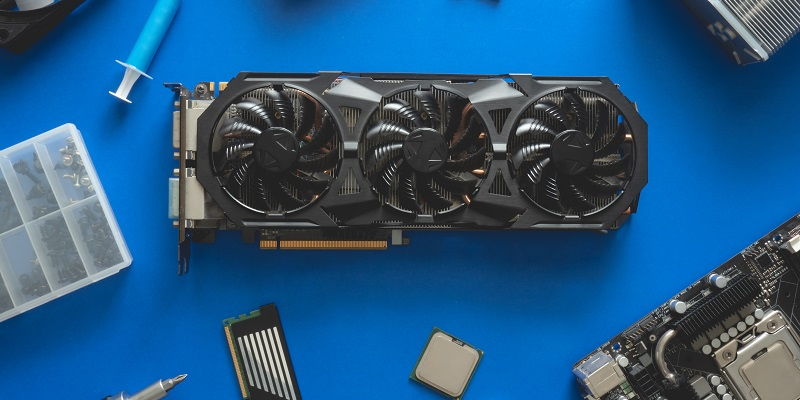
The Akihabara marketplace in Japan is facing a significant shortage of high-end NVIDIA GPUs, leaving customers and shop owners struggling to meet the soaring demand. One of the most sought-after models, the NVIDIA GeForce RTX 4090 GPU, is particularly affected by the stock shortage, causing concern among gamers and tech enthusiasts worldwide.
The Demand and Stock Situation
The NVIDIA GeForce RTX 4090 GPU remains a popular choice for high-end graphics cards due to its exceptional performance. However, the limited availability of these GPUs is making it increasingly difficult to meet the current high demand. Shop owners in Akihabara are reporting that their stocks are running low, and obtaining new shipments has become a challenge. Moreover, retailers speculate that this shortage might extend beyond Japan and have global implications.
Reasons Behind the Shortage
One possible reason for the shortage is the ripple effect of demand from the release of the RTX 3000 family. Manufacturers may have reduced production to avoid saturating the market with excessive stock. Furthermore, the scarcity extends beyond the RTX 4090 GPUs; even the NVIDIA GeForce RTX 4080 GPUs, which do not offer great value for gamers, are running low in quantity.
Consumer Preferences
In the Japanese market, consumers seeking high-end GPUs are reportedly opting for the more affordable 4070 Ti, while ultra-high-end users are investing in the top-tier RTX 4090 model. This shift in preferences indicates that even in the face of shortages, customers still seek powerful GPUs to enhance their gaming and graphics experiences.
Price Stability
Despite the shortage, a surprising trend emerges as prices for high-end NVIDIA GPUs remain stable and below the manufacturer’s suggested retail price (MSRP). This phenomenon is observed not only in Japan but also globally. The market seems to be holding steady, despite the high demand and limited stock, which could alleviate concerns regarding price hikes due to scarcity.
Implications and Future Outlook
The shortage of high-end NVIDIA GPUs in the Akihabara marketplace reflects a larger global supply chain issue. While the exact extent of the shortage in other countries is unclear, reports from Japan suggest that the phenomenon may have international consequences. This shortage may also impact the gaming industry by delaying new game development or discouraging some consumers from upgrading their systems.
The Akihabara marketplace in Japan is currently facing a shortage of high-end NVIDIA GPUs. The scarcity of the popular NVIDIA GeForce RTX 4090 GPUs, as well as the low quantities of the RTX 4080 GPUs, has raised concerns among gamers and tech enthusiasts globally. However, despite the challenges, prices remain stable and below MSRP. Industry insiders speculate that the shortage might be a strategic move to regulate supply and prevent overstocking. As the shortage persists, consumers continue to navigate their options, with preferences shifting towards more affordable models and ultra-high-end offerings. The wider implications and resolution of this shortage remain to be seen, but for now, gamers and enthusiasts must patiently wait for the situation to improve and the stock to replenish.