

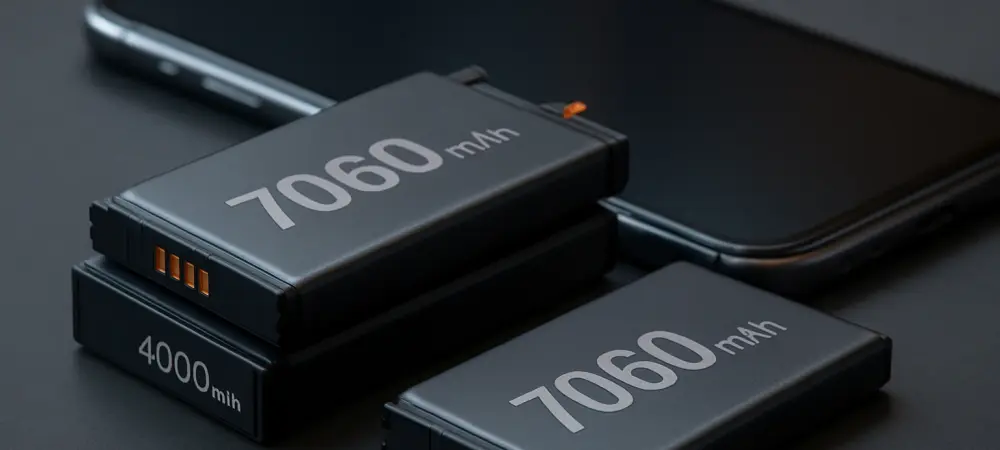
The relentless consumer demand for smartphones that can last for days on a single charge has pushed battery technology into a new era of innovation, fundamentally altering device design and user expectations. High-Density Smartphone Batteries represent a significant advancement in the mobile technology sector. This review will explore the evolution of this technology, its key features, performance metrics, and the impact it has had on device design and user experience. The purpose of this review is to provide a thorough understanding of the technology, its current capabilities as exemplified by upcoming devices like the Redmi K90 Ultra, and its potential future development.
The Pursuit of Power an Introduction to High Density Batteries
At its core, the development of high-density battery technology is driven by a simple, yet profoundly challenging, goal: to store more energy within a smaller physical footprint. This relentless pursuit is a direct response to the paradox of modern smartphone design, where consumers expect increasingly powerful processors, brighter displays, and 5G connectivity, all housed within devices that remain sleek and lightweight. Engineers must constantly innovate to increase the energy-to-volume ratio, pushing the boundaries of material science and internal architecture.
This technological push is not merely an incremental improvement but a foundational shift in mobile engineering. As software and hardware demands grow, the battery has become the primary limiting factor for a truly untethered mobile experience. Consequently, breakthroughs in energy density are now as critical as advancements in chipset performance, directly influencing a device’s practicality and market appeal. The industry’s focus has pivoted toward endurance, making battery technology a key battleground for innovation among leading manufacturers.
Anatomy of a Next Generation Powerhouse the Redmi K90 Ultra Case Study
Breakthrough Capacity in a Compact Form Factor
The primary innovation showcased by devices like the upcoming Redmi K90 Ultra lies in achieving unprecedented battery capacity without a corresponding increase in device thickness. Leaks suggest the K90 Ultra will house a colossal 10,000mAh battery within a chassis measuring just 8.5mm thick. This marks a substantial leap from its 7,410mAh predecessor and sets a new benchmark for the industry. Such an accomplishment signals major advancements in cell chemistry and internal component packaging, allowing for a near doubling of capacity over conventional flagships in a similar form factor.
This engineering feat moves beyond simply using a physically larger battery; it reflects a sophisticated approach to maximizing every cubic millimeter of internal space. By increasing the energy density of the battery cells themselves, manufacturers can deliver multi-day endurance without resorting to the bulky, impractical designs of the past. This balance between immense power and a premium, ergonomic feel is what defines this new generation of smartphone powerhouses.
Complementary High Speed Charging Technologies
A massive battery’s utility is severely diminished if it requires an excessively long time to recharge. Recognizing this, manufacturers are pairing high-capacity cells with equally impressive charging solutions. The Redmi K90 Ultra is rumored to support 100W wired fast charging, a crucial feature that makes a 10,000mAh capacity practical for daily use. This technology can replenish a significant portion of the battery in minutes, not hours, effectively eliminating the lengthy downtime typically associated with such large power reserves.
Moreover, the convenience of wireless charging is also being scaled to match these new capacities. The inclusion of “full-speed” wireless charging, expected to surpass the 50W standard seen in other premium devices, ensures that users have a fast and convenient option for topping up their device without plugging in. The synergy between a massive battery and ultra-fast charging creates a seamless user experience where power is both abundant and quickly accessible.
Emerging Trends in Smartphone Endurance
The industry is witnessing a clear pivot in priorities, with raw battery endurance increasingly taking precedence over marginal gains in processing speed. The Redmi K90 Ultra exemplifies this trend, positioning its extraordinary battery life as a primary selling point. This shift reflects a growing consumer sentiment that favors practical, all-day (and multi-day) usability over benchmark scores that have little impact on real-world performance. As a result, marketing strategies are evolving to highlight longevity and freedom from “charging anxiety.”
This new focus is reshaping smartphone design philosophy across the board. While the race for the thinnest device once dominated the market, manufacturers are now embracing slightly thicker profiles to accommodate higher-density power cells. The premium aesthetic is being redefined to include not just materials and finish but also the functional benefit of exceptional stamina, indicating a maturing market where user experience is valued over superficial specifications.
Real World Impact on User Experience
The most significant impact of high-density batteries is the transformation of user habits. The prospect of a smartphone lasting two, three, or even more days on a single charge under normal use fundamentally alters how people interact with their technology. The constant background awareness of battery percentage and the need to carry power banks or chargers begin to fade, fostering a more relaxed and untethered relationship with the device.
For power users, such as mobile gamers, content creators, and frequent travelers, the benefits are even more pronounced. Extended gaming sessions, on-location video shooting, and long-haul flights can be navigated without the fear of a dead battery. This enhanced reliability empowers users to leverage the full capabilities of their devices without compromise, turning the smartphone into a more dependable tool for both productivity and entertainment.
Engineering Challenges and Technical Hurdles
Despite the clear benefits, cramming such immense energy into a confined space presents significant engineering challenges. A primary concern is thermal management. Pushing 100W or more of power into a battery generates substantial heat, which must be dissipated effectively to prevent performance throttling, ensure user safety, and protect the long-term health of the battery cells. Sophisticated cooling systems are no longer a luxury but a necessity.
Another inherent trade-off is the physical weight of the device. Denser battery materials inevitably add grams, and engineers must carefully balance the desire for maximum capacity with the need to maintain a comfortable and ergonomic in-hand feel. Furthermore, ensuring the longevity and safety of these high-capacity cells over hundreds of charge cycles remains a critical hurdle. Manufacturers must guarantee that the battery retains a high percentage of its original capacity and remains stable after years of aggressive fast charging.
The Future of Mobile Power
The trajectory of high-density battery technology points toward a future where multi-day battery life becomes the industry standard, not a niche feature. The innovations seen in the Redmi K90 Ultra are likely a precursor to broader adoption across the market, compelling competitors to accelerate their own research and development in energy storage. Future advancements may involve the integration of new battery chemistries or further refinements to silicon-anode technology, promising even greater energy density without compromising on size or weight.
Devices pioneering this shift are setting new consumer expectations that will ripple throughout the industry. Just as high-refresh-rate displays and multi-camera systems became standard flagship features, exceptional battery endurance is poised to become the next essential pillar of a premium smartphone experience. The long-term impact will likely be a new baseline for what is considered acceptable battery performance, permanently raising the bar for all future devices.
Conclusion a New Benchmark for Battery Performance
The analysis of high-density battery technology, exemplified by the advancements rumored for the Redmi K90 Ultra, revealed a pivotal moment in mobile innovation. The successful integration of massive power reserves within slim, modern designs represented a significant engineering achievement that directly addressed a long-standing consumer pain point. This development marked a clear industry trend toward prioritizing practical endurance over incremental performance gains. Ultimately, the combination of breakthrough battery capacity and complementary high-speed charging technologies fundamentally transformed the user experience. It moved the goalposts from single-day to multi-day usage, effectively reducing charging anxiety and enabling users to fully harness the power of their devices without compromise. This progress set a new and formidable benchmark for mobile endurance, establishing a standard that reshaped both consumer expectations and the future of smartphone design.