

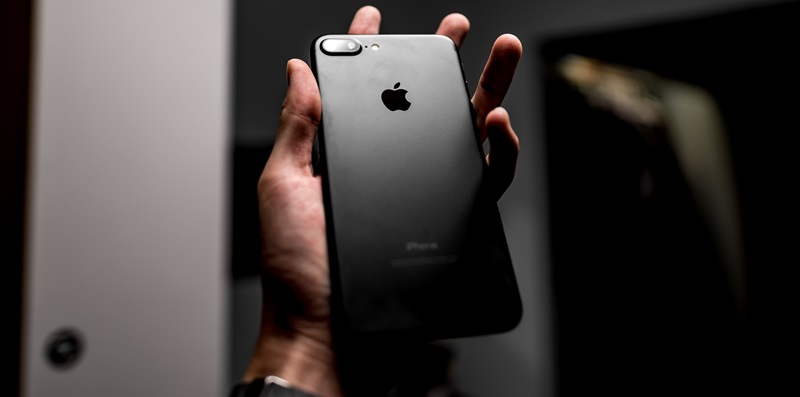
The release of the iPhone 7 and 7 Plus by Apple in September 2016 caused a frenzy among smartphone users, resulting in an extraordinary surge in demand. However, this unprecedented popularity also led to widespread supply shortages, resulting in limited availability in retail locations. This article delves into the driving factors behind the immense demand for these iPhones, the impact of their innovative features, and the challenges Apple faces in meeting this overwhelming need.
Overview of iPhone 7 and 7 Plus
Described as two of the most sought-after smartphones on the market, the iPhone 7 and 7 Plus have captivated consumers with their sleek designs and cutting-edge features. Apple’s reputation for producing premium products has undoubtedly played a significant role in the quick rise to fame of these devices.
Exceptional Camera Quality as a Driving Factor
One of the pivotal factors contributing to the increasing demand for the iPhone 7 and 7 Plus is the exceptional camera quality they offer. In today’s social media-driven world, the importance of capturing high-quality photos and videos cannot be overstated. Apple recognized this demand, equipping the iPhone 7 and 7 Plus with advanced camera capabilities that rival many standalone digital cameras.
Impressive Performance and Processing Power
Another reason behind the surge in demand is the impressive performance and processing power of the iPhone 7 and 7 Plus. Smartphones have become essential tools for multitasking, gaming, and streaming media. The A10 Fusion chip, coupled with increased RAM, ensures smooth performance, making these devices highly desirable for those seeking a seamless user experience.
Introduction of Water and Dust Resistance
The introduction of water and dust resistance has further fueled the demand for these iPhones. In an era where accidents and spills are all too common, having a device that can withstand such mishaps is highly appealing. The iPhone 7 and 7 Plus boast an IP67 rating, meaning they can be submerged in water for up to 30 minutes without suffering any damage.
Apple’s Reputation for High Quality and Innovation
Apple’s unwavering commitment to delivering high-quality products and innovative features has played a significant role in driving demand for the iPhone 7 and 7 Plus. With each new release, Apple manages to create a buzz and captivate consumers’ attention, instilling a sense of loyalty and anticipation for their latest devices.
Supply Chain Issues and Production Delays
The overwhelming demand for the latest iPhone models has resulted in significant supply chain issues, causing delays in production and shipment. Apple, along with its partners and retailers, has been working tirelessly to ramp up production and address these constraints. However, meeting the enormous demand may still take some time, leaving consumers anxiously awaiting the availability of the iPhone 7 and 7 Plus in physical stores.
Considerations for Potential Buyers
Given the supply constraints and limited availability, it is advisable for Apple enthusiasts or those planning to purchase the iPhone 7 and 7 Plus to consider alternative options. Exploring authorized resellers, online platforms, or pre-ordering may provide a greater chance of securing these coveted devices.
Efforts to Address Supply Constraints
Apple, in collaboration with retailers, has been leaving no stone unturned in its efforts to address the supply constraints and meet the overwhelming demand for the iPhone 7 and 7 Plus. The company is actively working to increase production capacity, streamline the supply chain, and expand distribution channels. As a result, it is promising to expect a gradual improvement in availability as time progresses.
As the initial excitement and hype surrounding the iPhone 7 and 7 Plus begins to settle, more devices will become readily available for both in-store and online purchases. The unparalleled demand for these smartphones highlights the successful combination of exceptional camera quality, impressive performance, water and dust resistance, and Apple’s innovative features. While supply constraints and production delays have caused temporary inconvenience, Apple’s commitment to meeting consumer demand assures a future where the iPhone 7 and 7 Plus will be more widely available, allowing users to experience the extraordinary features that have captured the hearts of smartphone users worldwide.