

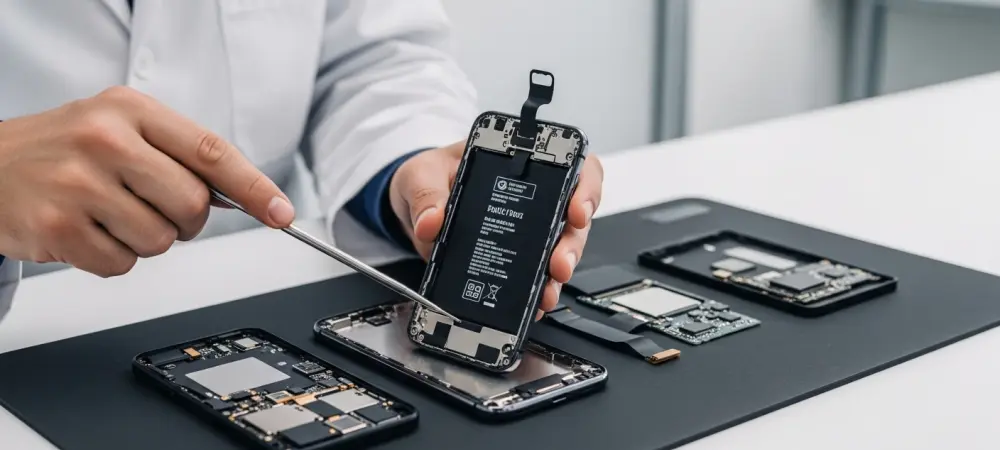
The pervasive anxiety of a smartphone battery dwindling to single digits may soon become a relic of a bygone technological era, as high-capacity batteries redefine device endurance. This review explores the technology’s evolution, key features, and impact on design and user experience, providing a thorough understanding of its current capabilities and future potential.
The Dawn of the Multi-Day Smartphone
The market has shifted from a singular focus on slimness to prioritizing endurance, a direct response to power-hungry 5G, high-refresh-rate displays, and demanding apps. This change has elevated the concept of the multi-day smartphone from a niche feature into a mainstream goal for manufacturers.
Core Technologies and Design Innovations
Advances in Battery Density and Chemistry
Breakthroughs in material science, particularly improvements to Lithium-ion chemistry with silicon anodes, are fundamental. These advancements allow for significantly more energy storage within the same physical volume, forming the basis for increased capacity.
Dual-Cell and Stacked Architecture
Structural engineering has also been pivotal, with dual-cell and stacked designs enabling manufacturers to fit more capacity into unconventional internal spaces. This approach also facilitates the implementation of faster and safer charging protocols.
Power Management and Charging Efficiency
Large batteries are complemented by efficient processors and AI-driven power management to optimize energy use. To make them practical, rapid charging technologies exceeding 100W are now essential for quick and convenient replenishment.
Latest Developments and Market Trends
OnePlus’s forthcoming “Turbo” series exemplifies the industry’s push for new capacity benchmarks, positioning extreme battery life as a core marketing feature. Rumors point to a potential 9,000mAh cell, set to surpass existing leaders upon its anticipated January 2026 launch.
Real-World Applications and User Impact
This technology empowers users like mobile gamers and content creators who require uninterrupted performance. Extended battery life also enables more demanding features, such as continuous high-brightness display usage and intensive background AI processing.
Current Challenges and Limitations
Balancing Capacity with Device Ergonomics
The primary trade-off is the impact on a phone’s physical size and weight. Integrating massive power cells without compromising user comfort remains a key design and engineering challenge.
Thermal Management and Charging Safety
Charging and discharging larger batteries generates significant heat, necessitating advanced cooling solutions. These systems are critical for maintaining performance and ensuring long-term safety.
Battery Longevity and Degradation
The issue of battery degradation over hundreds of charge cycles persists. Manufacturers are implementing software and hardware features to mitigate this wear and extend the overall lifespan of the battery.
Future Outlook and Next-Generation Power
Ongoing research into technologies like solid-state batteries promises even greater energy density and safety. The industry continues to push toward breaking the 10,000mAh barrier, driven by the demands of future processors like the rumored overclocked Snapdragon 8s Gen 4.
Conclusion and Final Verdict
The industry’s pivot toward prioritizing battery life marked a fundamental shift in smartphone design that directly addressed a major consumer pain point. This move reshaped user expectations for device endurance and reliability. The rise of the high-capacity battery ultimately transformed the mobile experience by offering unprecedented freedom from the charger. Its development proved to be a critical differentiator in a competitive market, solidifying longevity as a core feature of modern devices.