

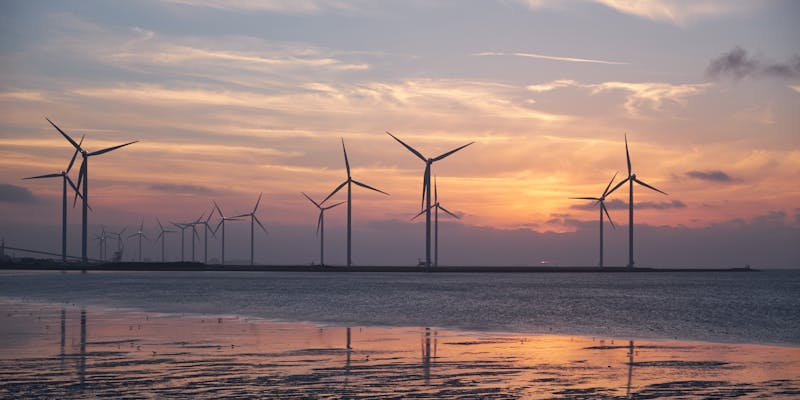
Data centers serve as the nerve centers of the modern digital world, necessitating enormous amounts of electricity to keep servers and infrastructure running efficiently. As our world grows increasingly interconnected, the focus on reducing the environmental impact of these essential facilities becomes paramount. Wind energy holds significant promise as a sustainable solution to meet these energy needs while curbing greenhouse gas emissions. Embracing wind power not only aligns with global decarbonization goals but also offers data centers an opportunity to achieve cost savings over time due to its potentially lower operational expenses. As such, the integration of wind-generated electricity into data center operations could revolutionize the industry by melding technological advancement with ecological responsibility, ensuring that our growing data demands do not come at the expense of our planet’s health. The synergistic relationship between wind power and data centers could thus catalyze a greener future in the digital era.
The Allure of Wind Energy
Economic and Constant Power Generation
Wind power, with its reputation for cost-efficiency, stands as an attractive option for data center operators. The technology behind wind turbines has matured, leading to significant reductions in the cost per megawatt-hour of energy produced. This makes wind energy a financially viable alternative to traditional fossil fuels. In contrast to solar power, which is limited to daylight hours, wind has the potential to generate electricity continuously.
Nevertheless, the efficiency of wind power depends heavily on wind availability, which can be unpredictable. Its intermittency is one of the most notable challenges; a calm day can result in a significant drop in power generation. Data centers require a continuous and reliable energy supply to maintain operations, and relying solely on wind power can be a gamble without sufficient energy storage solutions or backup power systems in place.
Spatial Efficiency and All-Purpose Energy
When considering the spatial efficiency of wind turbines, the scales tip significantly in their favor. A standard wind turbine can outmatch the energy output of thousands of solar panels, making it a veritable powerhouse in terms of space-to-energy ratio. The idea that a single turbine can equal the productive capacity of nearly 50,000 solar panels is a compelling argument for data centers with large energy appetites that simultaneously seek to minimize their land usage.
This remarkable efficiency means that wind power is not only sufficient for running IT equipment but can also tackle the energy-intensive process of cooling data center facilities. Data centers can rely on the robust output of wind turbines to manage their enormous cooling loads as well as their computing workloads. Despite these benefits, the dependency on the inherent variability of wind still remains a notable drawback.
The Challenges Ahead
Intermittency and Reliability Concerns
Wind power is inherently intermittent, and this feature presents the primary obstacle to its widespread adoption for data centers. The fluctuating nature of wind makes it difficult to guarantee a round-the-clock energy supply that data center operations mandate. As a result, wind power typically needs to be supplemented with more reliable energy sources or paired with energy storage technologies, which can add complexity and cost to the infrastructure.
The unpredictability of wind not only compounds reliability concerns but also complicates energy management strategies. Data centers need to ensure they have access to enough power to handle peak loads and operational surges, which can happen at any time. Without proper planning and investment in energy storage or hybrid systems, the reliance on wind could lead to outages or reduced performance.
Geographic Constraints and Urban Challenges
Another consideration when harnessing wind for data centers is the location factor. Wind efficiency is highest in areas with constant and strong winds, which are often remote and possibly miles away from the urban centers where data is processed and where latency matters. This geographical gap can necessitate the construction of lengthy transmission lines, which introduces additional costs and potential points of failure.
Locating turbines near urban data centers can be controversial due to aesthetic concerns, noise, and the lower wind speeds found in populated areas. For urban data centers that covet proximity to their user base, leveraging wind energy effectively can be a logistical puzzle. The considerations of infrastructure connectivity, reliability, and urban planning all converge, making the integration of wind power into urban data center operations a challenge that requires innovative approaches and solutions.