

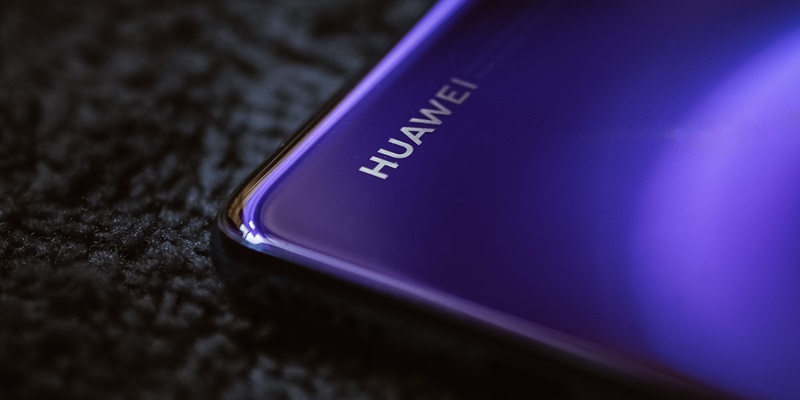
The highly anticipated Huawei Nova 12 series has officially been launched in China, showcasing the brand’s latest innovations in smartphone technology. Comprising four models – Huawei Nova 12, Huawei Nova 12 Pro, Huawei Nova 12 Ultra, and Huawei Nova 12 Lite – this series offers a range of options to cater to various consumer needs.
Overview of the Four Models
The Huawei Nova 12 series boasts sleek and stylish designs, with each model offering its own unique specifications. By providing multiple choices, Huawei ensures that users can select a smartphone that best suits their preferences and requirements.
Similar Designs with Slight Differences in Specifications
While the four models share a similar design language, they do differ slightly in terms of specifications. The focus remains on delivering an exceptional user experience and cutting-edge performance across the board.
HarmonyOS 4, Huawei’s own operating system, is the driving force behind the entire Nova 12 series. It brings seamless integration of software and hardware, enhancing performance and optimizing user interactions. Moreover, all four models feature expansive 6.7-inch displays, providing an immersive visual experience.
Battery and Charging Capabilities
The Huawei Nova 12, Huawei Nova 12 Pro, and Nova 12 Ultra are equipped with a high-capacity 4,600mAh battery. Additionally, these models support up to 100W wired fast charging, ensuring users can quickly recharge their smartphones and stay connected throughout the day.
Huawei Nova 12 Lite, Powered by Snapdragon 778G 4G SoC
Positioned as the entry-level model, the Huawei Nova 12 Lite is powered by the Snapdragon 778G 4G SoC. This SoC provides seamless performance, enabling smooth multitasking and efficient handling of demanding applications.
Impressive Camera Capabilities
Photography enthusiasts will be pleased to know that all four models in the Nova 12 series come equipped with 50-megapixel dual rear camera units. This ensures stunning photography and videography capabilities, allowing users to capture memorable moments with exceptional clarity.
Satellite Connectivity
For those seeking advanced connectivity options, the Huawei Nova 12 Pro and Huawei Nova 12 Ultra offer satellite connectivity. This feature brings enhanced network connectivity, especially in areas with weak or limited coverage, ensuring users can stay connected wherever they are.
Pricing Details for Huawei Nova 12
The Huawei Nova 12 starts at CNY 2,999 (roughly Rs. 34,000) for the base variant with 256GB of storage. This competitive pricing makes the Nova 12 an attractive option for users looking for a high-performance smartphone without breaking the bank.
Pricing Details for Huawei Nova 12 Ultra
The Huawei Nova 12 Ultra is offered in two storage variants. The 512GB storage version is priced at CNY 4,699 (roughly Rs. 54,000), while the 1TB storage variant comes with a price tag of CNY 5,499 (roughly Rs. 64,000). These prices reflect the premium experience and exceptional storage capabilities offered by the Nova 12 Ultra.
Pricing Details for Huawei Nova 12 Lite
The Huawei Nova 12 Lite offers two storage options – 256GB and 512GB. The 256GB variant is priced at CNY 2,499 (roughly Rs. 31,800), while the 512GB variant carries a price tag of CNY 2,799 (roughly Rs. 31,800). These options provide flexibility for users with varying storage requirements.
In conclusion, the Huawei Nova 12 series has raised the bar for smartphone innovation, offering a range of models with impressive specifications and features. Whether it’s the premium Nova 12 Ultra or the budget-friendly Nova 12 Lite, Huawei caters to diverse consumer preferences. With its powerful cameras, cutting-edge technology, and competitive pricing, the Huawei Nova 12 series has undoubtedly made a mark in the competitive smartphone market.