

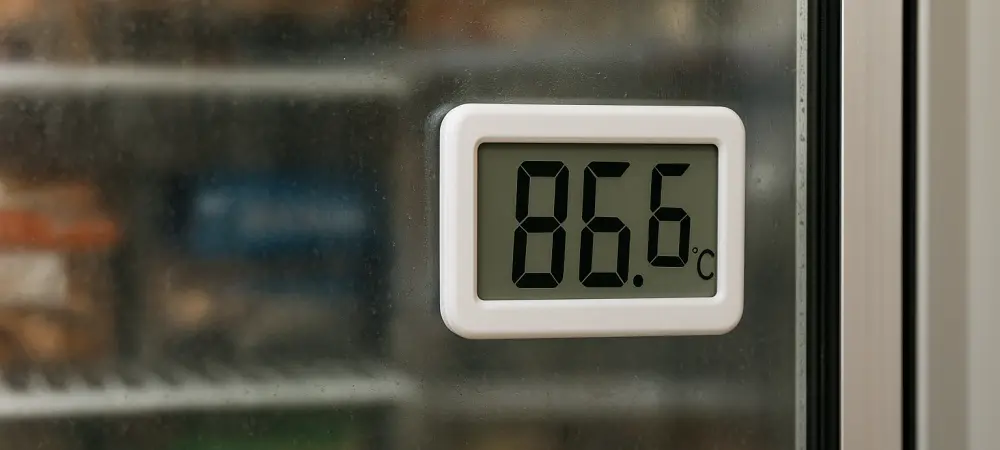
While some retailers managed to save their stock through rapid manual intervention, many others were forced to liquidate entire departments of frozen and chilled products due to the breach. The sudden manipulation of industrial cooling systems across France on the night of October 11 sent shockwaves through the retail sector, as specialized hackers successfully bypassed security layers to gain direct control over temperature settings. By accessing the core management interfaces of thousands of refrigeration units, the intruders systematically initiated defrost cycles that pushed internal temperatures to a staggering 50°C. This unprecedented digital sabotage has not only resulted in the immediate loss of millions of euros in perishable inventory but has also exposed a critical vulnerability in the widespread reliance on aging internet-connected infrastructure. As store managers arrived to find aisles of spoiled meat, dairy, and frozen goods, the scale of the coordinated disruption became alarmingly clear, marking a significant escalation in cyber threats targeting essential food supply chains.
1. The Scale of the Digital Sabotage
The primary targets of this campaign were the Danfoss AK-SM and AK-SC series controllers, which are ubiquitous in the retail industry for managing complex refrigeration networks. Leading French chains including Intermarché, Netto, and Carrefour reported that their systems were compromised simultaneously, indicating a high level of planning and coordination by the attackers. Les Mousquetaires, the parent company of Intermarché, confirmed that at least 300 of its locations were impacted, with many stores reporting that their freezers were intentionally heated to extreme levels. While Coopérative U managed to preserve the cold chain in a majority of its 80 affected outlets, the sheer breadth of the attack forced a massive logistics effort to clear out ruined stock before it could pose a health risk. This event has highlighted how a single point of failure in facility management software can translate into massive physical losses across a nationwide network of retail locations. Investigation into the breach revealed that the hackers exploited management interfaces that were exposed to the public internet, a common practice for third-party maintenance firms seeking remote troubleshooting capabilities. Danfoss clarified that a significant portion of the compromised units consisted of older hardware models that have long since passed their official support windows. These legacy devices, such as the AK-SC 355, were never designed with modern cybersecurity defenses in mind, making them relatively easy targets for motivated threat actors. The incident highlights a growing trend where attackers specifically look for overlooked industrial control systems that serve as a bridge between the digital world and physical infrastructure. By manipulating the defrost settings, the hackers caused more than just financial damage; they disrupted the operational rhythm of the French food supply, necessitating a total reassessment of how these critical assets are monitored.
2. Immediate Defense Protocols and Mitigation
In direct response to the escalating crisis, the French government’s computer emergency response team, CERT-FR, issued an urgent alert detailing the immediate steps required to stop the spread of the attack. As a division of ANSSI, the national cybersecurity agency, the group emphasized that the most effective way to protect remaining stock was to sever all internet connections to the Danfoss controllers immediately. This drastic measure was deemed necessary because many of the controllers were found to be running with default settings or lacked robust authentication protocols. Vincent Strubel, the head of ANSSI, called for retailers to either take these devices entirely offline or implement incredibly tight filtering mechanisms to prevent unauthorized inbound traffic. This guidance serves as a stark reminder that any device with the power to alter physical environments must be shielded by multiple layers of defense to prevent remote tampering by malicious third parties.
Building on the initial emergency measures, security experts are now advocating for a permanent shift away from exposing management interfaces to the open web. Where remote administration is absolutely vital for operational efficiency, organizations are urged to utilize encrypted tunnels or virtual private networks rather than relying on simple password protection. CERT-FR specifically recommended that access be limited to a handful of trusted IP addresses belonging to authorized refrigeration contractors, thereby narrowing the attack surface significantly. Furthermore, retailers have been directed to adopt hardening standards that were originally developed for the energy and water sectors, reflecting the fact that supermarket cooling systems are now considered vital infrastructure. This transition involves more than just software updates; it requires a cultural shift in how facilities management teams view the security of their connected equipment in an increasingly hostile landscape.
3. A Systematic Approach to Hardware Recovery
Recovering from a breach of this magnitude requires a meticulous and disciplined approach to ensure that no dormant malware or backdoors remain within the system. The recovery framework established by CERT-FR begins with the strict limitation of network entry points, ensuring that only certified service providers can access the hardware during the restoration phase. Once the perimeter is secured, technicians must perform a full factory reset on each controller to wipe away any malicious configurations or unauthorized user profiles that the hackers may have created. This step is crucial because it returns the hardware to a known baseline, although it does require a subsequent investment in time to restore functional settings. Following the reset, the most recent security patches and hotfixes must be applied to address the specific vulnerabilities that allowed the initial intrusion. This sequence ensures that the equipment is not only clean but also hardened against future exploitation.
The second phase of the remediation process focuses on identity and access management to prevent the attackers from simply logging back in using stolen or default credentials. Store operators are required to update all device secrets, which involves changing every administrative password and ensuring that new credentials follow modern complexity requirements. A thorough audit of all existing user profiles is also mandatory to identify any accounts that were added during the breach or those that no longer serve a valid business purpose. Once these security measures are in place, the final step involves a total reconfiguration of the device from scratch, ensuring that all operational parameters are optimized for both efficiency and security. This comprehensive overhaul is a labor-intensive process, yet it is the only way to guarantee that the refrigeration network is safe for use. By following these six rigorous steps, supermarket chains can slowly rebuild trust in their automated systems.
4. Navigating the Challenges of Legacy Hardware
A major hurdle in the recovery effort involves the diverse range of hardware versions currently in use across the French retail landscape. The AK-SM 800 and the older AK-SC 355 models have been identified as particularly vulnerable because they reached their end-of-life status years ago. Danfoss had already phased out the AK-SC 355 back in 2016 and ended software support for the AK-SM 800 in 2021, meaning no new security updates or patches will be released for these units. Consequently, any security breach on these specific devices cannot be fully remediated through software fixes alone, leaving operators with no choice but to replace the hardware entirely. This situation has created a significant financial and logistical burden for retailers who have delayed equipment upgrades in an attempt to maximize the lifespan of their initial investments. Experts now strongly advise that any remaining legacy controllers be prioritized for immediate replacement to avoid a repeat of this disruptive incident.
For stores utilizing the current AK-SM 800A model, the path forward involves rigorous firmware management rather than total hardware replacement. Owners of these newer units must ensure they have upgraded to the latest software package, such as version 5.3.x, which includes the most recent security enhancements. One of the most important features in this version is the Strict Session Control setting, which should be enabled by default to mandate the use of HTTPS for all management traffic. This encryption layer protects sensitive data from being intercepted or manipulated while in transit, providing a vital safeguard against man-in-the-middle attacks. However, updating these systems is not always a straightforward process, as controllers running very old firmware versions often require an incremental upgrade path before they can support the newest packages. Maintaining a regular update schedule is now viewed as an essential component of facility management rather than an optional maintenance task for the IT department.
5. Strengthening Transatlantic and European Cyber Resilience
As the technical recovery continues, the legal and investigative response has intensified with the Paris prosecutor’s office launching a formal inquiry into the origins of the attack. The investigation is being spearheaded by the anti-cybercrime office, known as OFAC, which is tasked with identifying the perpetrators and determining the exact methods used to compromise the supermarket networks. Beyond the immediate financial losses, investigators are also examining reports of physical equipment damage, with some store managers claiming that the extreme temperatures caused cooling components to catch fire. This level of physical destruction elevates the case from simple digital vandalism to a serious crime against public safety. The goal of the inquiry is to map the entire attack chain and provide a comprehensive report that can be used to strengthen the legal framework surrounding industrial cybersecurity. This process is expected to take months as forensic experts analyze traffic logs from hundreds of different locations.
The implications of this breach extend far beyond the French borders, prompting a coordinated response from cybersecurity agencies across the European Union. Authorities in Germany, Spain, Poland, and Belgium have also reported similar incidents or identified suspicious activity targeting their own retail cooling infrastructure, suggesting a widespread regional campaign. To combat this threat, the industry moved toward a model of collective defense where real-time indicators of compromise were shared across borders to prevent the attackers from reusing their techniques elsewhere. Moving forward, the most effective solution resided in the implementation of zero-trust architectures for all industrial control systems, ensuring that no device was ever implicitly trusted based on its network location. Retailers also began integrating their facility management systems with broader security operations centers to provide the necessary visibility for early detection. This shift toward proactive monitoring and rapid hardware modernization ultimately laid the groundwork for a more resilient and secure food supply chain across the continent.