

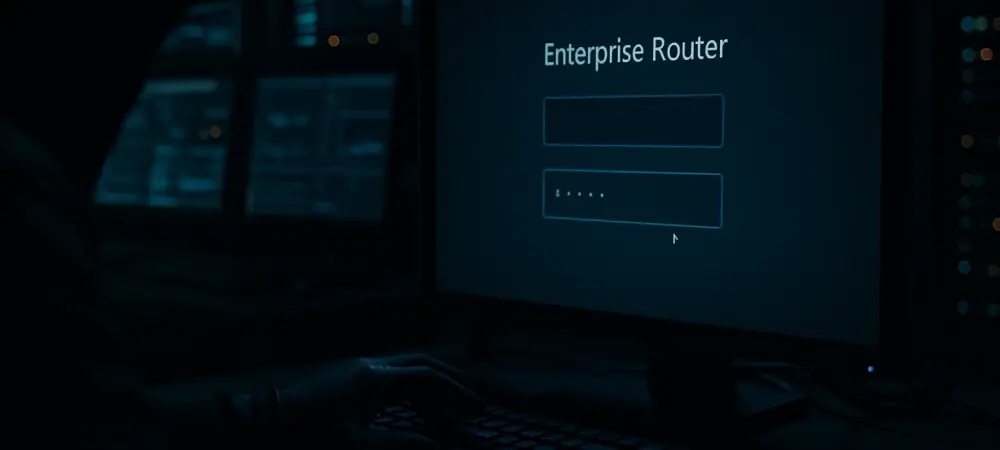
A subtle yet profound reorientation in state-sponsored cyber warfare is now underway, as adversaries increasingly trade complex software exploits for the quiet, persistent advantage gained by exploiting simple human error. This evolution marks a critical inflection point for security leaders, shifting the primary battleground from the software developer’s code to the network administrator’s console. The focus on misconfiguration represents a move toward efficiency and stealth, challenging conventional defense models that prioritize patching over policy and posture management.
The Digital Battlefield: State-Sponsored Threats to Critical Infrastructure
The global cyber threat landscape remains a volatile arena where nation-state actors conduct espionage, disruption, and sabotage with increasing audacity. Western entities, particularly those operating critical infrastructure, find themselves on the front lines of this digital conflict. These sectors—including energy, finance, and communications—are prized targets due to their foundational role in national security and economic stability. A successful attack can have cascading effects, creating widespread disruption that serves significant geopolitical objectives. Among the most formidable actors in this domain is Russia’s Main Intelligence Directorate (GRU), a persistent and highly capable threat. Operating under well-known monikers like Sandworm and APT44, GRU-linked groups have been responsible for some of the most destructive cyberattacks on record. Their campaigns are characterized by a strategic patience and a deep understanding of operational technology and enterprise networks, making their focus on critical infrastructure a continuous and severe threat to Western nations.
From Zero-Days to Human Error: A New Attack Vector Emerges
Exploiting Misconfiguration: The GRU’s Pivot to Low-Cost, High-Impact Intrusions
A significant tactical evolution in the GRU’s playbook is now clear. While campaigns from previous years often relied on exploiting specific software vulnerabilities in products from vendors like WatchGuard and Veeam, activity since the start of 2025 demonstrates a decisive pivot. The group now prioritizes compromising customer-owned network edge devices, such as enterprise routers and VPN concentrators, that have been improperly configured. This approach targets administrative lapses rather than inherent flaws in the software itself.
This strategic shift offers attackers considerable advantages. Exploiting common misconfigurations is far less resource-intensive than developing or acquiring zero-day exploits. It also lowers the operational risk for the GRU, as the initial access vector is rooted in the victim’s own error, making attribution more complex and providing the attackers with a degree of plausible deniability. The result is a low-cost, high-impact intrusion method that is easily scalable across numerous targets.
Anatomy of an Attack: Campaign Timelines and Target Profiles
The targets of this latest campaign remain consistent with the GRU’s long-standing objectives, focusing primarily on energy sector organizations and other critical infrastructure providers across North America and Europe. The attackers methodically scan for and identify edge devices with weak or default credentials, open management ports, or other security misconfigurations that provide a direct path into the network perimeter.
Once initial access is achieved, the operators move swiftly to solidify their foothold. Their post-compromise methodology involves harvesting credentials stored on the compromised infrastructure. These credentials are then used in systematic replay attacks against the organization’s other online services, enabling lateral movement and deeper penetration into the target environment. This technique allows them to bypass other security controls and escalate privileges with minimal noise.
The Defender’s DilemmConfronting Configuration Drift and Human Error
The GRU’s pivot presents a formidable challenge for network defenders. Unlike a software vulnerability, which can be remediated with a patch, a misconfiguration is a procedural failure that is often more difficult to detect and correct. Securing the network edge involves managing a diverse ecosystem of appliances, each with its own complex configuration settings, creating ample opportunity for human error or oversight during deployment and maintenance. This problem is compounded by the phenomenon of “configuration drift,” where securely configured devices gradually become vulnerable over time due to ad-hoc changes made to address operational issues. Without strong governance and continuous monitoring, these small, incremental adjustments can erode an organization’s security posture, creating the very weaknesses that these GRU campaigns are designed to exploit. The responsibility for preventing such lapses falls squarely on the device owner, not the manufacturer or cloud provider.
Compliance and Culpability: The Shifting Responsibility for Edge Security
This evolving threat landscape brings the issue of accountability into sharp focus. While regulatory frameworks and compliance standards provide a baseline for security, they may not adequately address the dynamic nature of configuration management. Audits often provide a point-in-time snapshot, but they can miss the subtle drift that introduces critical vulnerabilities between assessments, leaving organizations exposed despite being technically compliant.
Furthermore, the emphasis on customer responsibility for securing their own devices is becoming a central tenet of the shared security model in the cloud era. Reports underscoring that these intrusions stem from customer-side misconfigurations, not flaws within cloud infrastructure, reinforce this division of liability. This reality forces a recalibration of industry security standards, compelling organizations to invest more heavily in the tools and expertise needed to manage their own attack surface effectively.
The Road Ahead: Anticipating the Next Wave of GRU Operations
This tactical shift is not an isolated event but rather a strong indicator of the future direction of state-sponsored cyber campaigns. Adversaries will likely continue to favor attack vectors that are efficient, difficult to attribute, and exploit systemic weaknesses in security management rather than relying solely on high-cost, perishable exploits. This approach maximizes their operational longevity and impact while minimizing their investment and risk.
Intelligence also reveals a sophisticated, multi-cluster operational structure within the GRU, linking the activities of Sandworm with other specialized sub-groups like ‘Curly COMrades’. This division of labor, where one team focuses on gaining initial access via network devices and another handles host-based persistence and evasion, signals a high degree of maturity. This modular approach allows the GRU to orchestrate more complex, multi-stage attacks that are resilient and adaptive, posing a greater challenge to defenders.
Fortifying the Front Lines: Key Takeaways and Defensive Imperatives
The primary finding for security leaders is that a major state-sponsored adversary has operationalized the exploitation of common misconfigurations as a primary intrusion vector. This is not an emerging threat but an active and successful campaign that capitalizes on fundamental gaps in security hygiene. Defending against this requires a renewed focus on the foundational elements of network security and a recognition that the perimeter is only as strong as its configuration.
To counter this evolving threat, organizations must implement robust configuration management and hardening programs for all edge devices. This includes enforcing strong credential policies, eliminating default settings, and closing unnecessary ports. Regular, automated security audits and posture assessments are essential to detect and remediate configuration drift before it can be exploited. Finally, enhancing the monitoring of network traffic and device logs for signs of anomalous access or lateral movement provides the critical visibility needed to identify and respond to these stealthy intrusions.