

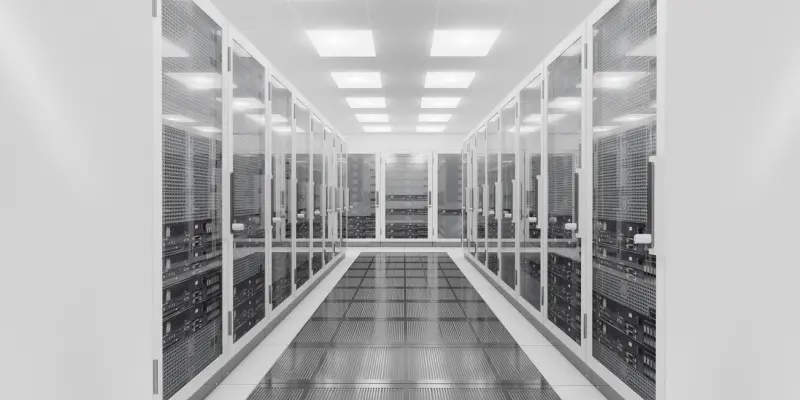
GreenScale has made a notable advancement in the data center realm with its acquisition of Tonstad DataPark. Situated in Sirdal, West Agder County in southern Norway, this project covers an expansive area of 420,000 square meters. The development aims to achieve a planned capacity of 300 MW, with foundational approvals already secured from Glitre Nett and Statnett. With an investment surpassing €2.5 billion, GreenScale plans to transform this space into a four-building campus by 2027. This facility will not only cater to hyperscale and AI applications but also underscore the potential of harnessing renewable energy sources in data center operations. Dan Thomas, CEO of GreenScale, emphasized the strategic significance of the location, highlighting its energy stability and abundance of renewable resources, which are crucial for sustainable economic development and addressing customer requirements.
Strategic Vision and European Expansion
Launched by Digital Transformation Capital Partners (DTCP) with a broader vision, GreenScale is part of an ambitious endeavor to establish 1 GW of capacity across Europe. This recent acquisition sits at the heart of DTCP’s mission to solidify its footprint in the European digital infrastructure arena and bolster its presence in the Nordics. The project is in synergy with other ongoing initiatives in this region, including efforts in Ireland. The collaborative journey to secure this partnership with GreenScale has been a five-year endeavor. Tore Knapskog, CEO of Tonstad DataPark, remarked on the team’s dedication and effort to realize this strategic alliance. DTCP, which evolved from Deutsche Telekom, is simultaneously advancing an initiative called Project Xcalibur, aiming for further expansions in its network of data centers, reflecting a significant stride toward sustainable and environmentally conscious infrastructure development in Europe.
Commitment to Sustainable Growth
GreenScale’s latest endeavor highlights a growing trend in sustainable infrastructure, showcasing an industry-wide push to balance workload needs with environmental concerns. The data center, championing renewable energy, exemplifies a shift toward eco-friendly solutions in tech. Incorporating renewable energy isn’t just beneficial; it’s essential for advancing digital infrastructure, especially as high-density workloads expand. This effort not only meets current technological requirements but also sets a pathway for future growth that honors ecological principles. GreenScale’s dedication to sustainability positions its projects as industry leaders, illustrating the practicality and importance of eco-friendly practices in tech.
Furthermore, GreenScale’s renewable energy initiatives put the company at the forefront of sustainable digital transformation, driven by strategic investments and partnerships. These steps promise a future where environmental responsibilities align with technological progress, emphasizing the indispensable role of renewable resources in shaping tomorrow’s digital world.