

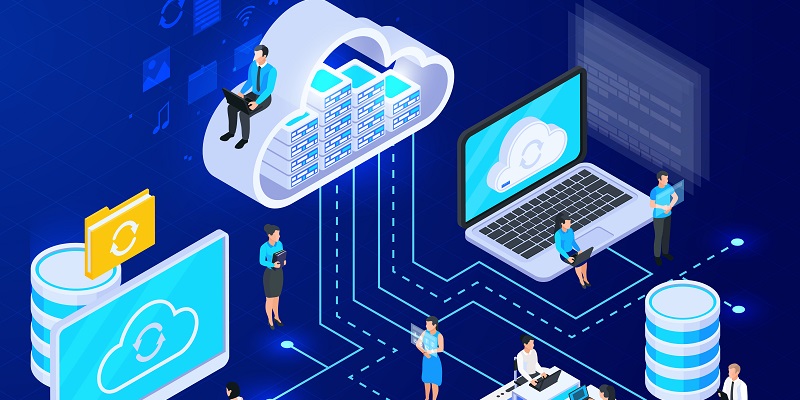
Government cloud technology is revolutionizing the way public services are delivered and transforming the operations of governments worldwide. The adoption of GovCloud has become pivotal in improving efficiency, reducing costs, and enhancing service delivery. Through its secure, reliable, and scalable environment, GovCloud offers numerous benefits that streamline government operations and enable the seamless delivery of public services.
Benefits of GovCloud
GovCloud provides governments with a secure infrastructure that safeguards sensitive data from potential cyber threats. With advanced encryption and multi-factor authentication systems in place, GovCloud offers robust security features. This ensures that crucial government data remains protected and inaccessible to unauthorized individuals. Additionally, GovCloud’s scalability allows for seamless expansion as the government’s needs grow, ensuring uninterrupted service delivery.
Streamlining operations, reducing costs, and improving service delivery
One of the significant advantages of GovCloud is its ability to streamline government operations. By automating complex and time-consuming processes, GovCloud reduces the manual workload, freeing up staff to focus on more strategic tasks. This automation not only increases efficiency but also reduces the chances of human errors. Moreover, GovCloud’s centralized data management system simplifies data storage and retrieval, making information easily accessible to all government agencies. As a result, service delivery is improved, and citizens benefit from faster and more efficient government services.
Automation of complex processes
With GovCloud, governments can automate their complex processes, thereby reducing the amount of manual labor involved. This enables government agencies to expedite their operations and enhance productivity. For instance, tasks like invoice processing, payroll management, and document verification can be automated, saving time and resources.
Real-time data sharing and collaboration
Cloud computing allows for immediate data sharing and collaboration among government agencies, facilitating more effective decision-making. With GovCloud, officials from different departments can access and collaborate on shared information in real-time. This promotes interagency cooperation and allows for better coordination and communication in delivering public services. As a result, governments can make better-informed decisions, leading to improved outcomes for citizens.
Security features of GovCloud
GovCloud integrates advanced encryption methods to protect sensitive government data from cyber threats. By encrypting data both at rest and in transit, GovCloud ensures that even if intercepted, the information remains unreadable and unusable for unauthorized individuals. Moreover, multi-factor authentication adds an extra layer of security by requiring users to provide multiple credentials before accessing the platform, further securing government data from unauthorized access.
Dedicated security teams for continuous monitoring
Cloud service providers managing GovCloud typically have dedicated security teams that monitor the system around the clock. These teams identify and respond to any potential threats or breaches promptly. With continuous monitoring and proactive security measures, GovCloud offers an additional layer of protection for crucial government data. As a result, governments can have peace of mind knowing that their sensitive information is under constant surveillance.
Improved accessibility and user-friendly services
One of the primary advantages of GovCloud is its ability to provide accessible and user-friendly government services to citizens. Accessing government services online, at any time and from any location, increases convenience for citizens. Whether it’s renewing driver’s licenses, paying taxes, or accessing healthcare services, GovCloud allows citizens to interact with their government effortlessly, saving time and reducing bureaucratic hurdles.
Promoting transparency and accountability
By offering government services through the cloud, GovCloud promotes transparency and accountability in government operations. Citizens can easily access information about government programs, budgets, and outcomes, enabling them to hold their elected officials accountable. Through increased transparency, citizens can actively participate in government decisions, fostering a more democratic society.
Innovation opportunities with GovCloud
The adoption of GovCloud paves the way for governments to experiment with innovative public services. With its robust infrastructure, GovCloud supports the integration of emerging technologies like artificial intelligence (AI) and machine learning (ML). Governments can explore the potential of AI and ML to enhance service delivery, automate processes, and improve decision-making. From predictive analytics to chatbots, GovCloud offers a fertile ground for government agencies to innovate and adapt to the changing needs of society.
Overcoming Challenges in Transitioning to GovCloud
Transitioning to GovCloud requires careful planning and the right strategies. Government agencies must consider factors such as data security, compliance regulations, and staff training. By partnering with experienced cloud service providers, governments can receive expertise and guidance throughout the transition process. With a well-executed plan and the proper support, the challenges of transitioning to GovCloud can be overcome, leading to efficient, secure, and innovative government operations.
Government cloud technology, represented by GovCloud, has become instrumental in transforming public services and revolutionizing government operations. The benefits of GovCloud, such as its secure infrastructure, streamlined operations, and improved service delivery, are paving the way for more efficient, accessible, and innovative government services. By embracing GovCloud, governments can adapt to the digital age, prioritize citizen needs, and deliver public services effectively and transparently. Through careful planning and the right strategies, the challenges of transitioning to GovCloud can be overcome, leading to a brighter future for government operations.